
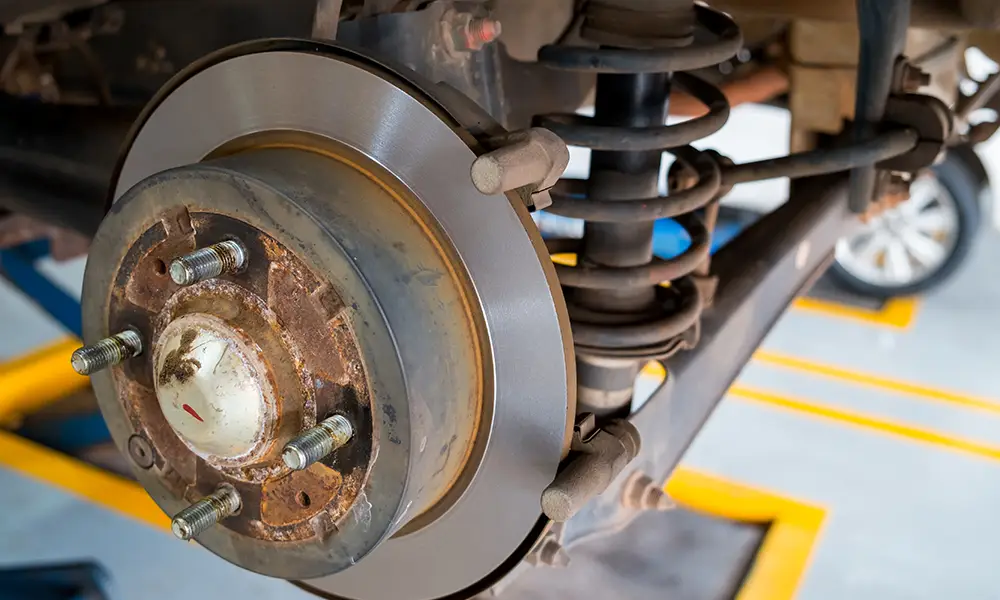
A car that keeps bouncing after every bump, dip or speed hump has lost the firm, planted feel it should have, and it is doing more than spoiling comfort.
This guide explains what makes a car bounce on bumps, the suspension parts involved beyond just the shocks, and how the problem is repaired so the ride feels controlled again.
Here is what we will cover:
- Why your car bounces on bumps
- The suspension parts that cause it
- How worn parts affect safety
- How the problem is diagnosed and repaired
- Whether it is safe to keep driving
Why Does My Car Bounce on Bumps?
A car bounces on bumps when the suspension can no longer control the wheel’s movement, most often due to worn shock absorbers, but also tired springs, perished bushes, or worn mounts that let the body move too freely.
It helps to think of the suspension as a team. The springs carry the weight of the car and soak up the initial hit, while the shock absorbers damp the spring so it settles quickly instead of carrying on. When any part of that team is worn, the wheel keeps moving after the bump and you feel the car float, wallow or keep bouncing.
The full list of causes is wider than most people expect, so it is worth reading through the warning signs of worn shocks before assuming the shocks alone are to blame, because the fix may involve more than one part.
Is It Always the Shocks?
Usually the shocks are the main culprit, but springs, bushes and mounts all contribute. A sagging spring changes ride height and comfort, a perished bush lets a joint move where it should be firm, and a failed mount lets the top of the strut knock. Any of these on their own can unsettle the ride, and worn shocks often hide alongside them.
What Do Bushes and Mounts Do?
Bushes and mounts locate and cushion the suspension parts. Bushes sit at pivot points and stop metal knocking on metal, while mounts secure the top of the shock or strut to the body. When they perish, you get clunks, vagueness and knocks that add to the bouncing.
| Part | Role | Symptom when worn |
|---|---|---|
| Shock absorbers | Damp movement | Continued bouncing |
| Springs | Carry weight | Sagging, harshness |
| Bushes | Locate/cushion | Clunks, vagueness |
| Mounts | Secure shock/strut | Knocks over bumps |
If your car bounces after bump strikes and you also notice the tyres wearing unevenly, it is worth pairing the suspension check with a tyre and alignment service, since worn suspension and poor alignment often go hand in hand and chew through tyres faster.
How Is a Bouncy Suspension Diagnosed?
A bouncy suspension is diagnosed by inspecting the shocks for leaks, doing a bounce test, and checking the springs, bushes and mounts on a hoist, so the worn part is confirmed before anything is replaced.
The bounce test is the simple starting point. Press down hard on one corner of the car and let go. A healthy corner settles in one rebound, while a worn one keeps moving. From there the car goes on the hoist so the parts can be inspected properly, because a quick push in the driveway only tells part of the story.
What Does the Hoist Check Show?
On the hoist a mechanic looks for play in the joints, oil leaking down the body of the shock, and perished or cracked rubber in the bushes and mounts. The hoist also makes other noises easier to trace, such as wheel bearing failure signs that can be mistaken for suspension wear, so the real fault is not confused with something else.
Why Not Just Replace Shocks?
Replacing shocks without checking the rest is guesswork. If a control arm bush or a sagging spring is the real problem, new shocks will not fix the bounce and you have paid for the wrong repair. Confirming the actual worn part first is what keeps a suspension repair honest and cost-effective.
Is It Safe to Keep Driving a Bouncy Car?
It is not ideal to keep driving a bouncy car because reduced suspension control lengthens stopping distances and reduces grip on rough roads, and worn parts tend to worsen, so a check is worthwhile soon.
This is not usually a park-it-immediately situation, but it is a real safety point rather than only a comfort one. When the wheel keeps moving over bumps, the tyre spends less time firmly on the road, which affects both braking and steering exactly when you need them most. If you are unsure how far gone it is, our Brisbane mechanics can assess the suspension and give you a straight answer on how urgent it is.
Does It Affect Braking?
Yes. On a bumpy or patched road, a bouncing wheel lifts and drops, so there is less tyre contact at the moment you brake. That means longer stopping distances than a well-damped car, and less predictable behaviour if you have to stop hard, which is why ride comfort and safety are linked here.
Will It Get Worse?
Worn suspension parts deteriorate further with every kilometre. A leaking shock does not reseal, a sagging spring does not recover, and a perished bush keeps breaking down. Left alone, a small bounce becomes clunks, uneven tyre wear and a repair that grows in scope and cost.
How Is the Bounce Repaired?
A bouncy ride is repaired by replacing the worn component, whether that is shocks or struts in pairs, sagging springs, or perished bushes and mounts, followed by a road test and, where needed, a wheel alignment.
The repair is guided by whatever the inspection confirmed, so no two jobs are identical. If the shocks are the issue, they come out and fresh units go in. If a spring has sagged or a bush has perished, those are replaced instead, and often the damping and ride comfort improve noticeably straight away. Once the parts are in, the car is road tested to confirm the bounce is gone. If you want the work handled properly, you can book a suspension check in Brisbane and have the right part replaced rather than guessed.
Are Parts Replaced in Pairs?
Shocks and springs are usually replaced in pairs across an axle for balance. Fitting one new shock next to a tired one gives uneven damping side to side, so the car pulls or feels lopsided over bumps. Doing both keeps the ride even and predictable.
Is an Alignment Needed?
An alignment is needed if struts or springs were disturbed, since removing them can shift the suspension geometry. Knowing when shocks need replacing and pairing that work with a wheel alignment protects your tyres and keeps the steering straight after the repair.
Conclusion
A bouncy ride is the suspension losing control of the wheels, and it is rarely just one part. Worn shock absorbers are the usual cause, but tired springs, perished bushes and failed mounts all play a role, which is why a proper diagnosis matters before anything is replaced. Fixing the right worn part restores both comfort and safety, and doing it early keeps a simple repair from turning into a bigger one. For a suspension check and honest advice on what actually needs doing, speak with Car One Automotive.
Frequently Asked Questions
Why Does My Car Bounce on Bumps?
Because the suspension can no longer control the movement of the wheel, usually from worn shock absorbers, but also tired springs, perished bushes or worn mounts. When any of these wears, the wheel keeps moving after a bump and you feel the car float or keep bouncing.
Is It Safe to Drive a Bouncy Car?
Not ideal. Reduced suspension control lengthens your stopping distances and reduces grip on rough roads, especially in an emergency, and the worn parts only tend to worsen over time. It is best to have it checked soon rather than letting the problem develop further.
How Is a Bouncy Suspension Diagnosed?
By inspecting the shocks for leaks, doing a bounce test on each corner, and checking the springs, bushes and mounts on a hoist. Working through the whole suspension this way confirms exactly which worn part is causing the bounce before anything is replaced, so you fix the right thing.
Can Worn Bushes Cause Bouncing?
Worn bushes tend to cause clunks and vagueness more than outright bouncing, but they still let joints move where they should be firm. Combined with tired shocks, they add to an unsettled ride, which is why a full suspension check looks at the bushes as well.
What Does a Bouncy Suspension Repair Involve?
Replacing the worn component, often shocks or springs in pairs for balance, then carrying out a road test and, where the geometry was disturbed, a wheel alignment. The exact work depends on which parts the inspection found worn, so the ride is properly restored, not just patched.