
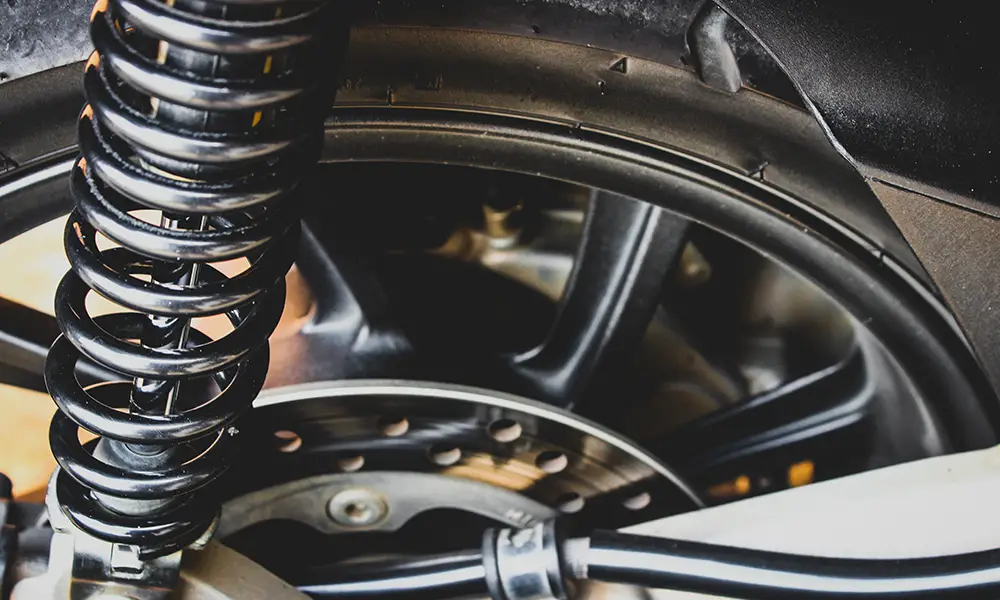
Shock absorbers do not usually fail overnight: they fade over tens of thousands of kilometres until one day the ride feels nothing like it used to. Knowing when your shock absorbers need replacement is less about a single dramatic failure and more about reading the signs and the mileage.
This guide focuses on the decision, how long shocks last, the clear signs they need replacement, and what the job involves, so you can judge whether yours are due.
Here is what we will cover:
- How long shock absorbers last
- The clear signs they need replacement
- What happens if you leave them
- What replacement involves
- Whether to do struts at the same time
How Long Do Shock Absorbers Last?
Shock absorbers typically last around 80,000 to 120,000 kilometres, though rough roads, heavy loads and age can shorten that, so high-kilometre cars are the most likely to need replacement even without an obvious fault.
There is no warning light for tired shocks, which is why mileage is such a useful guide. A set that has quietly covered over 100,000 kilometres has done a lot of work, and the fade is so gradual that many owners do not notice how soft the ride has become until fresh units go in. If you are past that mark, it is worth having our Brisbane mechanics check the shocks even if nothing feels obviously wrong yet.
Does Driving Style Affect Lifespan?
Yes. Loads, rough roads and towing all shorten shock life. Regular trips on unsealed or patched roads work the shocks harder than smooth highway kilometres, and carrying heavy loads or towing a trailer raises the stress on every bump. Two cars with the same mileage can be in very different condition because of how and where they are driven.
Can Shocks Wear Without a Fault?
They can. Shocks wear gradually with mileage rather than breaking suddenly, so the damping quietly weakens over time. There may be no leak and no noise, just a ride that has slowly become floaty. That steady fade is normal wear, and it is why lifespan matters as much as symptoms.
| Use | Typical lifespan | Note |
|---|---|---|
| Normal sealed roads | 80,000 to 120,000 km | Gradual fade |
| Rough/unsealed roads | Shorter | Faster wear |
| Heavy loads / towing | Shorter | Higher stress |
What are the Clear Signs Shocks Need Replacement?
The clear signs shock absorbers need replacement are visible fluid leaking down the shock body, a failed bounce test, deteriorating ride and handling, and uneven tyre wear, especially on a high-kilometre car.
Treat these as a simple checklist rather than a mystery. A leaking shock is the most definitive of them, because once the fluid is gone the damping goes with it. If you want to see the full symptom picture laid out, the warning signs of worn shocks cover the bounce test and the feel of a car that has lost its damping in more detail.
A soft, wallowing ride and a car that keeps moving after a bump point the same way, and if you have also noticed the front end floating over dips, it is worth reading why a car bounces on bumps to understand how the whole suspension contributes.
Is a Leaking Shock Always Done?
Yes. A leaking shock has lost the fluid it needs to damp movement, so it can no longer do its job properly. Once you can see oil running down the body of the shock, replacement is not really optional, because the damping is already compromised.
How Does It Affect Tyres?
Worn shocks let the tyre bounce instead of staying planted, which scuffs the tread unevenly and shortens tyre life. If the tread is already cupped or feathered, pairing the shock work with a tyre and alignment service protects your new tyres and keeps the wear even.
What Happens if You Don’t Replace Worn Shocks?
If you do not replace worn shocks, stopping distances grow, tyres wear unevenly and need replacing sooner, and handling becomes unpredictable on bumps, which is both a safety and a long-term cost issue.
It is easy to live with soft shocks because the decline is so gradual, but the trade-offs are real. Ride quality suffers first, then handling, and eventually the extra tyre wear starts costing money on top of the safety concern. Delaying rarely saves anything once the tyres are involved.
Is It Unsafe to Keep Driving?
It becomes increasingly unsafe as the shocks worsen. Longer stopping distances and less predictable handling on bumpy roads are exactly the wrong things to have when you need to react quickly, so worn shocks are best replaced once they are clearly due rather than nursed along.
Does It Cost More Later?
Often, yes. Premature tyre wear is the hidden cost of leaving worn shocks, and a set of tyres worn out early can cost more than the shocks would have. Replacing shocks when due protects the tyres and avoids paying twice.
What Does Shock Absorber Replacement Involve?
Shock absorber replacement involves removing the old units, fitting new shocks or struts to specification, and usually replacing them in pairs, after which a wheel alignment is recommended if struts were disturbed.
The job itself is straightforward for an experienced mechanic, but doing it properly matters. Shocks are replaced in pairs across an axle so the damping is even side to side, and the correct units are fitted to suit the car rather than a generic fit. If you would like the work done and checked in one visit, you can book a suspension check in Brisbane and have the right parts fitted to specification.
Are Shocks and Struts the Same Job?
Not quite. A strut is a structural unit that houses the shock and forms part of the suspension, so replacing struts is more involved and affects wheel alignment. Plain shocks are a simpler swap. Because struts tie into the steering geometry, related issues such as hard steering causes and fixes are worth understanding if your car is a strut design.
Do I Need an Alignment After?
A wheel alignment is recommended if struts were replaced, because removing and refitting them can shift the suspension geometry. For plain shock swaps an alignment is not always needed, but on strut cars it protects the tyres and keeps the steering true.
Conclusion
Shocks are a genuine wear item with a real lifespan, usually 80,000 to 120,000 kilometres, and the clear signs they are due are a leak, a failed bounce test, a declining ride and uneven tyre wear. Replacing them when they reach that point restores safety, tyre life and ride quality in one go, so it is a practical decision rather than a grudge purchase. If your car is high in kilometres or the ride has quietly gone soft, have the shocks assessed by Car One Automotive.
Frequently Asked Questions
How Long Do Shock Absorbers Last?
Typically 80,000 to 120,000 km, though rough or unsealed roads, heavy loads, towing and age all shorten that. There is no fixed figure, so high-kilometre cars are the most likely to need them, and a check is the only way to know for sure.
What Are the Clear Signs Shocks Need Replacing?
Visible fluid leaking down the body of the shock, a failed bounce test, a ride and handling that have clearly deteriorated, and uneven or cupped tyre wear. On a high-kilometre car, several of these together are a strong sign the shocks are due for replacement.
Is It Safe to Keep Driving on Worn Shocks?
It becomes increasingly unsafe as they worsen, with longer stopping distances and unpredictable handling over bumps and in corners. Worn shocks also wear your tyres unevenly, so once they are clearly due, replacing them is the sensible choice for both safety and cost.
Do Shocks and Struts Mean the Same Thing?
Not quite. A shock absorber damps the suspension movement, while a strut is a structural unit that includes the shock and also helps locate the wheel and affects alignment. That makes replacing struts a more involved job than fitting shocks alone, and it often needs a wheel alignment after.
Do I Need a Wheel Alignment After Replacing Shocks?
If struts were replaced, a wheel alignment is recommended, because the suspension geometry can be disturbed while the strut is removed and refitted. Replacing shocks alone usually does not affect alignment, but having it checked afterwards is cheap insurance against uneven tyre wear.