
Coolant Leak Repair in Brisbane
Car One Automotive find the source fast with a pressure test and repair it properly before overheating turns into engine damage.
Professional Coolant Leak Detection and Repair for All Vehicle Makes
- Car One repairs coolant leaks on all makes and models across Brisbane. We start by finding the exact source of the leak instead of guessing. The cost depends on which part has failed, and we always provide a written quote after a pressure test. Never keep driving an overheating engine. A small hose leak can quickly turn into an expensive engine rebuild, so it pays to act early.
Get a quote today
New Quote Form
"*" indicates required fields
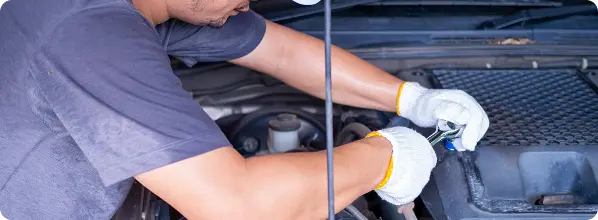
Coolant Leak Experts in Brisbane
Welcome to Car One Automotive, Brisbane’s trusted team for everything to do with engine cooling systems. A coolant leak left unchecked can cause serious damage to your car, so we find the problem early and fix it properly. Our mechanics deliver top-quality repairs that protect your car’s performance and keep you safely on the road.
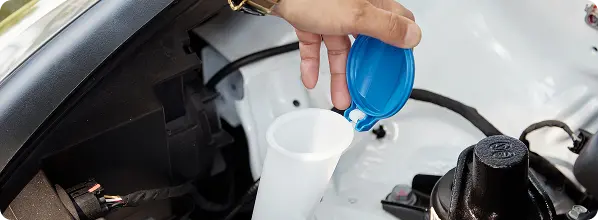
Understanding Coolant Leaks
A coolant leak is more than a minor inconvenience. It’s a clear sign something is wrong in your cooling system. Left alone, a leak can cause overheating, which can seriously damage your engine, hoses and air conditioning system. The sooner it’s checked, the less it costs to fix.
What Causes a Coolant Leak?
A coolant leak usually comes from a failed radiator, a perished hose, a leaking water pump, or a worn head gasket, and the green, orange or pink puddle under your car is the first clue.
The cooling system operates under constant heat and pressure, so components naturally wear over time. Common causes of coolant leaks include split hoses, cracked radiators, worn water pumps, and failing head gaskets. Because the source can vary, proper coolant leak repair starts with an accurate diagnosis. If you’re not sure what you’re looking at, our Brisbane mechanics will pinpoint it for you.
Radiators
Corrosion or cracked plastic end tanks are a common source of leaks.
Hoses & Clamps
Rubber hoses harden and split; clamps loosen and weep over time.
Water pumps
A worn pump seal drips coolant, often with a whine or a wobble.
Head gaskets
Internal leaks show as coolant loss with no puddle, we test for it.
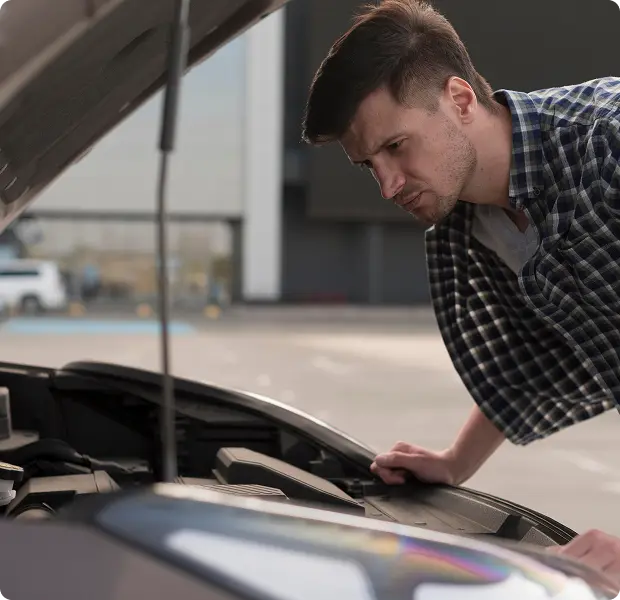
Common Cooling-System Repairs We Handle
A proper car cooling system repair fixes the part that’s actually failed. Here’s what we most often replace to stop a leak and keep your engine at the right temperature.

Radiator repair & replacement
From a quick rad leak repair to a full radiator replacement when corrosion has set in.

Hose & clamp replacement
Split or perished hoses and tired clamps replaced with parts to specification.

Water pump replacement
A leaking or noisy water pump replaced before it leaves you stranded.
Thermostat replacement
A stuck thermostat causes overheating or poor warm-up; we test and replace it.
How much does coolant leak repair really cost?
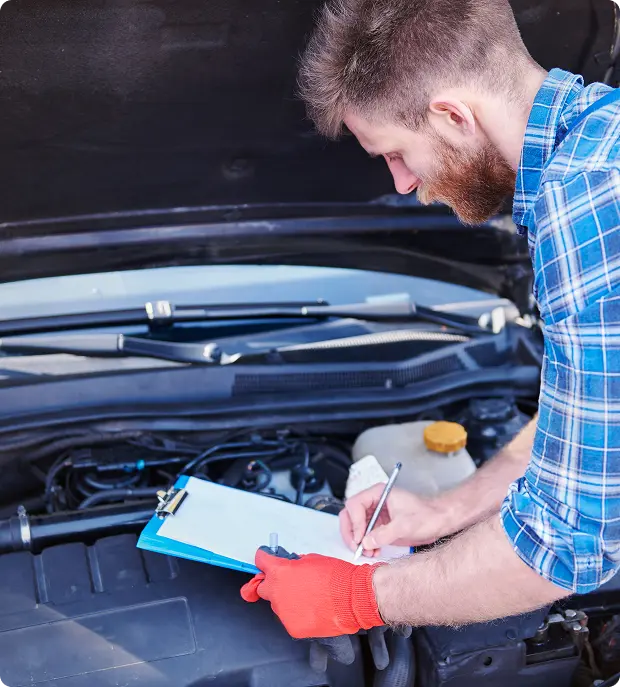
Coolant leak repair cost in Brisbane depends on the source, from an inexpensive hose or clamp through to a radiator or water pump, with a head gasket being the most involved, and we quote in writing after a pressure test.
There’s no fixed cost for coolant leak repair because the source of the leak can vary. Simple repairs such as a leaking hose or clamp may start from around $150–$300, while radiator and water pump repairs typically cost more due to parts and labour. Head gasket repairs are the most expensive because they involve significant engine work.
Likely source | Relative cost |
|---|---|
Hose or clamp | $120 – $300 |
Radiator | $350 – $900 |
Water pump | $450 – $1,100 |
Head gasket | $1,800 – $4,500+ |
Is It Safe to Keep Driving With a Coolant Leak?
No, driving with a coolant leak risks overheating that can warp the head or destroy the engine, so it is safer to stop and have the cooling system checked before the damage escalates.
We’ll always give you the honest answer here, because it matters: an engine that overheats even once can suffer damage that costs many times more than the original leak. If your temperature gauge is climbing, the safest move is to pull over, switch off and let it cool rather than nursing it home. The good news is that, caught early, most leaks are a straightforward car radiator repair or hose replacement. Have it looked at promptly, ideally alongside general car servicing so the whole car is checked and you’ll usually avoid the big bills entirely.
Warning Signs of a Coolant Leak

A puddle or sweet smell
Green, orange or pink fluid under the front of the car, or a sweet, syrupy smell after a drive.

A rising temperature gauge
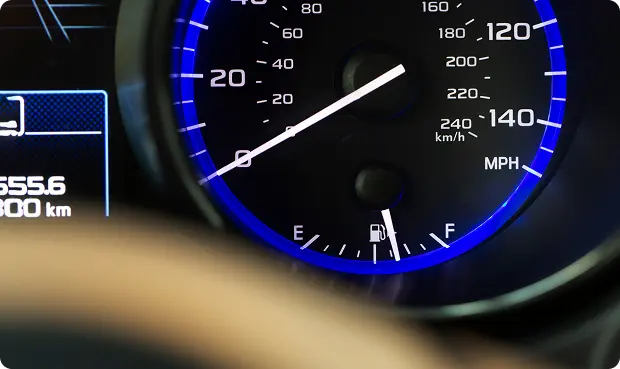
A gauge creeping towards the red, or a coolant warning light, means stop and check.

Heater blowing cold or steam
A heater that suddenly blows cold, or steam from under the bonnet, points to low coolant.
How do you find the leak?
We pressure-test the cooling system to pinpoint exactly where it’s losing coolant, then quote the repair so you’re not paying to replace parts that aren’t the problem.
Guesswork is expensive, so we don’t do it. We pressurise the cooling system and watch where it drops, use UV dye and a careful inspection to trace weeping seals and hairline cracks, and check for the tell-tale signs of an internal head gasket leak. Only then do we quote, which means a cooling system car repair that replaces the actual fault rather than a list of ‘might-be’ parts. If a dashboard warning light is part of the picture, we can also diagnose a warning light at the same time so nothing is missed.
Our Cooling-System Repair Process
Finding and fixing a leak the right way is a methodical job. Here’s how we approach every cooling-system repair.
Pressure test
We pressurise the system to reveal exactly where coolant is escaping.
Inspect and confirm
UV dye and a hands-on check trace seeping seals, hoses and cracks.
Quote in writing
You get a clear, written quote for the real fault before any work starts.
Repair the source.
We replace the failed part with quality components to specification.
Refill and bleed
The system is refilled with the correct coolant and bled of air pockets.
Re-test and road test
We pressure-test again and road-test to confirm the leak is gone.

Why a Professional Coolant Leak Repair Pays Off
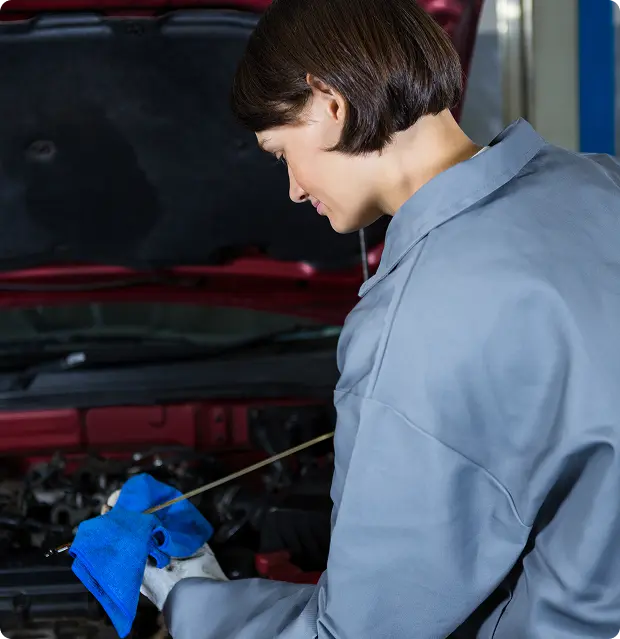
Do it once, do it right. A professional repair finds the true cause of the leak instead of treating the symptom, and it uses quality parts built to handle serious engine heat. That means no repeat visits, no surprise breakdowns and no throwing good money after bad. One proper fix saves you far more than a quick patch ever will.

Coolant Leak Repair Across Brisbane
Temperature gauge climbing? Don’t wait for it to get worse. Our two Brisbane workshops, Hendra on the north side and Woolloongabba just south of the river, are ready to run cooling system checks and repair coolant leaks. We hold slots open for urgent overheating jobs wherever we can. Closer to the inner north? We also cover coolant leak repair in Hamilton.
Hendra Workshop
Woolloongabba Workshop
Frequently asked questions
What colour is coolant?
Coolant is usually green, orange, pink or blue, and it has a distinctive sweet smell. A brightly coloured puddle under the front of the car, often near the radiator, is a common early sign of a coolant leak worth checking.
Can I just top up the coolant?
Topping up is only a short-term measure. If the system is leaking, the level will simply drop again, and running low risks overheating. It's better to have the leak found and fixed properly so the problem doesn't come back.
How urgent is a coolant leak?
Urgent. A leak can lead to overheating, and overheating can cause expensive engine damage in minutes. If your temperature gauge climbs towards the red, stop driving, let the engine cool, and have the cooling system checked promptly.
How do you find a coolant leak?
We pressure-test the cooling system to reveal exactly where it's losing coolant, then back it up with UV dye and inspection. Finding the precise source first means you only pay to replace the part that's actually leaking.
Could it be the head gasket?
Possibly. Tell-tale signs include white exhaust smoke, milky oil on the dipstick, or coolant disappearing with no visible puddle. We test specifically for internal leaks, so our diagnosis will confirm whether the head gasket is the cause.