
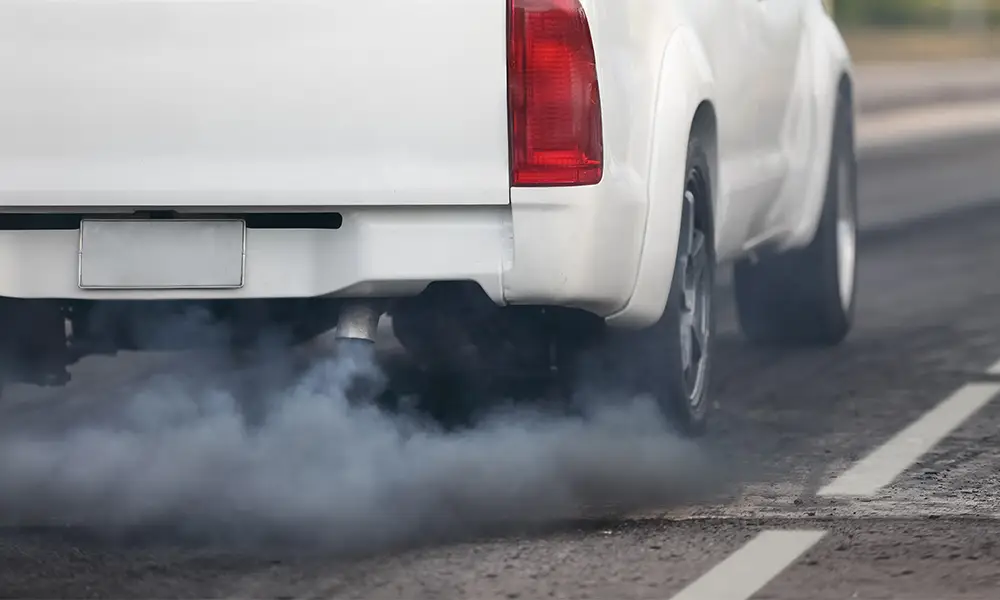
Seeing white smoke from exhaust can be unsettling, especially when it appears unexpectedly. It raises immediate concerns about engine damage or costly repairs.
In some cases, the issue is harmless and temporary. In others, it can point to underlying mechanical problems that require prompt attention. Knowing how to identify the difference can save you money, prevent breakdowns, and protect your vehicle’s long-term health.
What White Smoke from the Exhaust Really Means
White smoke from exhaust is usually caused by moisture or liquid being released as vapour during the combustion process. The colour alone does not always indicate severity, but its behaviour does.
Thin, light white smoke that disappears quickly is often normal. Thick, dense smoke that lingers or increases while driving is more concerning. The key factors to observe are how long it lasts, how heavy it looks, and whether it has a noticeable smell.
Mechanics rely on these clues to determine whether the smoke is part of normal engine operation or a sign of mechanical failure.
When White Smoke is Completely Normal
White smoke is often harmless when it appears briefly during cold starts. Overnight moisture can build up inside the exhaust system, especially in cooler weather. When the engine warms up, this moisture evaporates and exits as vapour.
This type of white smoke is usually light, odourless, and disappears within a few minutes. It does not affect performance and does not worsen while driving.
Short trips can also contribute to moisture buildup, as the exhaust system does not reach full operating temperature. In these situations, white smoke from exhaust is simply the result of condensation burning off.
When White Smoke Signals a Problem
White smoke becomes a concern when it continues after the engine has warmed up or appears thick and persistent while driving. This usually indicates that something other than fuel is being burned inside the engine.
Unlike normal condensation, problematic white smoke often has a sweet or unusual smell and may be accompanied by performance issues. Loss of power, rough idling, overheating, or warning lights are common signs that the issue is more serious.
Persistent white smoke should always be investigated promptly to prevent further engine damage.
Common Mechanical Causes of White Smoke
One of the most common mechanical reasons for white smoke is liquid entering the combustion chamber. When substances that are not meant to burn mix with fuel, they vaporise and exit through the exhaust as thick white smoke.
A damaged head gasket, cracked cylinder head, or warped engine block can allow engine fluids to enter areas they should not. This is often linked to overheating or prolonged mechanical stress.
These issues are among the most serious engine smoke causes and require professional diagnosis to confirm the source and extent of the damage.
White Smoke at Startup vs While Driving
White smoke that only appears at startup and disappears quickly is usually not a cause for concern. This type of smoke tends to be light and temporary.
White smoke that appears while driving, especially after the engine is fully warm, suggests an ongoing issue. If the smoke becomes thicker when accelerating or continues at cruising speed, it indicates that something is consistently entering the combustion process.
Mechanics pay close attention to when the smoke occurs because it helps narrow down the underlying cause.
Thickness, Smell, and Duration Matter
Not all white smoke looks the same. Thin vapour that fades quickly is very different from dense clouds that linger behind the vehicle.
The smell can also be a strong indicator. Sweet-smelling smoke often suggests a coolant leak entering the engine, while odourless vapour usually points to harmless condensation.
Duration is equally important. Smoke that persists throughout a drive or worsens over time should be treated as a warning sign and inspected as soon as possible.
Is It Safe to Drive with White Smoke?
Whether it is safe to drive depends entirely on the cause of the smoke. Temporary condensation is harmless and does not affect safety.
However, driving with persistent white smoke can cause significant engine damage if ignored. Burning fluids can reduce lubrication, increase internal wear, and lead to overheating.
If white smoke is thick, constant, or accompanied by warning lights or overheating, driving should be avoided. Continuing to operate the vehicle in these conditions may turn a repairable issue into a major engine failure.
What Mechanics Check First
When diagnosing white smoke from exhaust, mechanics start with a visual inspection and basic engine checks. Fluid levels are examined closely to identify unexplained loss.
The cooling system is pressure tested to detect leaks, and the exhaust is inspected for residue or unusual odours. Engine diagnostics may be performed to check for misfires or temperature irregularities.
In more serious cases, compression tests or cylinder inspections are used to confirm internal engine damage. These steps help determine whether the problem is minor or requires extensive repair.
Repair Costs and What to Expect
Repair costs vary widely depending on the cause of the smoke. Simple issues such as minor leaks or sensor problems, are relatively affordable to fix.
More serious problems, such as head gasket failure, can be costly due to labour and part replacement. Early diagnosis often reduces repair costs significantly, as continued driving can worsen damage.
Mechanics advise addressing white smoke early to avoid escalating expenses and prolonged vehicle downtime.
Preventing White Smoke Issues
Regular maintenance is the most effective way to prevent white smoke problems. Keeping the cooling system in good condition, monitoring fluid levels, and addressing overheating promptly reduces risk.
Avoiding prolonged overheating and responding quickly to warning signs helps protect engine components. Routine inspections allow small issues to be corrected before they lead to major failures.
Preventive care not only reduces the chance of white smoke but also extends overall engine life.
When to See a Mechanic Immediately
Immediate professional attention is needed if white smoke is thick, continuous, or increases while driving. Warning lights, overheating, or fluid loss are additional signs that should not be ignored.
If the vehicle struggles to start, runs roughly, or loses power alongside white smoke, driving should be stopped and the car inspected as soon as possible.
Prompt action protects both safety and engine integrity.
Final Thoughts
Seeing white smoke from exhaust can be concerning, but it is not always a sign of serious trouble. Understanding the difference between harmless condensation and mechanical issues makes a big difference.
Paying attention to how the smoke behaves, smells, and lasts helps identify when professional help is needed.
If white smoke persists or worsens, having your vehicle inspected early can prevent expensive repairs and keep your engine running reliably for years to come.
Faqs
Can cold weather cause white smoke from my exhaust?
Yes, in cold weather, moisture can build up in the exhaust system overnight. When you start the car, this condenses into light white smoke, which usually disappears within a few minutes and isn’t harmful.
Could white smoke indicate a head gasket problem?
Absolutely. Persistent, thick, sweet-smelling white smoke often signals coolant entering the combustion chamber, which is commonly caused by a blown head gasket or a cracked engine component. Immediate inspection is recommended.
Is it safe to drive if white smoke only appears at startup?
If the smoke is thin, disappears quickly, and doesn’t smell unusual, it’s generally safe. This is usually caused by condensation. However, if it continues after the engine warms up, stop driving and get a mechanic to check it.
What parts do mechanics check when diagnosing white smoke?
Mechanics typically inspect the cooling system, fluid levels, exhaust system, and engine for leaks or damage. Advanced diagnostics may include compression tests and cylinder inspections to pinpoint the root cause.
How can I prevent white smoke problems in the future?
Regular maintenance is key. Keep your cooling system in check, monitor fluid levels, avoid overheating, and address warning signs early. Routine inspections help catch minor issues before they turn into serious engine problems.


