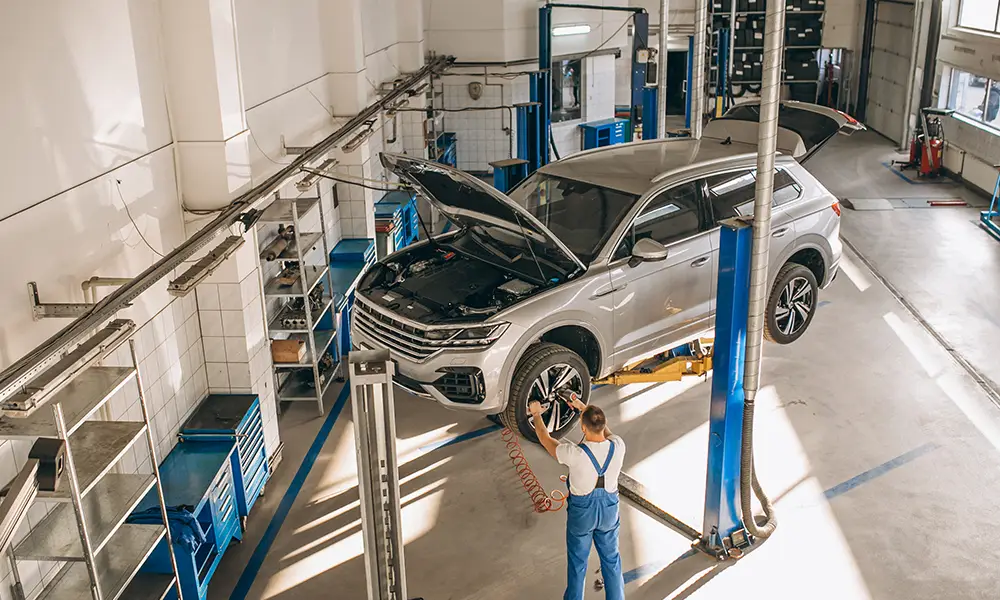

Buying a used car can feel like a win until it isn’t. The photos look clean, the seller sounds honest, and the price seems fair. But here’s the reality: what you don’t see is where the real risk lies.
That’s exactly why a pre purchase car inspection is your safety net. Before you commit your money, you need to know exactly what you’re buying, not what you’re being told.
Let’s break down what a vehicle pre purchase inspection actually includes, why it matters, and how it protects you from costly mistakes.
Why You Should Never Skip a Pre-Purchase Inspection
When you’re buying a used vehicle, you’re relying on limited information. Even with a test drive, most serious issues stay hidden.
Engines can have internal wear. Suspension parts may be failing. Previous accident damage may have been poorly repaired. None of this is obvious at first glance.
A professional inspection gives you clarity. It shifts the situation from guesswork to informed decision-making, something every buyer needs before handing over thousands.
What a Pre-Purchase Inspection Should Include
If you’re wondering what a pre-purchase inspection should include, here’s what a proper, professional check looks like.
1. Engine Condition Assessment
The engine is the most expensive component of your car, so it’s always the first priority.
A mechanic will:
- Check for oil leaks or coolant leaks
- Listen for unusual noises (knocking, ticking)
- Inspect belts, hoses, and seals
- Assess overall engine performance
Even small issues, such as leaks or worn components, can lead to major repairs if ignored.
2. Transmission and Drivetrain Check
Transmission repairs are costly, and problems often show up too late.
During the inspection, technicians will:
- Test gear shifting (manual or automatic)
- Check for slipping, delays, or jerks
- Inspect the driveshaft and differential
If the car struggles to shift smoothly, it’s a serious red flag.
3. Brake System Inspection
Your safety depends on this system working perfectly.
A proper check includes:
- Brake pad and disc condition
- Brake fluid levels and quality
- Signs of uneven wear
- Pedal response
Worn brakes aren’t just a repair cost; they’re a safety risk you shouldn’t accept.
4. Suspension and Steering Components
This is where many buyers get caught out. Issues here often don’t show during a short test drive.
Mechanics will inspect:
- Shock absorbers and struts
- Control arms and bushings
- Steering responsiveness
- Signs of vibration or instability
If the car feels unstable or rough on the road, expect repairs ahead.
5. Tyres and Wheel Condition
Tyres tell a story about the car’s past.
Inspectors check:
- Tread depth and wear patterns
- Alignment issues
- Wheel damage
Uneven tyre wear can indicate deeper suspension or alignment problems.
6. Exterior and Structural Condition
A clean exterior doesn’t always mean a clean history.
This part of the vehicle pre purchase inspection includes:
- Checking for accident damage
- Paint inconsistencies
- Panel alignment
- Signs of rust or corrosion
Poor repairs after an accident can compromise both safety and resale value.
7. Interior and Electrical Systems
Modern cars rely heavily on electronics. When they fail, repairs aren’t cheap.
The inspection covers:
- Dashboard warning lights
- Infotainment and controls
- Air conditioning and heating
- Power windows, locks, and sensors
Electrical issues often go unnoticed, yet they can quickly escalate into frustration and financial burdens.
8. Diagnostic Scan
A scan tool reveals what your eyes can’t see.
Technicians will:
- Scan for fault codes
- Identify hidden issues in engine or transmission systems
- Detect problems even if warning lights are off
This step is crucial, especially in newer vehicles.
9. Road Test Evaluation
A proper inspection always includes a test drive.
During this, mechanics assess:
- Acceleration and braking
- Steering feel
- Engine responsiveness
- Unusual noises or vibrations
Real-world driving often exposes problems that static checks miss.
10. Car History Check
No inspection is complete without a car history check.
This includes:
- Previous accidents
- Ownership history
- Service records
- Odometer verification
A car might look perfect today but have a history that tells an entirely different story.
How a Pre-Purchase Inspection Saves You Money
It might feel like an extra expense upfront, but skipping it can cost far more.
Imagine buying a car only to discover:
- Engine repairs costing thousands
- Suspension needs immediate replacement
- Hidden accident damage reduces resale value
A pre-purchase car inspection helps you:
- Avoid bad deals
- Negotiate a better price
- Plan future maintenance
Often, the inspection pays for itself instantly.
Common Issues Found During Inspections
You’d be surprised how often problems show up during a vehicle pre-purchase inspection.
Some of the most common include:
- Oil leaks
- Worn brake components
- Suspension wear
- Faulty sensors
- Accident repairs
These are things most sellers won’t mention and most buyers won’t notice.
When Should You Get an Inspection Done?
The answer is simple: before you buy, not after.
Once the deal is done, the responsibility is yours. At that point, you lose your negotiating power.
Always arrange the inspection:
- After shortlisting the car
- Before making final payment
- Preferably with an independent mechanic
Why Professional Inspection Matters
You might think bringing a friend who “knows cars” is enough. It’s not.
Professional mechanics use:
- Diagnostic tools
- Lifts for underbody inspection
- Experience with common faults
They know exactly where problems hide and how to spot them quickly.
Conclusion
Buying a used car without an inspection is a gamble. Sometimes you are fortunate, but often you are not.
A pre-purchase car inspection gives you control. It helps you understand the vehicle’s true condition, avoid hidden issues, and make a confident decision.
Before you commit to any used car, make sure you know exactly what you’re getting into. A professional inspection isn’t just a step in the process; it’s the smartest move you can make.
Book a Trusted Inspection with Car One Automotive.
FAQs
1. What does a pre purchase car inspection include?
At Car One Automotive, it includes checks of the engine, transmission, brakes, suspension, tyres, and electronics, along with a road test and a car history check.
2. Is a vehicle pre purchase inspection really necessary?
Yes. It helps identify hidden problems and protects you from unexpected repair costs.
3. How long does a pre purchase inspection take?
Most inspections take between 1 and 2 hours, depending on the vehicle and level of detail.
4. Can I negotiate the price after an inspection?
Absolutely. If the report reveals issues, you can use it to negotiate a lower price or request repairs.
5. What is a car history check?
It’s a report that shows past ownership, accidents, service records, and possible odometer discrepancies.
6. Do mechanics test drive the car during inspection?
Yes, a road test is usually included to assess real driving performance and detect issues.
7. Can an inspection detect all problems?
It detects most visible and diagnosable issues, but no inspection can guarantee 100% fault detection.
8. Is it worth inspecting a cheap car?
Yes. Even low-cost cars can have major hidden issues that cost more than the car itself.
9. Should I inspect a car bought from a dealer?
Yes. Even dealer cars can have issues, so an independent inspection is still recommended.
10. What happens if the inspection finds major problems?
You can either negotiate repairs, ask for a lower price, or walk away from the deal.