
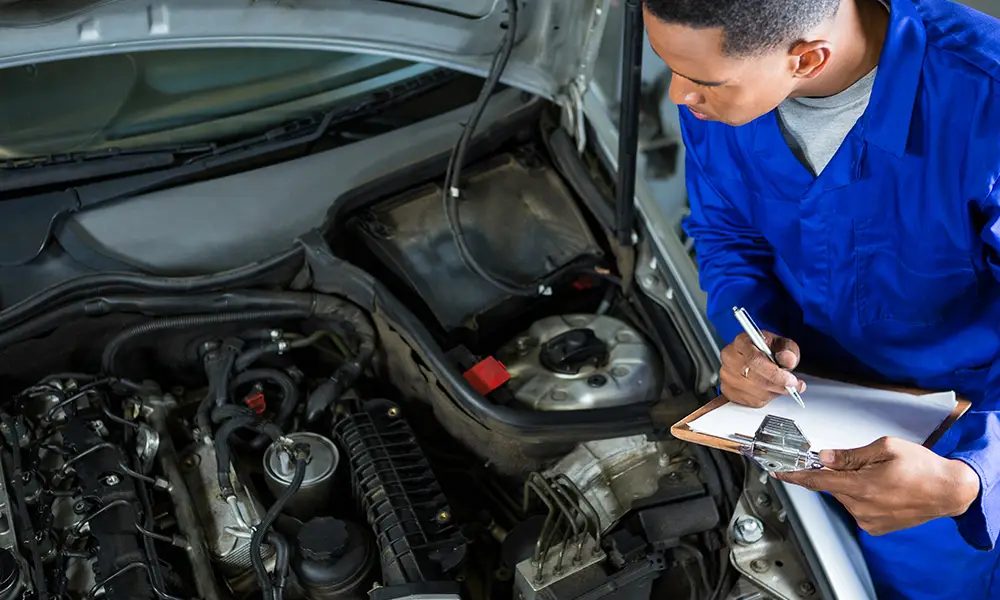
The start of a new year is the perfect time to reassess not only personal goals but also the condition of your vehicle. Over time, everyday driving exposes your car to gradual damage that often goes unnoticed until a problem appears.
A full car inspection at the beginning of the year also supports smarter budgeting. Knowing your car’s condition in advance allows you to plan maintenance costs instead of facing unexpected repair bills. Whether you drive daily or occasionally, starting the year with a thorough inspection sets a strong foundation for safe and stress free driving.
What is Car Health Check?
A car health check is a detailed assessment of your vehicle’s key systems to understand how well it is performing. It goes beyond basic servicing and focuses on identifying early warning signs that may not yet be obvious while driving.
During a vehicle checkup, technicians review components that affect safety, efficiency, and reliability. A full car inspection provides a clear snapshot of your car’s condition, helping you identify what needs attention now and what can be addressed later. It is about staying informed rather than reacting when something goes wrong.
Why a Car Health Check Matters at the Start of the Year
The beginning of the year is an ideal time for a car health check because vehicles often accumulate hidden damage, such as from holiday travel, and stop-start driving can all take a toll on essential systems.
This timing allows drivers to prepare for long road trips and daily use alike. A vehicle checkup now helps prevent unexpected breakdowns and makes it easier to manage the car health check price alongside future maintenance costs. It also supports safer driving throughout the year.
Engine and Overall Performance Assessment
The engine is the heart of your vehicle, and its condition affects everything from fuel efficiency to reliability. A car health check looks at how smoothly the engine is running and whether there are early signs of strain or inefficiency.
A full car inspection helps identify issues such as fluid deterioration or minor leaks before they cause serious damage. Keeping the engine in good condition not only improves performance but also reduces the likelihood of costly repairs later in the year.
Brake System Condition and Safety
Brakes naturally damage over time, often without obvious warning signs. A car health check ensures that braking components are working as they should and responding correctly under everyday driving conditions.
A thorough vehicle checkup improves road safety by detecting erosion early. This is particularly important for Australian drivers who regularly face long distances and varying road surfaces. Maintaining brake health provides peace of mind and protects both drivers and passengers.
Battery and Electrical System Evaluation
Battery problems are a common reason for breakdowns, especially after periods of heavy use or extreme temperatures. A car health check assesses battery strength and charging performance to reduce the risk of sudden failure.
Electrical systems also support essential features such as lighting and dashboard alerts. A full car inspection helps ensure these systems are functioning properly, making daily driving safer and more reliable.
Tyres, Wheels, and Road Contact
Tyres are your vehicle’s direct connection to the road, and their condition has a major impact on safety and fuel efficiency. A vehicle checkup reviews tyre erosion and overall condition to ensure proper grip and stability.
Australian road conditions can vary widely, so tyre health plays a critical role in handling and braking. Including tyre checks as part of a car maintenance checklist helps extend tyre life and supports consistent driving performance.
Steering and Suspension Health
Steering and suspension systems affect how your car responds on the road.
Over time, damage in these components can reduce comfort and control without being immediately noticeable.
A car health check helps detect early suspension issues that could otherwise worsen. A full car inspection supports smoother handling and protects other parts of the vehicle from unnecessary strain, especially on uneven or rural roads.
Fluids, Filters, and Internal Protection
Fluids and filters protect internal components from friction, heat, and contamination.
During a vehicle checkup, technicians review fluid levels and quality to ensure systems are properly lubricated and cooled. Over time, fluids degrade and lose effectiveness, increasing the risk of component erosion.
A car health check also includes inspection of filters that affect air quality and engine efficiency. Clean filters support better fuel combustion and cabin comfort. Monitoring these elements as part of a structured car maintenance checklist helps extend vehicle lifespan and maintain optimal performance.
Exhaust and Emissions Performance
The exhaust system affects engine efficiency, fuel consumption, and environmental impact. A car health check assesses exhaust components for leaks, corrosion, or inefficiencies that could compromise performance. Emissions issues often develop gradually and may not be immediately noticeable to the driver.
A car health check helps ensure the exhaust system is functioning correctly and supporting clean engine operation. Early detection of issues can prevent fuel waste and reduce repair costs.
Heating, Cooling, and Visibility Systems
Comfort and visibility systems are often taken for granted until they stop working. A vehicle checkup assesses heating and cooling performance to ensure year round comfort.
A car health check also ensures visibility systems work properly, which is especially important during heavy rain or long drives. Clear visibility contributes directly to safer driving conditions.
Interior Safety and Driver Controls
Interior safety features support both comfort and protection.
A car health check ensures essential systems inside the vehicle are functioning correctly.
A full car inspection reviews driver alerts and controls that communicate vehicle status. Reliable interior systems help drivers respond quickly to potential issues while on the road.
How Often a Car Health Check Is Needed
For most drivers, an annual car health check provides a reliable overview of vehicle condition. Additional inspections may be necessary for older vehicles, high-mileage cars, or before extended travel. Regular assessments reduce uncertainty and improve maintenance planning.
Preventive inspections often cost far less than emergency repairs. Including routine inspections within a car maintenance checklist supports consistent vehicle reliability throughout the year.
Final Thoughts
Skipping a full car health check might seem fine for now, but small issues can quickly turn into costly problems.
Regular vehicle checkups keep your car safe, reliable, and performing at its best.
If it’s been a while since your last inspection, book a professional car health check today and drive with confidence all year.
FAQs
How often should I get a full car inspection?
Most drivers should have a car health check at least once a year.
Why is a vehicle checkup important at the start of the year?
It identifies issues early, prevents breakdowns, and helps plan maintenance costs for the year.
Is a car health check different from regular servicing?
Yes, it is more comprehensive and focuses on early warning signs beyond routine servicing.
Can a car health check improve fuel efficiency?
Absolutely, ensuring the engine, tyres, and filters are in good condition helps optimise fuel usage.
Should I get a car health check if I drive mostly in the city?
Yes, stop-start driving can stress brakes, battery, and fluids, so regular inspections are still important.


