You do not need to be a mechanic to keep a car running well, and a handful of simple jobs done regularly will save you money and catch problems before they grow.
This guide covers easy DIY car maintenance anyone can do at home, the specific tasks, how to do them safely, and which jobs are better left to a professional.
Here is what we will cover:
- The easy DIY jobs worth doing
- How to check oil, coolant and fluids
- Tyres, wipers and lights
- Air filter and battery basics
- What to leave to a mechanic
What Car Maintenance Can You Do Yourself?
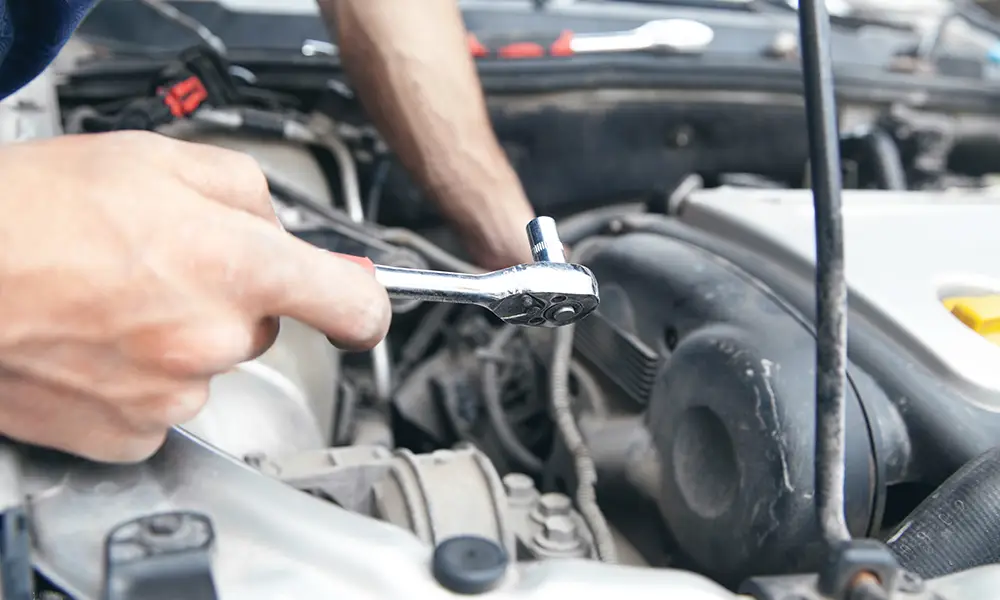
The car maintenance you can safely do yourself includes checking and topping up fluids, checking tyre pressure and tread, replacing wiper blades, swapping a cabin or air filter, and cleaning battery terminals, all simple jobs that need no special skills.
None of these need a hoist or specialist training, which is what makes them ideal car maintenance at home. A few minutes here and there keeps small problems visible and your running costs down.
| Task | How often | Benefit |
|---|---|---|
| Check oil & coolant | Monthly | Catch leaks early |
| Tyre pressure & tread | Monthly | Safety, fuel, tyre life |
| Wiper blades | As needed | Clear vision |
| Air/cabin filter | Per service | Airflow, economy |
| Battery terminals | Occasionally | Reliable starting |
What Tools Do I Need?
Very little: a clean cloth, a tyre pressure gauge, and occasionally a screwdriver. Most of these jobs are about looking, checking and topping up rather than dismantling anything.
How Often Should I Do These?
A quick monthly routine covers most of it, with a closer look before any long drive. Building the habit is what makes the difference, and our guide to car maintenance habits worth keeping sets out a simple rhythm to follow.
Your DIY checks sit alongside, not instead of, your scheduled servicing, and our logbook servicing to spec keeps the professional side of maintenance on track and your warranty intact.
How Do You Check Oil, Coolant and Fluids?
You check oil with the dipstick on level ground with a cool engine, coolant at the reservoir’s min and max marks, and brake and washer fluids at their reservoirs, topping up with the correct type where low.
Fluids are the cheapest thing to check and the most revealing. A level that keeps dropping is telling you something, so it is worth a quick look every few weeks and before any trip.
How Do I Read the Dipstick?
Pull the dipstick out, wipe it clean, push it fully back in, then pull it again and read where the oil sits. The level should fall between the two marks, and the oil itself should look clean rather than gritty or milky.
What if a Fluid Is Always Low?
A fluid that keeps needing topping up points to a leak or a system using it, and that is worth having checked. Regular simple car checks catch this early, before a slow loss becomes a breakdown.
What About Tyres, Wipers and the Air Filter?
You can check tyre pressure with a gauge against the placard figure, inspect tread for wear, replace worn wiper blades by clipping in new ones, and swap a clogged air or cabin filter, all without tools beyond a gauge.
These are the jobs that make the biggest day-to-day difference to safety and comfort. Correct tyre pressure alone improves grip, fuel use and tyre life, so it is well worth the two minutes.
Where’s the Tyre Pressure Placard?
It is usually on the driver’s door jamb, sometimes inside the fuel flap or in the handbook. It lists the correct pressures for your car, which is what your gauge reading should match.
Is Changing a Filter Easy?
Often, yes. Many air and cabin filters sit in a clip-out box that opens by hand or with a single tool. These DIY car maintenance tasks are among the most satisfying because the difference in airflow is immediate. It is also worth running through the tyres, wipers and fluids as part of a road trip preparation checklist before any long drive.
What Should You Leave to a Mechanic?
You should leave brakes, suspension, timing components, anything under the car on a jack, and any warning-light diagnosis to a mechanic, because these need proper equipment and carry real safety risk if done wrong.
Knowing the limit is part of doing this well. The simple checks keep a car healthy, but the safety-critical work belongs with someone who has the tools and the training. When something is beyond a driveway job, our Brisbane mechanics can take it from there.
For a deeper once-over that goes past what you can check yourself, a full car health check covers the underbody and systems a home inspection cannot reach.
Why Not DIY Brakes?
Brakes are safety-critical and need proper tools, measurement and knowledge to do correctly. A mistake here does not just cost money, it costs stopping distance, so this is one to book in. You can book a car service in Brisbane and have the brakes checked as part of it.
What About Jacking the Car?
Getting under a car supported only by a jack is genuinely dangerous. Any job that needs the car raised should be done on proper stands or a hoist, which is a good reason to leave underbody work to a workshop.
Conclusion
A few simple DIY jobs keep a car healthy and catch problems early, while the safety-critical work belongs with a mechanic. Doing the easy parts yourself and booking the rest is the sensible balance that keeps a car reliable without the risk.
If you would like the bigger jobs handled properly while you keep on top of the basics, the team at Car One Automotive can look after it.
Frequently Asked Questions
What Car Maintenance Can I Do Myself?
Checking and topping up fluids, checking tyre pressure and tread depth, replacing wiper blades, swapping an air or cabin filter, and cleaning corrosion off the battery terminals. These are low-risk jobs that need only basic tools, and doing them keeps small problems from turning into bigger ones.
How Do I Check My Engine Oil?
On level ground with a cool engine, pull the dipstick, wipe it clean, reinsert it fully, then pull it again and read the level between the two marks. Top up gradually with the correct grade if it is low, and never overfill past the upper mark.
How Often Should I Do Basic Car Maintenance?
A quick monthly routine of fluid, tyre and light checks works well, with a more thorough look before any long trip. This sits alongside your regular logbook servicing rather than replacing it, and catching issues early usually means cheaper, simpler repairs down the track.
What Car Jobs Should I Not Do Myself?
Brakes, suspension, timing components, anything that needs the car up on a jack, and diagnosing warning lights. These jobs need proper equipment, training and safe support, and getting them wrong carries a real safety risk, so they are best left to a qualified workshop.
Does DIY Maintenance Affect My Warranty?
Basic checks and top-ups are fine and will not affect your cover. Scheduled logbook servicing, though, should be done by a qualified workshop to manufacturer specification and stamped, so a new car warranty stays valid. Keep receipts for anything you do yourself as a record.