
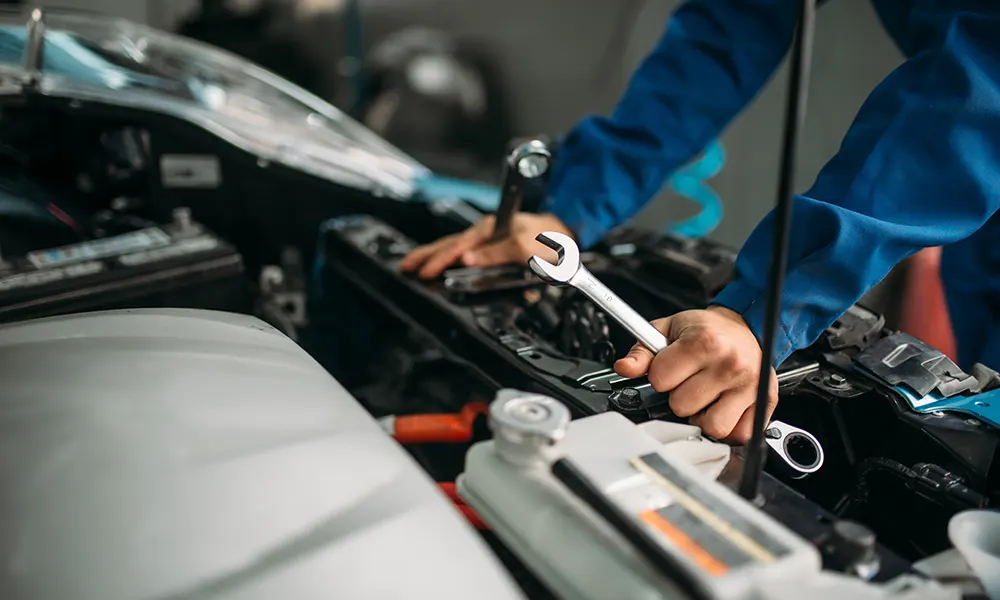
The difference between a car that lasts and one that nickels and dimes you is rarely luck: it is a handful of good habits kept up over years.
This guide shares the car maintenance tips everyone should follow, the routines and principles that keep a car reliable, safe and worth more when you sell it.
Here is what we will cover:
- Service your car on time
- Do the simple checks yourself
- Drive in a way that saves wear
- Catch problems early
- Keep records and hold value
What are the Most Important Car Maintenance Tips?
The most important car maintenance tips are to service the car on time to its logbook, check fluids and tyres regularly, drive gently to reduce wear, address small problems early, and keep service records, which together protect reliability and resale value.
These are the car care tips that make the biggest difference, and none of them are complicated. They are about consistency rather than effort, which is why anyone can follow them.
| Habit | Why it matters | How often |
| Service on time | Prevents major faults | Per logbook |
| Check fluids and tyres | Catch issues early | Monthly |
| Drive gently | Less wear | Always |
| Act on early signs | Cheaper fixes | As they appear |
| Keep records | Resale and warranty | Every service |
The hands-on side of this is more approachable than most people expect, and our guide to easy DIY car maintenance jobs walks through the checks you can do yourself in a few minutes.
Why Is Servicing on Time the Big One?
Servicing on time is the single habit that prevents most expensive failures, because it catches wear and small faults before they turn into breakdowns. Everything else supports it, but the schedule is the backbone.
Do Small Habits Really Add Up?
Yes, over years they save real money. A monthly fluid and tyre check, gentle driving and acting early each seem minor, but together they add up to fewer repairs and a car that holds together far longer.
Why Does Servicing on Time Matter so Much?
Servicing on time matters most because regular oil changes and inspections catch wear and small faults before they cause expensive failures, and on a newer car it keeps the logbook history that protects warranty and resale.
This is the habit worth building everything else around. It protects the car mechanically and, on anything still under warranty, protects your rights too. When a service is due, you can book a car service in Brisbane and stay ahead of the schedule rather than behind it.
Keeping the history intact is just as important as the work itself, and our logbook servicing to spec records every interval correctly to manufacturer requirements.
What Happens if I Skip Services?
Wear builds unchecked, small faults grow, and the car’s value drops because the history has a gap. Skipping a service rarely saves money once you account for the larger repairs it invites.
Does It Affect Resale?
Yes. A full service history lifts buyer confidence and resale value, because it shows the car has been looked after. A missing history is one of the first things a careful buyer notices.
How Does the Way You Drive Affect Maintenance?
The way you drive affects maintenance because gentle acceleration and braking, warming the engine before hard use, and avoiding overloading all reduce wear on the engine, brakes and suspension, extending the life of major components.
Your driving habits quietly decide how often things wear out. Knowing your car helps too, and if yours is a hybrid, our hybrid car servicing guide explains the few extra things worth understanding about how it should be maintained.
Does Gentle Driving Really Help?
Yes, gentle driving means less heat and stress on parts, which directly extends their life. Hard acceleration and heavy braking wear brakes, tyres and drivetrain far faster than a smoother style.
Does Short-Trip Driving Hurt?
It can. Lots of short trips are harder on the oil and the battery, because the engine never fully warms and the battery never fully charges. The occasional longer run helps offset that.
How Do You Catch Problems Early?
You catch problems early by paying attention to new noises, smells, warning lights and changes in how the car drives, and by acting on them promptly rather than waiting, since most faults are cheaper to fix when small.
Early attention is what keeps a minor fault minor. It is also worth a closer look before any long journey, and our road trip preparation checklist covers exactly what to check before a big drive.
For anything that needs a professional eye rather than a driveway glance, our Brisbane mechanics can take a look while the issue is still small and cheap to put right.
What Signs Shouldn’t I Ignore?
New noises, unusual smells and warning lights are the main ones. A fresh knock, a burning smell, or a light that stays on are the car telling you something has changed, and they are worth acting on.
Is It Worth Booking for a Small Issue?
Usually yes, because it is cheaper while small. Checking the fluids, tyres and general condition regularly is what surfaces these issues early enough to fix them simply.
Conclusion
Good maintenance is less about big efforts and more about consistent habits, and servicing on time and acting early are what keep a car reliable and valuable. None of it is hard, and all of it pays off over the years you own the car.
If you would like help keeping on top of it, the team at Car One Automotive can look after the servicing side.
Frequently Asked Questions
What Are the Most Important Car Maintenance Tips?
Service on time to your logbook, check fluids and tyres regularly, drive gently, address small problems early before they grow, and keep your service records. Together these habits protect reliability and resale value and tend to head off the expensive failures that catch owners out.
How Often Should I Service My Car?
Follow your logbook, which is usually every 12 months or 10,000 to 15,000 km, whichever comes first. Shorten that interval for harder use such as frequent short trips, towing or lots of stop-start city driving, since these conditions wear the car faster than the distance alone suggests.
Does the Way I Drive Affect Maintenance Costs?
Yes, quite a lot. Gentle acceleration and braking, letting the engine warm up before pushing it, and avoiding overloading all reduce wear on the engine, brakes and suspension. Smoother driving extends the life of major components and keeps your running costs lower over time.
Why Is Keeping Service Records Important?
A complete, stamped service history protects a new car warranty and lifts resale value, because it shows buyers the car has been maintained properly. It also helps any workshop understand what has already been done, which makes future servicing and diagnosis quicker and more accurate.
How Do I Catch Car Problems Early?
Notice new noises, smells, warning lights and any change in how the car drives or brakes, and act on them promptly rather than waiting. Most faults are far cheaper to fix while they are small, so early attention often saves both money and a roadside breakdown later.