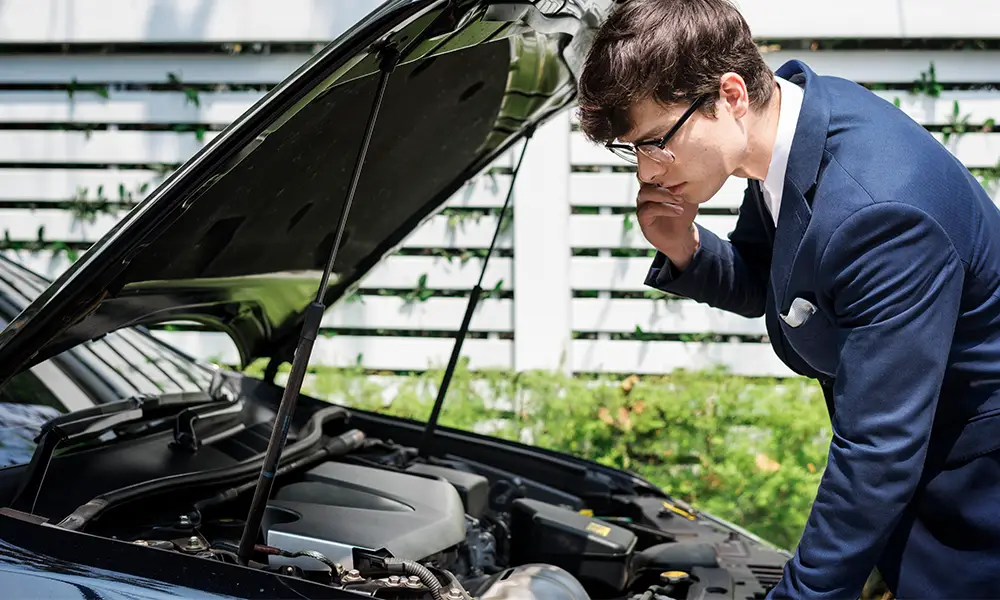
A breakdown is stressful enough at home, but hundreds of kilometres away on a holiday, with unfamiliar surroundings and no usual mechanic, it can feel overwhelming. If your car broke down on holiday, the good news is that a calm, ordered approach makes it far more manageable than it first seems.
This guide gives a mechanic’s tips for exactly that situation: what to do first to stay safe, how to get help, how to find a mechanic you can trust, and how to make it far less likely next time.
Here is what we will cover:
- What to do the moment you break down
- How to stay safe at the roadside
- Getting help and a tow
- Finding a trustworthy mechanic away from home
- How to avoid it next time
What Should You Do First If Your Car Breaks Down?
If your car breaks down, the first priority is safety: pull over as far off the road as possible, switch on your hazard lights, get yourself and passengers to a safe spot away from traffic, then call roadside assistance.
That order matters. Getting the car and everyone in it out of harm’s way comes before any thought of what has actually gone wrong, and a car breakdown away from home is no different in that respect. Once you are clear of moving traffic, your hazard lights are on, and everyone is somewhere safe, you can call for help without feeling rushed or exposed on the edge of a busy road.
The table below sets out those first steps in order.
| Step | Action | Why |
|---|---|---|
| 1 | Pull off the road | Out of traffic |
| 2 | Hazard lights on | Visibility |
| 3 | Move to safety | Away from cars |
| 4 | Call roadside help | Get assistance |
Where Should I Stop?
As far off the road as you safely can. Aim for a wide shoulder, a rest area, or a side street rather than stopping in a live lane. The more distance you can put between the car and passing traffic, the safer it is to wait for help and, if needed, a tow.
Should I Stay in the Car?
It depends on where you have stopped. In a genuinely safe spot well off the road it can be fine, but on a busy highway it is often safer to get out on the side away from traffic and wait behind a barrier if there is one, well clear of the cars.
How Do You Find a Trustworthy Mechanic Away From Home?
To find a trustworthy mechanic away from home, look for established workshops with genuine reviews, ask for a written quote before any work, and do not feel pressured to approve repairs on the spot if something feels off.
Being away from your regular mechanic is exactly when a bit of caution pays off. A well-run workshop will happily put a quote in writing and explain what is wrong in plain terms, and it will not lean on you to sign off on work before you are comfortable. If you want a sense of what good looks like, the way our Brisbane mechanics approach quotes and clear explanations is a reasonable benchmark to measure any unfamiliar shop against when you are stranded.
What Signs Mark a Good Workshop?
Genuine reviews, a willingness to give a written quote, and clear, patient answers to your questions. A good workshop explains the fault and the fix rather than talking over your head, and it is upfront about cost before starting anything, which lets you make a calm decision.
What If I Feel Pressured?
Take your time. A fair mechanic will not rush you into approving repairs, so pressure to decide on the spot is a warning sign in itself. It is perfectly reasonable to ask for the quote in writing, step away for a moment, and only agree once you are comfortable.
What Can You Check Yourself Before Calling?
Before calling for help you can safely check a few simple things, whether the car has fuel, whether the battery looks dead from dim lights, and whether a tyre is flat, which sometimes reveals a quick fix.
None of this involves tools or crawling under the car, and that is the point. A surprising number of roadside dramas come down to something simple like an empty tank or a flat tyre, so a quick look before you call can occasionally save a wait. Keep it to the obvious, safe checks, and leave anything more involved to the professionals rather than risking injury at the roadside.
What’s Worth a Quick Look?
Whether there is fuel in the tank, whether the headlights and dash are dim or dead in a way that suggests a flat battery, and whether any tyre has gone flat. These simple roadside checks are covered in this simple checks you can do guide, which is handy to skim before a trip.
When Should I Just Call?
For anything beyond the obvious, it is better to call for help than to start pulling things apart at the roadside. Once the car is somewhere safe, a diagnostic scan can pin down exactly what is wrong before any repair is agreed, so you are not paying to fix the wrong thing.
How Do You Avoid Breaking Down Next Time?
You avoid breaking down next time by keeping up with servicing, running a pre-trip check before long drives, and acting on warning signs early, since most breakdowns trace back to a known issue that was put off.
Prevention really is the whole game here, because most roadside failures are avoidable with a little planning. A short check before a big drive catches the tyres, fluids and lights while you are still at home, and following a road trip preparation checklist turns that into a simple routine rather than something you have to remember from scratch each time.
Good habits between trips matter just as much. Keeping on top of the small stuff, from fluids to odd noises, is the theme of these maintenance habits that prevent breakdowns, and it is what keeps an emergency from cropping up in the first place.
The single most reliable safeguard is regular servicing, since a mechanic spots developing faults before they strand you. Booking a car service in Brisbane before a long holiday drive is a small step that heads off a lot of roadside stress later on down an unfamiliar highway.
What Prevents Most Breakdowns?
Timely servicing and a quick pre-trip check between them prevent the large majority of breakdowns. Together they catch worn and overdue items while the car is safely at home, rather than letting them fail somewhere inconvenient, which is where most avoidable roadside failures come from.
Do Warning Signs Matter?
Very much. Most breakdowns give a warning first, whether a new noise, a warning light, or a change in how the car drives. Acting on those early, instead of hoping they settle, is often the difference between a quick workshop visit and a roadside wait.
Conclusion
A breakdown on holiday is a lot more manageable than it feels in the moment, provided you put safety first, get the right help, and choose any unfamiliar mechanic carefully. Better still, a little preparation makes the whole thing far less likely to happen at all. If you would like your car checked over before your next long drive, the team at Car One Automotive can help.
Frequently Asked Questions
What Should I Do First If My Car Breaks Down?
Put safety first. Pull over as far off the road as you can, switch on your hazard lights, and move yourself and any passengers to a safe spot away from traffic. Once everyone is clear of the cars, call roadside assistance and wait somewhere safe.
How Do I Find a Trustworthy Mechanic Away From Home?
Look for established workshops with genuine customer reviews, and always ask for a written quote before any work begins. Do not feel pressured to approve repairs on the spot, because a fair mechanic will give you time to think it over rather than rushing you into it.
Should I Stay in My Car After Breaking Down?
If you are parked in a truly safe spot well off the road, staying in the car can be fine. On a busy highway, though, it is usually safer to get out and wait well away from passing traffic behind a barrier where possible.
What Can I Check Myself Before Calling for Help?
Only the simple, safe things. Check whether the car actually has fuel, whether dim or dead lights suggest a flat battery, and whether a tyre has gone flat. Beyond those quick checks, avoid risky roadside repairs and call for professional help instead of guessing.
How Can I Avoid Breaking Down on Holiday?
Keep up with your servicing, run a quick pre-trip check before any long drive, and act on warning signs early instead of hoping they pass. Most holiday breakdowns trace back to a known issue that was quietly put off until the worst possible moment.