
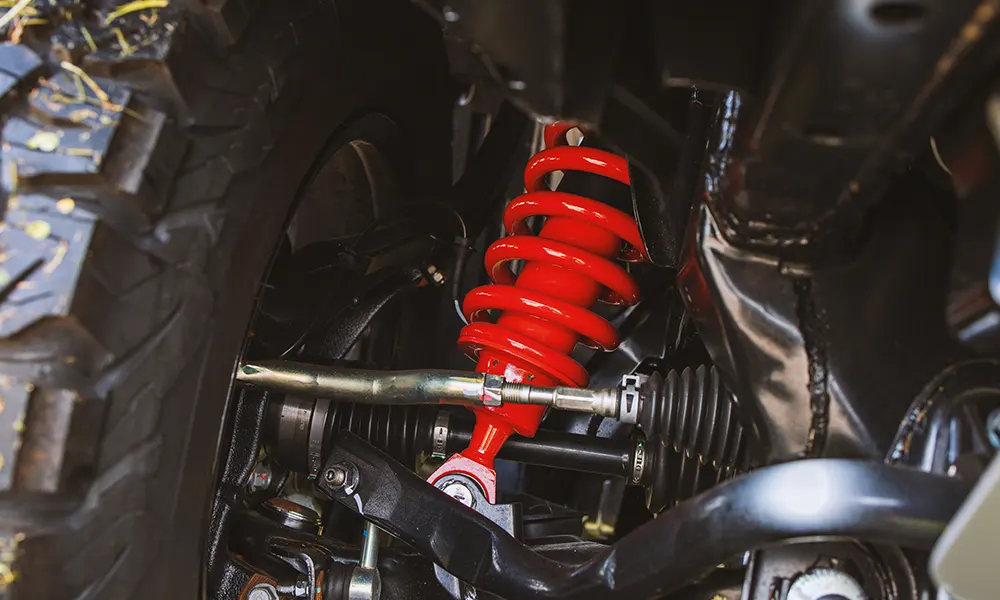
Shock absorbers do more than keep your ride comfortable; they play a critical role in vehicle stability, braking, and handling.
When shocks wear out, your car becomes harder to control, less predictable, and less safe. Ignoring worn shocks doesn’t just affect comfort; it puts your safety at risk.
Understanding the warning signs and acting early can save you money and improve your driving confidence.
What Do Shock Absorbers Do?
Shock absorbers control suspension movement, keeping tyres in contact with the road. They reduce bouncing, absorb impacts, and help maintain steering control, especially during braking and cornering.
Without properly functioning shocks, even the best tyres and brakes can’t perform as intended.
How Shock Absorbers Wear Out
Shocks wear gradually, which makes failure easy to miss. Australian road conditions, heat, rough surfaces, and long-distance driving accelerate wear.
Common causes include:
- Normal wear and tear
- Poor road conditions
- Heavy loads or towing
- Leaking shock seals
Over time, performance drops even if the shocks don’t completely fail.
Signs of Worn Shock Absorbers
Recognising shock failure signs early is key.
Watch for:
- Excessive bouncing after bumps
- Nose-diving when braking
- Poor handling or swaying in corners
- Uneven or rapid tyre wear
- Longer stopping distances
- Leaking fluid around the shocks
If your car feels floaty or unstable, worn shocks are a likely cause.
Why Driving With Worn Shocks Is Dangerous
Driving with worn shock absorbers affects more than ride comfort. It compromises:
- Tyre grip
- Steering response
- Brake performance
- Overall vehicle stability
In emergency situations, poor suspension response can be the difference between stopping safely and losing control.
How Mechanics Inspect Shock Absorbers
Professional inspections go beyond a visual check.
Mechanics assess:
- Physical condition and leaks
- Suspension bounce tests
- Tyre wear patterns
- Steering and handling response during road tests
At Car One, technicians evaluate your full suspension system to ensure safe, balanced performance.
When Should Shock Absorbers Be Replaced?
There’s no one-size-fits-all answer, but most shocks last between 80,000–100,000 km depending on driving conditions.
Replace shocks sooner if:
- You frequently drive on rough roads
- You tow heavy loads
- You notice handling changes
Delaying shock absorbers replacement often leads to increased tyre wear and higher repair costs.
Benefits of Replacing Shocks on Time
Timely replacement improves:
- Ride comfort
- Vehicle handling
- Braking efficiency
- Tyre lifespan
- Driver confidence
New shocks restore your vehicle’s original stability and control.
Shock Absorbers vs Struts
While often used interchangeably, shocks and struts aren’t the same. Struts are structural suspension components that affect alignment, while shocks primarily control motion.
A professional mechanic can identify which system your vehicle uses and recommend the correct solution.
Preventing Suspension Problems
To extend suspension life:
- Avoid potholes and harsh impacts
- Don’t overload your vehicle
- Maintain wheel alignment
- Schedule regular suspension checks
Preventative suspension maintenance keeps your car handling safely and smoothly.
Why Choose Car One for Suspension Repairs
Car One provides expert suspension inspections and reliable shock absorbers replacement using quality components.
Our technicians ensure your vehicle maintains proper handling, comfort, and safety on Australian roads.
Book your suspension check today.
FAQs
How often should shock absorbers be replaced?
Most shocks last between 80,000-100,000 km, but replacement may be sooner if you frequently drive on rough roads, tow heavy loads, or notice handling changes.
Can new shock absorbers improve ride comfort and safety?
Absolutely. Replacing worn shocks restores vehicle stability, handling, braking efficiency, tyre lifespan, and overall driving confidence.
Are shock absorbers and struts the same thing?
No. Shocks control suspension motion, while struts are structural components that affect alignment. A professional inspection ensures the correct system is repaired or replaced.