
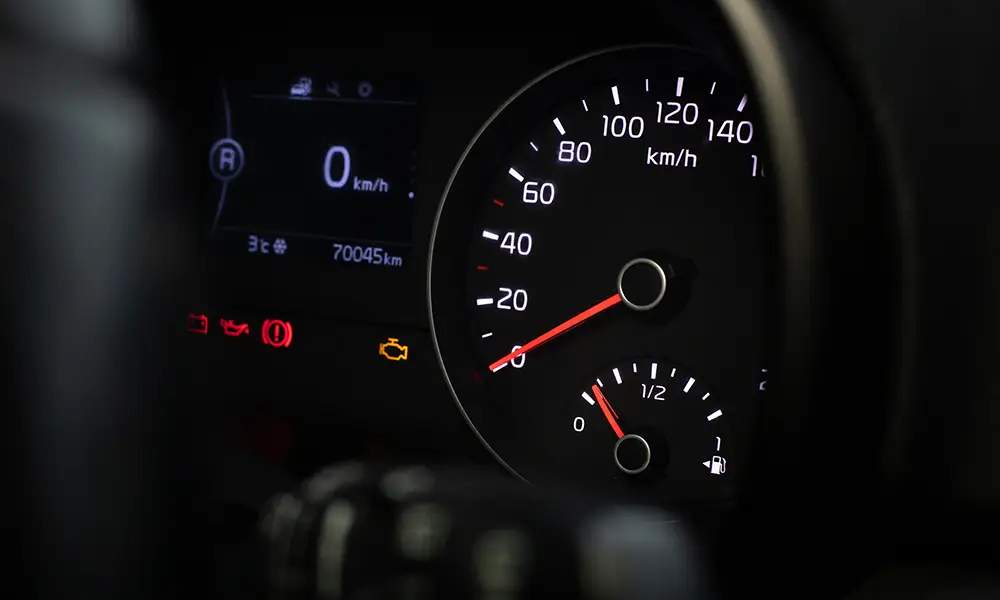
Noticing your fuel gauge dropping fast can be frustrating, especially when your driving habits haven’t changed. One week you’re filling up as usual, and the next it feels like your tank is empty far sooner than expected. This isn’t just an inconvenience, it’s often a sign that something isn’t working as efficiently as it should.
In many cases, it points to mechanical, maintenance, or driving-related issues that quietly drain fuel over time. Understanding what’s behind rapid fuel loss can help you take action early and avoid bigger problems down the road.
Let’s break down what causes excess fuel consumption, how mechanics identify it, and what you can do to regain control of your fuel usage.
What Does Fuel Gauge Dropping Fast Actually Mean?
Your car’s fuel system is designed to burn fuel at a relatively predictable rate. While variations are normal depending on traffic, weather, and driving style, a sudden or consistent drop in fuel efficiency is not.
If your car fuel gauge seems to fall faster than usual, it usually means your engine is burning more fuel than necessary to perform the same work. This could be due to inefficiencies in combustion, increased resistance, or faulty components that force the engine to compensate by injecting more fuel.
Occasional changes are normal. Persistent ones deserve attention.
Common Signs Your Car Is Using Too Much Fuel
Before diving into causes, it helps to recognise the warning signs that mechanics often hear from drivers:
- Filling up more frequently without driving extra distance
- Noticeable drop in kilometres per tank
- Strong fuel smell while driving or parked
- Engine running rough or idling unevenly
- Dashboard warning lights appearing
- Reduced acceleration or sluggish response
If more than one of these is happening alongside rapid fuel loss, it’s rarely a coincidence.
Driving Habits That Quietly Increase Fuel Use
Not all fuel problems start under the bonnet. The way a car is driven plays a huge role in how efficiently fuel is used.
Aggressive acceleration, hard braking, and speeding force the engine to work harder than necessary. Constant short trips are another major factor. When an engine doesn’t fully warm up, it runs in a less efficient mode and burns more fuel.
Other common habits that affect fuel use include:
- Idling for extended periods
- Carrying unnecessary weight in the vehicle
- Driving in low gears for too long
- Using air conditioning excessively in stop-start traffic
Over time, these habits contribute to higher fuel consumption even if the vehicle itself is mechanically sound.
Engine-Related Causes of Excess Fuel Use
When a mechanic investigates rapid fuel loss, the engine is often the first area checked. Modern engines rely on precise fuel and air mixtures. Even small disruptions can cause significant inefficiency.
Common engine-related causes include:
- Worn spark plugs causing incomplete combustion
- Dirty or clogged air filters restricting airflow
- Faulty oxygen sensors misreading exhaust gases
- Malfunctioning mass airflow sensors
- Engine misfires forcing the system to compensate
Each of these issues causes the engine control unit to inject more fuel than necessary, which directly affects mileage.
Tyres and Wheel Alignment Matter More Than You Think
Many drivers are surprised to learn how much tyres influence fuel usage. Underinflated tyres increase rolling resistance, meaning the engine has to work harder just to keep the car moving.
Similarly, poor wheel alignment causes the tyres to drag rather than roll smoothly. This not only wears tyres unevenly but also increases fuel burn.
Mechanics often check:
- Tyre pressure consistency
- Alignment angles
- Tyre condition and tread wear
Correcting these issues is one of the simplest ways to improve efficiency quickly.
Fuel System Problems That Drain Your Tank
The fuel system itself can be a major contributor when a fuel gauge drops quickly. Problems here often go unnoticed because they don’t always cause obvious performance issues.
Common fuel system faults include:
- Leaking fuel injectors
- Blocked or dirty injectors spraying unevenly
- Faulty fuel pressure regulators
- Evaporative emissions system leaks
Even a small leak or imbalance can waste significant fuel over time without leaving visible signs.
Exhaust and Emissions Issues
Your exhaust system doesn’t just remove gases; it plays a role in regulating fuel efficiency. Components like the catalytic converter and oxygen sensors help the engine maintain the correct fuel mixture.
If these systems aren’t functioning properly, the engine may run rich, meaning it burns more fuel than needed. This is one of the most common mechanical reasons behind poor fuel mileage, and it often develops gradually.
Ignoring exhaust-related issues can also lead to emissions failures and further engine damage.
External Factors That Affect Fuel Consumption
Not all fuel loss is mechanical. External conditions can amplify existing inefficiencies.
These include:
- Heavy traffic and frequent stop-start driving
- Extreme heat or cold
- Driving uphill or on rough terrain
- Poor road surfaces increasing resistance
While you can’t control these factors, a healthy vehicle minimises their impact. When combined with mechanical issues, however, they make fuel loss far more noticeable.
When Rapid Fuel Loss Signals a Serious Problem
Some situations require immediate attention. If your fuel gauge is dropping unusually fast alongside any of the following, a professional inspection is strongly advised:
- Strong fuel smell inside or outside the vehicle
- Visible fuel leaks
- Engine warning lights flashing
- Sudden loss of power
- Engine overheating
These symptoms suggest safety risks, not just efficiency problems.
How Mechanics Diagnose Excess Fuel Consumption
When a vehicle comes in with fuel concerns, mechanics don’t guess. Diagnosis follows a structured process.
This typically includes:
- Electronic diagnostic scans
- Visual inspection of fuel and exhaust systems
- Checking sensor data in real time
- Inspecting tyres, alignment, and engine components
- Reviewing driving patterns with the owner
This approach identifies root causes rather than treating symptoms, which is key to long-term fuel efficiency.
Practical Ways to Improve Fuel Efficiency Quickly
Once issues are identified, there are several immediate steps drivers can take to reduce fuel waste:
- Keep tyres inflated to manufacturer recommendations
- Remove unnecessary weight from the vehicle
- Avoid aggressive acceleration and braking
- Limit engine idling
- Keep up with scheduled servicing
Even small adjustments can lead to noticeable improvements within a few tanks.
Preventing Excess Fuel Use in the Long Term
Long-term efficiency comes from consistency. Regular inspections, prompt repairs, and mindful driving habits all play a role.
Maintaining engine components, replacing filters on time, and addressing warning signs early prevents small inefficiencies from becoming expensive problems. It also ensures your vehicle operates as designed, rather than compensating for faults with extra fuel.
Final Thoughts
Seeing your fuel gauge dropping faster than expected is rarely something to ignore. While fuel prices fluctuate, excessive fuel use often points to underlying issues that cost far more over time.
Regular checks, timely repairs, and smart driving habits help keep fuel consumption under control and protect your vehicle’s overall health.
If your fuel usage feels off, booking a professional inspection sooner rather than later can save money, reduce stress, and restore confidence every time you drive.
Faqs
Can a faulty fuel gauge itself cause rapid fuel readings?
Yes, sometimes the fuel gauge or sending unit in the tank may malfunction, giving inaccurate readings. A mechanic can test the system to determine whether the gauge or actual fuel consumption is the problem.
How does air conditioning affect fuel consumption?
Using the air conditioning frequently, especially in stop-start traffic, increases engine load and fuel use. While it’s normal, excessive AC use can contribute to a faster-dropping fuel gauge over time.
Do driving uphill or on rough terrain impact fuel efficiency?
Absolutely. Steep inclines, off-road driving, or poor road surfaces make the engine work harder, burning more fuel. Combined with mechanical issues, this can make rapid fuel loss more noticeable.
Could poor fuel quality cause my tank to empty faster?
Yes. Low-quality or contaminated fuel can affect combustion efficiency, forcing the engine to use more fuel to maintain performance. Mechanics may check fuel quality as part of their inspection.
How often should I have my fuel system inspected?
It’s recommended to inspect the fuel system at least once a year or every 12,000–15,000 miles. Regular checks catch injector leaks, pressure issues, or sensor faults before they significantly increase fuel consumption.


