
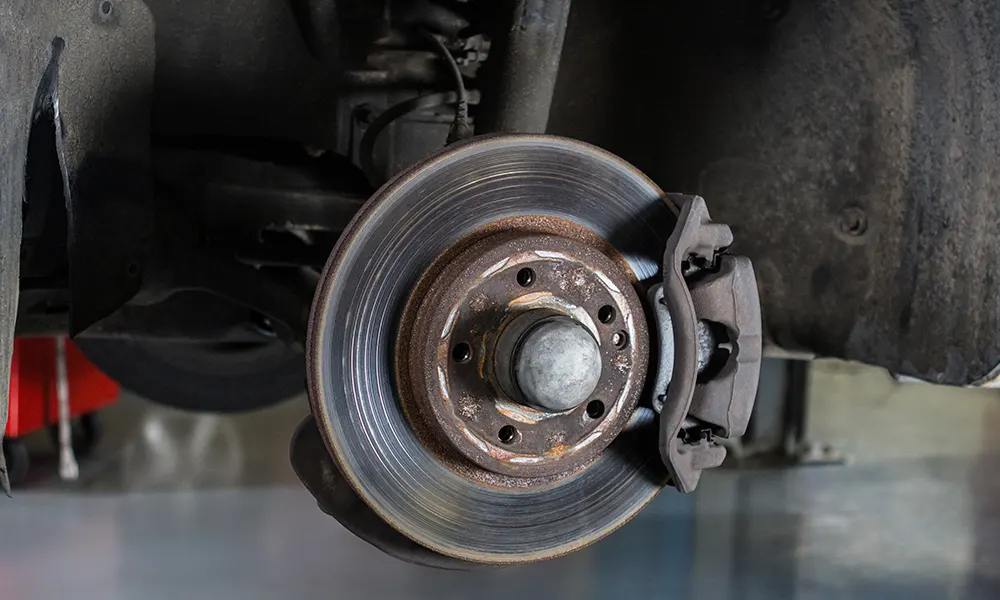
Wheel bearings are small components with a big job. They allow your wheels to rotate smoothly while supporting the weight of your vehicle.
When they fail, things go downhill fast, handling suffers, tyres wear unevenly, and safety takes a hit. Yet wheel bearing failure is often ignored until it becomes expensive or dangerous.
Knowing the warning signs early can save you serious money and keep you safe on the road.
What Are Wheel Bearings and Why Do They Matter?
Wheel bearings sit inside the wheel hub and reduce friction as your wheels spin. They’re designed to last a long time, but they’re not invincible.
Once damaged, they compromise steering stability, braking efficiency, and overall car safety issues.
In Australia, rough roads, heat, water exposure, and long-distance driving accelerate wear, especially if servicing is delayed.
Common Causes of Wheel Bearing Failure
Here are the common causes of wheel bearing failure:
1. Normal Wear and Tear
Over time, bearings wear out naturally. High-mileage vehicles are more prone to failure, especially if they haven’t been serviced regularly.
2. Water and Dirt Contamination
Driving through flooded roads or muddy conditions can allow moisture to seep into the bearing, washing away lubrication and causing corrosion.
3. Poor Installation or Low-Quality Parts
Incorrect fitting or cheap replacement bearings often fail early. Precision matters here; this isn’t a DIY corner-cutting job.
4. Impact Damage
Hitting potholes, kerbs, or debris can damage bearings instantly. Even one hard impact can shorten their lifespan.
Warning Signs of Bad Wheel Bearings
Ignoring early symptoms is how minor issues turn into major repairs. Here’s what to watch for:
Unusual Wheel Noise
The most common sign is a humming, grinding, or growling noise that increases with speed. If the sound changes when you turn, that’s a big red flag for bad wheel bearings.
Steering Wheel Vibration
Worn bearings cause vibrations that worsen at higher speeds. If your steering feels shaky or unstable, don’t brush it off.
Uneven Tyre Wear
Failing bearings affect wheel alignment, leading to rapid and uneven tyre wear. That’s money literally burning off your tyres.
ABS or Traction Control Warning Lights
Modern vehicles rely on accurate wheel speed data. A damaged bearing can trigger dashboard warnings tied to safety systems.
Loose or Wobbly Wheels
In severe cases, bearings allow excessive wheel movement. This is extremely dangerous and should be addressed immediately.
Why You Should Never Ignore Bearing Problems
Driving with wheel noise symptoms isn’t just annoying; it’s risky.
A completely failed bearing can cause the wheel to lock up or separate from the hub. That’s not a “pull over later” situation; that’s a serious safety hazard.
Delaying bearing replacement often leads to:
- Damaged wheel hubs
- ABS sensor failure
- Increased repair costs
- Reduced vehicle control
In short, waiting costs more.
How Mechanics Diagnose Wheel Bearing Issues
Professional mechanics don’t guess; they test.
A proper inspection includes:
- Road testing to identify noise patterns
- Lifting the vehicle to check wheel play
- Using diagnostic tools to isolate the faulty bearing
- Inspecting hubs, brakes, and suspension for related damage
At Car One, technicians perform detailed checks to confirm the exact source of the problem, no guesswork, no unnecessary replacements.
How Wheel Bearings Are Repaired or Replaced
Once diagnosed, the fix depends on the vehicle design. Some bearings are pressed into the hub, while others come as a complete hub assembly.
A quality repair involves:
- Removing the damaged bearing
- Installing manufacturer-approved components
- Torqueing to exact specifications
- Road testing for safety and noise elimination
Proper installation is critical. One mistake can shorten the lifespan of the new bearing.
How to Prevent Wheel Bearing Failure
While you can’t stop wearing entirely, you can slow it down:
- Avoid potholes and kerbs where possible
- Don’t overload your vehicle
- Address suspension or alignment issues early
- Stick to routine servicing schedules
- Act fast when you hear unusual noises
Prevention is always cheaper than repair.
When to See a Mechanic
If you notice grinding noises, steering vibration, or uneven tyre wear, don’t wait. Early diagnosis can mean a simpler, more affordable fix.
Car One provides expert inspections and professional wheel bearing replacement to keep your vehicle safe and roadworthy.
Conclusion
Wheel bearings may be out of sight, but they should never be out of mind. Ignoring early signs of wheel bearing failure can compromise safety, damage surrounding components, and lead to costly repairs.
Listening to your car and acting quickly can make all the difference.
If something sounds off, it probably is. Get it checked, fix it early, and keep your drive smooth, quiet, and safe.
FAQs
What does a failing wheel bearing sound like?
Common sounds include humming, grinding, growling, or rumbling that increase with speed. The noise often changes when turning, which helps mechanics identify the faulty side.
Is wheel bearing failure a safety risk?
Yes. A failed wheel bearing can affect steering, braking, and vehicle stability. In extreme cases, it can cause the wheel to separate from the hub, making it a serious safety hazard.
How much does wheel bearing replacement usually cost?
Costs vary depending on the vehicle type and whether the bearing is part of a hub assembly. Early replacement is always cheaper than repairing additional damage caused by delaying the fix.


