
The fuel pump delivers petrol from the tank to the engine at the correct pressure.
When it starts to fail, fuel flow becomes inconsistent, causing performance problems and reliability issues. Fuel pump failure rarely happens without warning, but many drivers miss the early signs.
Modern engines rely heavily on precise fuel delivery, so even minor fuel system issues can have noticeable effects.
Common Signs of a Failing Fuel Pump
One of the most common symptoms is engine stalling, especially at higher speeds or under load.
You may also experience difficulty starting the car, sudden loss of power, or hesitation during acceleration.
A whining noise coming from the fuel tank area can indicate a struggling fuel pump. In severe cases, the engine may fail to start altogether.
Bad Fuel Pump vs Other Fuel System Issues
Not all fuel problems mean the pump is failing. Blocked fuel filters, faulty fuel pressure regulators, or injector issues can produce similar symptoms.
That’s why proper diagnosis and fuel pump testing are essential before replacing parts. Guessing often leads to unnecessary repairs.
Engine Stalling Causes Linked to Fuel Pumps
If the fuel pump cannot maintain the correct pressure, the engine may starve for fuel. This often results in sudden stalling, particularly during overtaking or climbing hills.
Stalling caused by fuel pump failure can be dangerous, especially in traffic or at highway speeds.
What Causes Fuel Pump Failure
Fuel pumps wear over time, but contamination is a major contributor. Dirty fuel, water in the tank, or running consistently on low fuel levels can overheat and damage the pump.
Electrical issues, such as failing relays or wiring faults, can also prevent the pump from operating correctly.
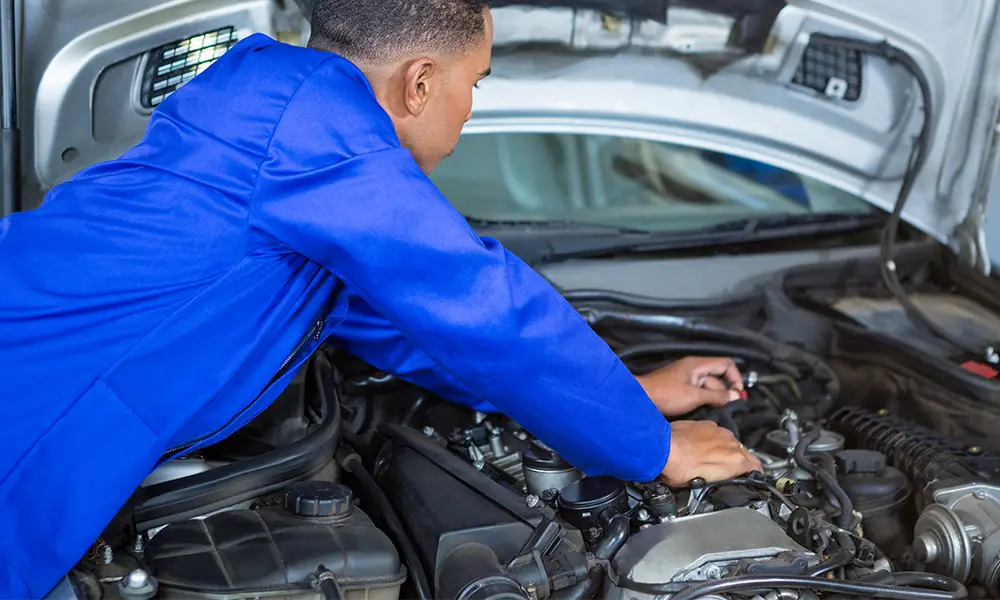
How Mechanics Diagnose Fuel Pump Problems
Professional diagnosis fuel pump testing involves checking fuel pressure, electrical supply, and pump operation.
Mechanics compare readings to manufacturer specifications to confirm whether the pump is failing.
At Car One, technicians use proper diagnostic tools to identify fuel system issues accurately, ensuring only necessary repairs are performed.
Why Ignoring Symptoms Is Costly
Continuing to drive with a bad fuel pump can cause repeated stalling, damage to injectors, and strain on the engine. What starts as a minor performance issue can quickly become a breakdown.
Early diagnosis prevents unexpected failures and reduces repair costs.
Repairing or Replacing a Fuel Pump
Fuel pump replacement depends on vehicle design.
Some pumps are accessible, while others require tank removal. Once replaced, the entire fuel system should be inspected to prevent repeat failures.
Using quality parts and proper installation is essential for long-term reliability.
Preventing Fuel System Problems
Keeping the fuel tank above a quarter full helps prevent pump overheating. Regular servicing and replacing fuel filters at recommended intervals also protects the pump.
Good fuel habits extend pump life and improve overall engine performance.
Conclusion
Fuel pump failure doesn’t happen overnight.
Recognising early warning signs like stalling, power loss, and hard starts allows you to act before a breakdown occurs.
If your car shows signs of fuel system issues, book a professional inspection with Car One today and keep your vehicle running smoothly and safely.
FAQs
1. Can a bad fuel pump cause the engine to stall?
Yes, inconsistent fuel pressure commonly causes engine stalling.
2. How long does a fuel pump usually last?
Most fuel pumps last over 150,000 kilometres with proper maintenance.
3. Is it safe to drive with a failing fuel pump?
Driving is risky, as sudden stalling can occur without warning.
4. Can low fuel levels damage the fuel pump?
Yes, running low regularly can overheat and wear the pump.
5. Do fuel pump issues trigger warning lights?
Sometimes, but not always. Many failures occur without warning lights.


