
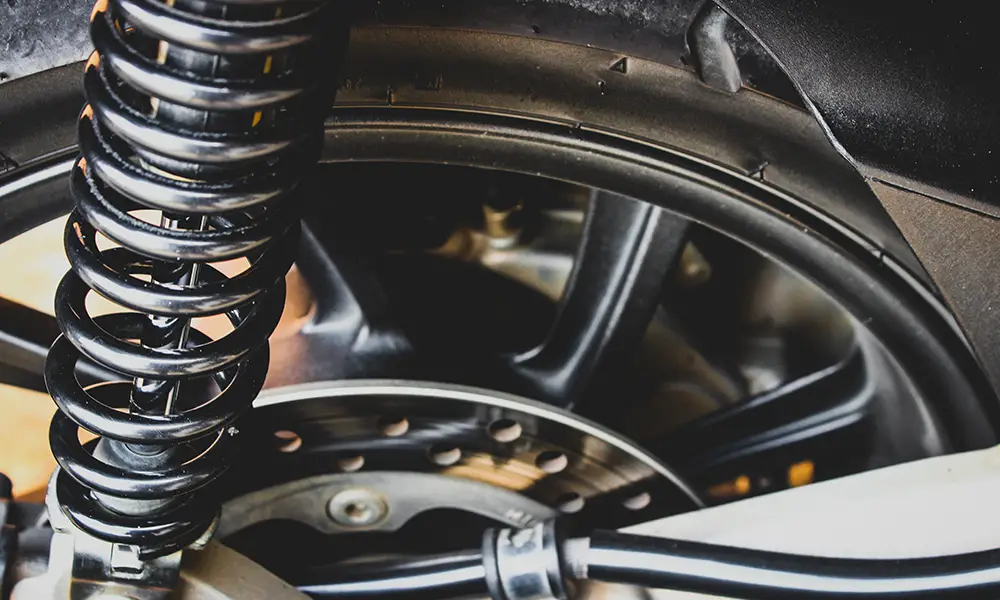
Shock absorbers are a crucial part of your car’s suspension system, yet they are often overlooked until problems become serious.
They control the up-and-down movement of your wheels, keep your tyres in contact with the road, and make driving safe and comfortable. When shock absorbers start failing, it can affect handling, braking, and even increase wear on other vehicle components.
Recognising the early signs can save you money, prevent accidents, and ensure a smooth ride.
1. Excessive Bouncing After Hitting Bumps
One of the most obvious signs of shock absorbers failing is excessive bouncing after driving over bumps or potholes. If your car continues to bounce or sway long after you’ve passed a bump, your shocks are not absorbing the energy as they should.
This constant movement reduces tyre contact with the road, affecting grip and stability. Drivers often notice that even small bumps make the vehicle feel unstable. This symptom is sometimes referred to as car bouncing, and ignoring it can compromise your safety. A full suspension service will restore smooth movement and control, ensuring your car reacts properly to road conditions.
2. Nose-Diving When Braking
When you brake hard, a vehicle with worn shock absorbers may nose-dive forward. This is because the shocks can no longer properly resist the forward weight transfer during braking.
Nose-diving is more than just an uncomfortable sensation, it directly impacts stopping distance and can be dangerous in emergency situations. Mechanics recommend checking your shocks if you notice your car dipping noticeably when coming to a stop.
Replacing failing shocks restores stability and ensures your brakes perform as intended.
3. Uneven Tyre Wear
Tyres are designed to maintain consistent contact with the road, but bad shocks symptoms can cause uneven wear. You might notice cupping, scalloping, or bald patches developing prematurely.
Uneven tyre wear not only shortens the life of your tyres but also indicates that your suspension is not distributing weight evenly.
A professional suspension service will assess your shocks and related components, preventing further tyre damage and improving vehicle safety.
4. Fluid Leaks on Shock Absorbers
Shock absorbers are hydraulic, meaning they rely on fluid to dampen motion. If you notice oil or fluid leaks around your shocks, it’s a clear warning sign that they are failing.
Leaking shocks cannot control suspension movement properly, which leads to poor handling, longer braking distances, and uneven ride quality.
Even if your car appears to drive normally, hidden leaks can compromise safety over time. A thorough vehicle inspection can detect leaks and prevent further deterioration.
5. Poor Handling or Instability on Turns
Another common indicator of worn shocks is poor handling, especially when cornering. The vehicle may lean excessively, sway, or feel unpredictable on bends.
This loss of stability is particularly noticeable during wet or slippery conditions. Shock absorbers failing reduce the car’s ability to stay firmly planted, increasing the risk of accidents.
Scheduling a suspension service ensures your vehicle maintains proper handling and keeps every turn controlled.
6. Increased Stopping Distance
If you feel your braking distance has grown longer than usual, it could be due to failing shocks. Because shock absorbers help keep tyres in contact with the road, worn shocks reduce traction during braking.
This is particularly concerning in emergency stops, where every centimetre counts. Mechanics emphasise that even slight deterioration in shock performance can compromise braking efficiency.
Replacing worn shocks improves stopping power and overall vehicle safety.
7. Rattling or Knocking Noises
Strange noises such as rattling, clunking, or knocking when driving over bumps are common signs that shock absorbers are struggling. These sounds often indicate internal wear or damage to mounts and bushings.
A full suspension service will identify the source of these noises and address it before it causes further damage. Ignoring these sounds may lead to more expensive repairs down the line, so it’s essential to act promptly.
8. Visible Damage or Rust
Physical damage to shocks, such as dents, corrosion, or bent mounts, is a strong indicator that replacement is needed. Rust can compromise the structural integrity of the shocks, reducing their effectiveness.
Even if the car drives seemingly fine, damaged or corroded shocks cannot perform as intended. A vehicle checkup allows mechanics to inspect all suspension components and recommend replacements where necessary, restoring safety and performance.
9. Vehicle Sways During Windy Conditions
If your car reacts excessively to crosswinds or passing vehicles, it may be due to failing shock absorbers. Healthy shocks stabilise the vehicle, while worn ones make it prone to swaying.
This instability is more than an annoyance; it increases the risk of losing control in challenging conditions. By booking a suspension service, you can restore proper damping, reduce swaying, and maintain confidence in all weather conditions.
10. Driver Fatigue or Uncomfortable Ride
Finally, one of the more subtle signs is driver fatigue due to constant vibration and bouncing. A car that doesn’t absorb bumps well makes long journeys uncomfortable and tiring.
Poor ride comfort not only affects your comfort but also signals that the shocks are not functioning properly. Regular inspections and maintenance help identify worn shocks early, ensuring your car delivers a smooth and stable ride every time.
Final Thoughts
Ignoring the signs of shock absorbers failing may seem harmless at first, but even minor issues can quickly escalate into serious safety risks.
Regular inspections and timely replacements keep your vehicle stable, responsive, and comfortable to drive.
If you notice bad shocks symptoms, car bouncing, or any of the warning signs discussed, it’s best to book suspension service today and maintain peace of mind on every journey.
Faqs
How often should I have my shock absorbers checked?
Mechanics recommend inspecting shocks every 12–15,000 miles or at least once a year, especially if you frequently drive on rough roads. Early detection prevents unsafe bouncing and uneven tyre wear.
Can worn shocks affect other parts of my car?
Yes, failing shocks can strain suspension components, steering, brakes, and tyres. Addressing worn shocks early avoids costly repairs to related systems.
Is it safe to drive with partially worn shocks?
Even partially worn shocks reduce stability and braking efficiency. For your safety, it’s best to schedule a suspension service before minor issues become dangerous.
Can I replace only one shock absorber, or should all be replaced at once?
Mechanics usually recommend replacing shocks in pairs (front or rear) to maintain balanced handling and consistent ride quality. Replacing just one can cause uneven performance.
How long does a shock absorber replacement take?
Most shock replacements take 1–3 hours depending on the vehicle and type of shocks. Full suspension inspections may take longer but ensure your car is safe and fully stable.


