
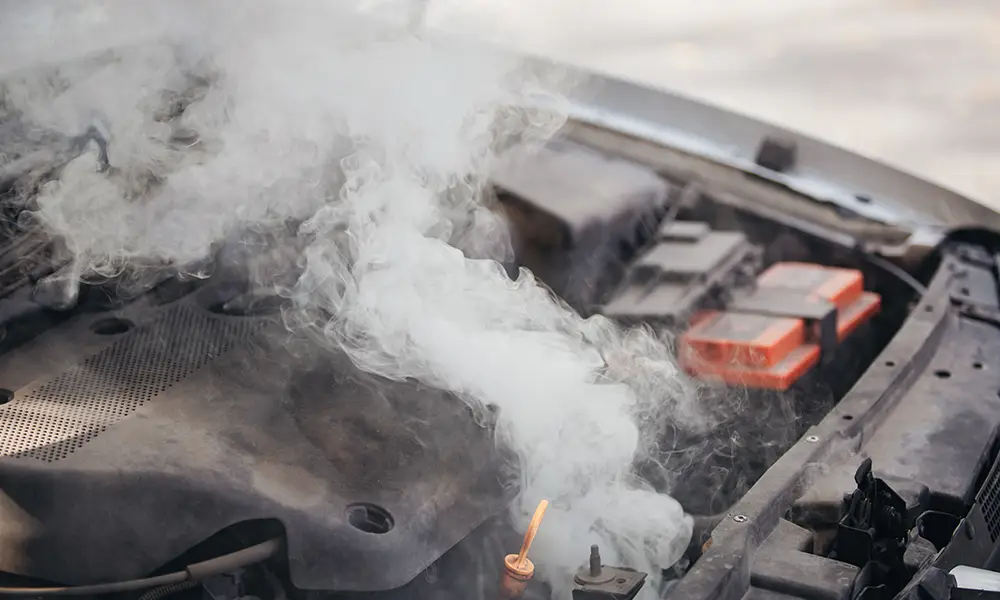
Engine overheating is one of the most dangerous problems a vehicle can experience.
When an engine runs hotter than designed, internal components expand beyond safe limits, leading to rapid wear or sudden failure.
In Australian driving conditions, high temperatures, traffic congestion, and long-distance driving place extra strain on cooling systems.
Ignoring car’s overheating can turn a simple repair into severe engine damage within minutes.
Common Overheating Symptoms to Watch For
Recognising overheating symptoms early can save thousands in repair costs. The most obvious sign is the temperature gauge climbing toward the red zone. Some vehicles display warning messages or dashboard lights instead.
Other symptoms include steam from under the bonnet, a burning smell, reduced engine power, knocking noises, or coolant leaking onto the ground. If the air coming from the heater suddenly becomes very hot, this can also indicate rising engine temperature.
Why Cars Overheat
Car overheating usually occurs when the cooling system cannot regulate engine temperature. Low coolant levels are one of the most common causes, often due to leaks in hoses, the radiator, or the water pump.
Other cooling system issues include a stuck thermostat, blocked radiator, failed cooling fan, or contaminated coolant that can no longer absorb heat effectively. In some cases, overheating is linked to internal engine problems such as head gasket failure.
Understanding Cooling System Issues
The cooling system works by circulating coolant through the engine and radiator to remove heat. When any part of this system fails, heat builds up quickly.
Cracked hoses, corroded radiators, worn water pumps, or electrical fan faults disrupt coolant flow. Regular inspections are critical, as many of these issues develop gradually and are not obvious until overheating occurs.
What to Do If Your Engine Starts Overheating
If you notice engine overheating while driving, reduce engine load immediately. Turn off the air conditioning and turn the heater on full to help draw heat away from the engine.
If the temperature continues to rise, pull over safely and switch the engine off. Do not open the radiator cap while the engine is hot, as pressurised coolant can cause serious burns. Allow the engine to cool before checking coolant levels.
When You Must Stop Driving
Driving an overheating car is extremely risky. If steam is visible or the temperature gauge is in the red, stop driving immediately. Continuing even a short distance can warp cylinder heads, damage pistons, or destroy the engine completely.
Towing is always cheaper than engine replacement.
How Mechanics Diagnose Overheating
Professional diagnosis includes pressure testing the cooling system, checking coolant condition, inspecting hoses, testing the thermostat, and confirming fan operation.
At Car One, technicians identify the root cause of overheating rather than applying temporary fixes, ensuring long-term reliability.
Preventing Engine Overheating
Routine servicing is the best prevention. Coolant should be replaced at recommended intervals, hoses inspected, and cooling fans tested regularly.
Preventive maintenance helps catch small cooling system issues before they cause overheating.
Conclusion
Engine overheating is never something to ignore. Early recognition of overheating symptoms and prompt action can prevent severe engine damage.
If your car is overheating or showing warning signs, book a professional inspection today and protect your engine before costly repairs are required.
FAQs
1. Can I keep driving if my car is overheating?
No, driving while overheating can cause immediate engine damage.
2. What is the most common cause of engine overheating?
Low coolant levels due to leaks are the most common cause.
3. Is steam always a sign of overheating?
Yes, steam usually indicates coolant boiling or escaping.
4. Can overheating damage the engine permanently?
Yes, overheating can warp components and destroy engines.
5. How often should coolant be checked?
Coolant should be checked during regular servicing or sooner if issues appear.


