Whether you’re buying a new vehicle, planning a long road trip, or just keeping your car in top condition, a full vehicle inspection is essential.
Regular inspections not only ensure car safety but can save you money by catching small problems before they become big ones.
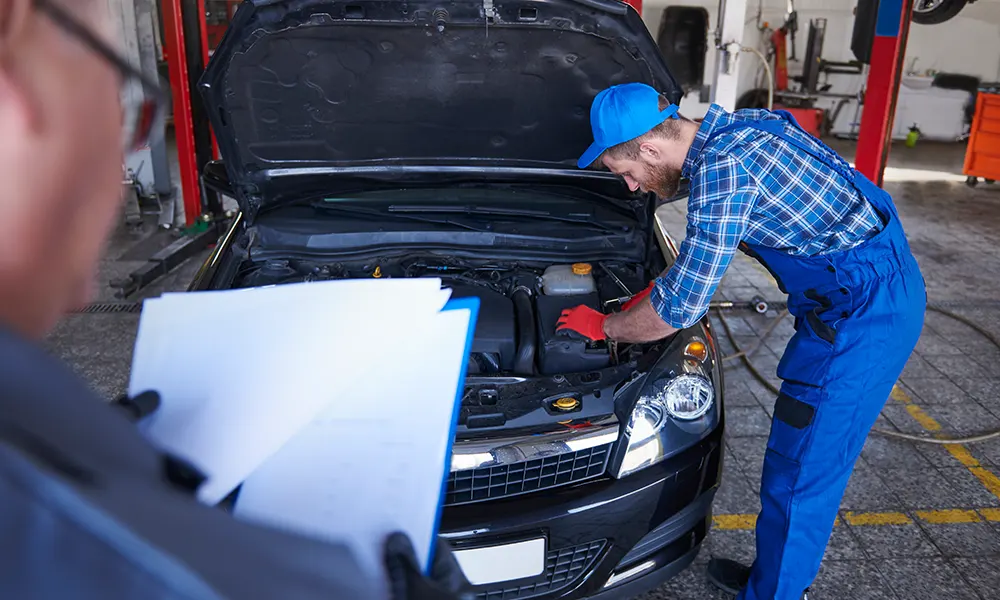
At Car One, our mechanics follow a detailed inspection checklist to give you a clear picture of your vehicle’s health. Here’s what happens during a comprehensive car inspection.
Why a Full Car Inspection Matters
A full inspection goes beyond a quick visual check. It evaluates every major system in your vehicle, including brakes, suspension, engine, electrical components, and fluids. The benefits include:
- Detecting early signs of wear and tear
- Improving vehicle safety
- Avoiding costly breakdowns
- Maintaining resale value
It’s not just about compliance, it’s about confidence on the road.
Step 1: Exterior and Body Check
The inspection begins with a thorough examination of your car’s exterior.
Mechanics check for:
- Body damage or rust
- Condition of paintwork
- Lights, indicators, and reflectors
- Windscreen cracks and wiper functionality
These may seem cosmetic, but exterior issues can impact visibility, safety, and the long-term health of the vehicle.
Step 2: Tyres and Wheels
Tyres are your car’s only contact with the road.
During the inspection:
- Tyre tread depth and wear patterns are checked
- Tyre pressure is measured
- Wheels are examined for cracks or damage
- The spare tyre and jack are inspected
Uneven tyre wear can indicate alignment or suspension problems, which can affect handling and fuel efficiency.
Step 3: Brakes and Suspension
Brake and suspension systems are safety-critical.
Mechanics assess:
- Brake pads, discs, and fluid levels
- Suspension components such as shocks, struts, and bushings
- Steering performance and power steering fluid
This ensures your vehicle stops efficiently and rides smoothly, particularly on highways or long trips.
Step 4: Engine and Transmission
The heart of your car gets special attention.
Inspectors look for:
- Fluid levels (engine oil, coolant, transmission fluid)
- Leaks or unusual noises
- Belts and hoses
- Engine performance and idle behaviour
Transmission checks include fluid condition and smooth gear engagement; problems here can be costly if ignored.
Step 5: Electrical Systems
Modern cars rely heavily on electronics.
Mechanics test:
- Battery health and terminals
- Lights and indicators
- Dashboard warning lights
- Keyless entry, horn, and infotainment systems
Electrical failures can range from annoying to dangerous, especially if they affect safety features.
Step 6: Exhaust and Emissions
The exhaust system and emission controls are inspected for:
- Leaks or damage
- Proper mounting and alignment
- Compliance with emission standards
A well-maintained exhaust reduces harmful emissions and keeps your vehicle running efficiently.
Step 7: Interior and Safety Equipment
Your car’s interior is more than comfort, it’s safety.
Inspectors check:
- Seatbelts and airbags
- Horn and mirrors
- Seat adjustments and locks
- Cabin condition, including HVAC performance
This ensures both driver and passenger safety, as well as overall comfort.
Step 8: Road Test
Finally, a mechanic conducts a road test. This real-world check can reveal issues not obvious during stationary inspections:
- Steering feel and alignment
- Brake responsiveness
- Transmission shifts
- Engine performance at different speeds
It’s the ultimate test to confirm your car is in good working order.
How Car One Performs Inspections
At Car One, we follow a structured inspection checklist that covers every system of your vehicle. Our technicians provide a detailed report highlighting:
- Immediate safety concerns
- Recommended maintenance
- Long-term service advice
This gives you confidence that your car is road-ready, reliable, and safe for everyday use.
Conclusion
A full vehicle inspection isn’t just for new cars or road trips; it’s a proactive step in maintaining safety, performance, and value.
By following a thorough mechanical assessment, you can identify issues early, reduce costly repairs, and enjoy peace of mind on every drive.
Book your inspection and make sure your vehicle is performing at its best.
FAQs
How long does a full vehicle inspection take?
Most full inspections take between 60 and 90 minutes, depending on the vehicle and its condition. More complex issues may require additional diagnostic time.
Is a full car inspection the same as a regular service?
No. A regular service focuses on routine maintenance, while a full inspection is a detailed assessment of all major systems to identify current and potential issues.
Will I receive a report after the inspection?
Yes. Car One provides a detailed inspection report outlining safety concerns, recommended repairs, and preventative maintenance to help you make informed decisions.
Can a full inspection prevent breakdowns?
Yes. Identifying worn or failing components early significantly reduces the risk of unexpected breakdowns and costly repairs.