
An engine misfire isn’t subtle. Your car may shake, lose power, hesitate during acceleration, or sound like it’s running on half a brain cell.
While it might seem harmless at first, ignoring an engine misfire can lead to serious damage and a much bigger repair bill.
Understanding the causes and knowing how mechanics diagnose the issue helps you act fast and protect your engine.
What Is an Engine Misfire?
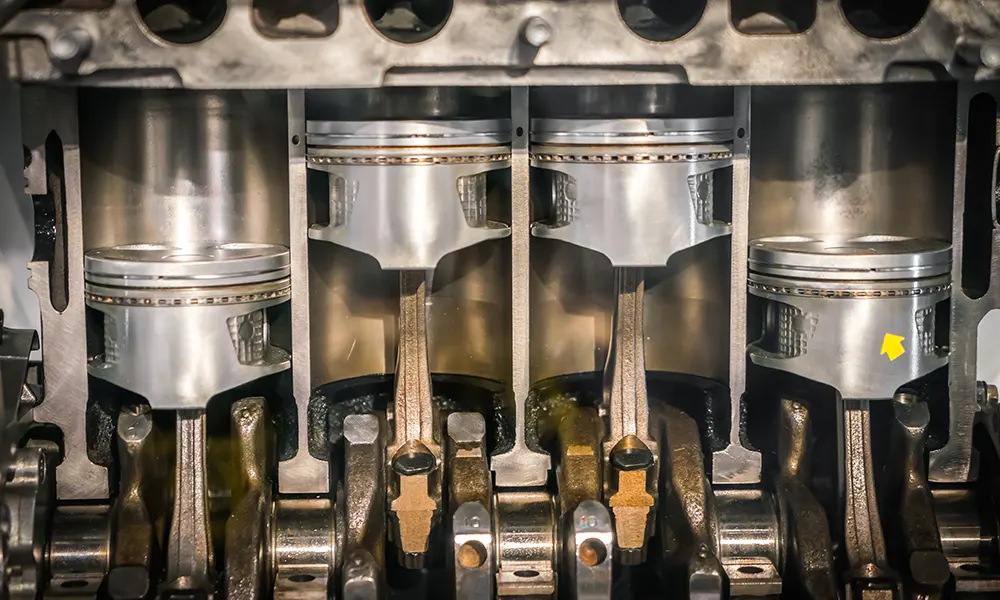
An engine misfire occurs when one or more cylinders fail to fire properly. This disrupts the combustion process, causing uneven engine performance.
Modern vehicles are designed to detect misfires early, often triggering the check engine light before things spiral.
Misfires can be occasional or constant, but either way, they’re a sign that something isn’t right.
Common Causes of Engine Misfires
Here are the common causes of engine misfires
1. Ignition System Issues
The ignition system is a top culprit. If the spark doesn’t fire correctly, combustion fails.
Common ignition issues include:
- Worn or fouled spark plugs
- Faulty ignition coils
- Damaged spark plug leads
These parts wear out over time and are among the most frequent misfire causes mechanics see.
2. Fuel System Problems
Your engine needs the right amount of fuel at the right time. When that balance is off, misfires happen.
Typical fuel system problems include:
- Blocked fuel injectors
- Dirty fuel filters
- Weak fuel pump pressure
Poor-quality fuel can also accelerate injector issues.
3. Air Intake or Vacuum Leaks
Engines rely on precise air-to-fuel ratios. Cracked hoses or leaking intake components introduce excess air, throwing off combustion and causing misfires, especially at idle.
4. Sensor Failures
Modern engines rely on sensors to manage timing and fuel delivery. Faulty oxygen sensors, crankshaft sensors, or mass airflow sensors can feed incorrect data and trigger misfires.
5. Low Engine Compression
More serious causes include worn piston rings, damaged valves, or head gasket issues. These mechanical faults prevent proper combustion and usually require extensive repairs.
Symptoms You Should Never Ignore
An engine misfire doesn’t always feel the same, but common warning signs include:
- Rough idling or shaking
- Hesitation during acceleration
- Loss of power
- Increased fuel consumption
- Strong fuel smell from the exhaust
- Flashing check engine light
A flashing warning light means the misfire is severe and could damage your catalytic converter. That’s a pull-over-now situation.
How Mechanics Diagnose Engine Misfires
Diagnosing misfires isn’t guesswork; it’s a methodical process.
Professional mechanics typically:
- Scan diagnostic codes using OBD tools
- Identify which cylinder is misfiring
- Inspect ignition components
- Test fuel injectors and fuel pressure
- Check for vacuum leaks
- Perform compression tests if needed
At Car One, technicians use advanced diagnostic equipment to pinpoint the root cause accurately, saving time, money, and unnecessary part replacements.
Why Driving With a Misfire Is Risky
Continuing to drive with a misfire can cause:
- Catalytic converter damage
- Increased emissions
- Engine overheating
- Poor fuel efficiency
- Long-term engine wear
What starts as a minor fault can quickly escalate into a major engine repair.
How Engine Misfires Are Fixed
The repair depends entirely on the cause. Common fixes include:
- Replacing spark plugs or ignition coils
- Cleaning or replacing fuel injectors
- Repairing vacuum leaks
- Replacing faulty sensors
- Addressing internal engine issues
Early intervention often means a simple, affordable fix. Delay usually means the opposite.
Preventing Engine Misfires
While some failures are unavoidable, you can reduce your risk by:
- Following regular service intervals
- Using quality fuel
- Replacing spark plugs on schedule
- Addressing warning lights immediately
- Fixing minor performance issues early
Preventative maintenance keeps your engine running smoothly and efficiently.
When to Book a Professional Inspection
If your car feels rough, loses power, or triggers the check engine light, don’t ignore it. A fast diagnosis can prevent serious damage.
Car One provides expert misfire diagnosis and engine troubleshooting using industry-grade diagnostic tools.
Book an inspection and get your engine running properly again.
FAQs
What is the most common cause of an engine misfire?
The most common causes are worn spark plugs, faulty ignition coils, and fuel injector problems. These components wear over time and are frequently found during misfire diagnostics.
Can a misfire fix itself?
In rare cases, a temporary issue may clear, but most misfires indicate an underlying problem. Ignoring it often leads to worsening performance and more expensive repairs.
How do mechanics diagnose which cylinder is misfiring?
Mechanics use OBD diagnostic scanners to read fault codes, identify the affected cylinder, and then test ignition, fuel, air intake, and compression to pinpoint the exact cause.
How much does it cost to diagnose an engine misfire?
Diagnostic costs vary depending on the vehicle and fault complexity. Early diagnosis is usually affordable, while delayed repairs can lead to major engine damage and higher costs.


