
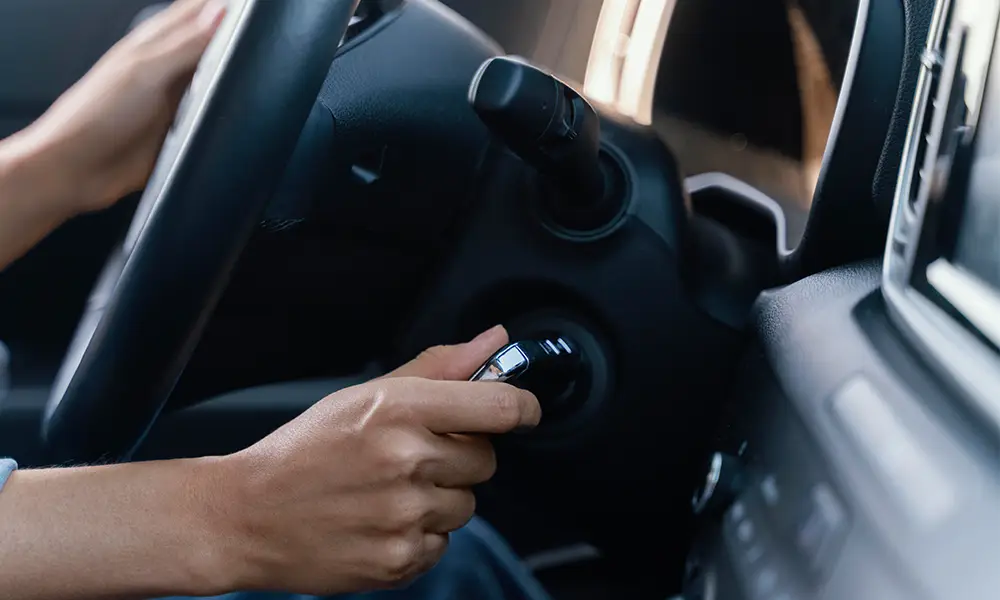
A car not starting can happen at the worst possible time. While it may seem sudden, most starting issues develop gradually.
Modern vehicles rely on electrical, mechanical, and electronic systems working together.
When one component fails, the entire starting process is affected.
Why Car Starting Problems Are So Common
Australian driving conditions, short trips, and stop-start traffic can place extra strain on batteries and starter systems, making starting issues more common than many drivers expect.
Dead Battery
A dead battery is the most common cause of a car not starting. Batteries lose charge over time, especially if the vehicle is driven infrequently or for short distances.
Common signs include clicking sounds, dim dashboard lights, or no response when turning the key. Jump-starting may work temporarily, but repeated failures indicate the battery needs proper testing or replacement.
Starter Motor Issues
If the battery is healthy but the engine will not crank, starter motor issues are often to blame. The starter motor physically turns the engine over when you start the car.
Symptoms include a single click, grinding noises, or intermittent starting. Starter motors wear internally and can fail without much warning, particularly in higher mileage vehicles.
Ignition Problems
Ignition problems prevent electrical power from reaching the starter system. Faulty ignition switches, worn key barrels, or immobiliser faults can stop the engine from starting altogether.
If dashboard lights come on but nothing happens when you turn the key, ignition-related faults are likely. These issues usually require professional diagnosis, as symptoms can mimic battery or starter failures.
Fuel System Issues
An engine needs fuel to start. If the fuel pump is failing or fuel pressure is insufficient, the engine may crank but not fire.
You may notice extended cranking times, rough starts, or stalling shortly after the engine starts. Fuel-related starting issues are more common in older vehicles or those regularly driven on very low fuel levels.
Sensor and Computer Faults
Modern cars rely on sensors and control modules to manage starting. Faulty crankshaft sensors, immobiliser faults, or engine control unit issues can prevent the engine from starting even when mechanical components are working correctly.
These faults often trigger warning lights and require diagnostic scanning to identify accurately.
Alternator Problems
If the alternator is not charging the battery properly, the battery may go flat repeatedly. This creates ongoing starting issues that seem inconsistent.
Warning signs include dim headlights, warning lights, or electrical systems behaving erratically. Alternator testing is essential when battery problems keep returning.
Loose or Corroded Connections
Corroded battery terminals, loose earth straps, or damaged wiring can interrupt power flow. These issues are often overlooked but can completely stop a car from starting.
Because these faults can be intermittent, they often require a thorough inspection to identify.
How Mechanics Diagnose Starting Issues
Professional diagnosis begins with battery and charging system testing. Mechanics then inspect the starter motor, ignition system, and wiring before performing electronic diagnostics.
At Car One, technicians follow a structured process to identify the root cause of starting issues, ensuring repairs are accurate and effective.
Why Early Diagnosis Matters
Ignoring starting problems often leads to complete failure. What starts as slow cranking can quickly turn into a no-start situation.
Early diagnosis reduces repair costs and prevents inconvenient breakdowns.
Conclusion
A car not starting is usually caused by battery issues, starter motor problems, ignition faults, or electrical failures. Identifying the cause early saves time, money, and stress.
If your car is struggling to start or has left you stranded, book a professional inspection today and get reliable starting performance back.
FAQs
1. Is a dead battery always the reason a car will not start?
No, starter, ignition, fuel, or electrical faults can cause the same issue.
2. Can a car have power but still not start?
Yes, ignition or starter motor problems can prevent starting.
3. How long does a car battery usually last?
Most batteries last between three and five years.


