
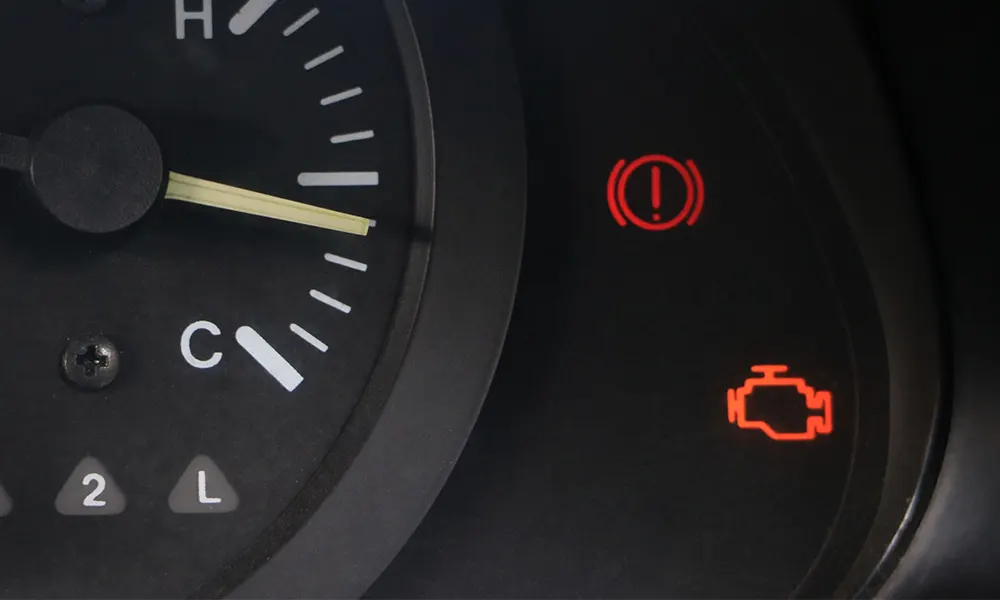
There’s nothing like seeing that little check engine light pop up on your dashboard to ruin your day.
While sometimes it’s a minor issue, ignoring it can lead to serious engine damage, poor fuel efficiency, and costly repairs.
Understanding the common causes and how mechanics diagnose the problem can save you time, money, and stress.
What the Check Engine Light Means
The check engine light (CEL) is your car’s way of saying, “Something’s not right.”
Modern vehicles have sensors that monitor the engine, exhaust, fuel system, and more. When a sensor detects an issue outside normal parameters, the CEL illuminates.
It may be:
- Solid (steady light): non-urgent but needs attention soon
- Flashing: urgent, stop driving if possible
Common Reasons the Check Engine Light Turns On
Here are the common reasons to check if the engine light turns on:
1. Faulty Oxygen Sensor
The oxygen sensor monitors exhaust emissions. A failing sensor affects fuel efficiency and emissions, and triggers the CEL.
2. Loose or Damaged Fuel Cap
Believe it or not, a loose fuel cap can cause the CEL to come on. It affects fuel system pressure and emissions.
3. Malfunctioning Catalytic Converter
The catalytic converter reduces harmful emissions. When it fails, your vehicle may lose power and produce more pollution.
4. Ignition System Problems
Bad spark plugs, coils, or wires can cause engine misfires, poor acceleration, and trigger the warning light.
5. Mass Airflow Sensor Issues
This sensor measures the air entering the engine for optimal combustion. Faulty readings lead to rough idling, poor performance, and a CEL.
6. Vacuum Leaks
Cracked hoses or intake leaks upset the air-fuel mixture and often illuminate the light.
Other Less Common Causes
- Exhaust gas recirculation (EGR) valve problems
- Transmission issues
- Sensor or wiring faults
Even minor issues can trigger the CEL, so it’s best not to ignore it.
How Mechanics Diagnose the Problem
Modern vehicles store diagnostic trouble codes (DTCs). Mechanics use a scan tool to read these codes and pinpoint the issue.
A professional check typically involves:
- Reading engine codes
- Inspecting ignition, fuel, and emission systems
- Checking sensors, hoses, and wiring
- Performing road tests for performance issues
At Car One, our technicians provide accurate engine troubleshooting and ensure the root cause is fixed, not just the symptom.
Risks of Ignoring the Check Engine Light
- Reduced fuel efficiency
- Engine misfires and poor performance
- Catalytic converter damage
- Increased repair costs
- Potential roadside breakdown
A flashing CEL is especially dangerous and can indicate immediate engine damage.
What to Do When the Light Comes On
- Don’t panic, but don’t ignore it.
- Check basic things like the fuel cap.
- Book a professional inspection if the light persists.
Preventing Check Engine Issues
- Follow scheduled servicing
- Use quality fuel
- Replace spark plugs and filters on time
- Address dashboard warnings promptly
Preventative care reduces the likelihood of CEL triggers and expensive repairs.
Why Choose Car One
Car One offers expert engine diagnostics and repairs to identify and fix the cause of your check engine light. Using professional diagnostics, our technicians restore performance, safety, and efficiency.
Book a check for peace of mind on the road
FAQs
What should I do if my check engine light is flashing?
A flashing check engine light indicates a serious problem, often an engine misfire. Stop driving if safe and have a mechanic inspect your car immediately to prevent damage.
Can a loose fuel cap trigger the check engine light?
Yes. A loose or damaged fuel cap can cause fuel system pressure issues and trigger the CEL. Always check and tighten the cap first.
How long can I drive with the check engine light on?
If the light is steady, you can drive short distances, but it should be checked as soon as possible. If it’s flashing, avoid driving and get professional help immediately.
Will DIY fixes turn off the check engine light?
Sometimes, minor issues like a loose fuel cap or a battery reset may temporarily turn off the light. However, persistent or serious problems require professional diagnostics to fix the root cause.
How do mechanics diagnose check engine light issues?
Mechanics use diagnostic scan tools to read trouble codes stored in the car’s computer. They then inspect ignition, fuel, emission, and sensor systems to identify the exact cause and recommend repairs.


