
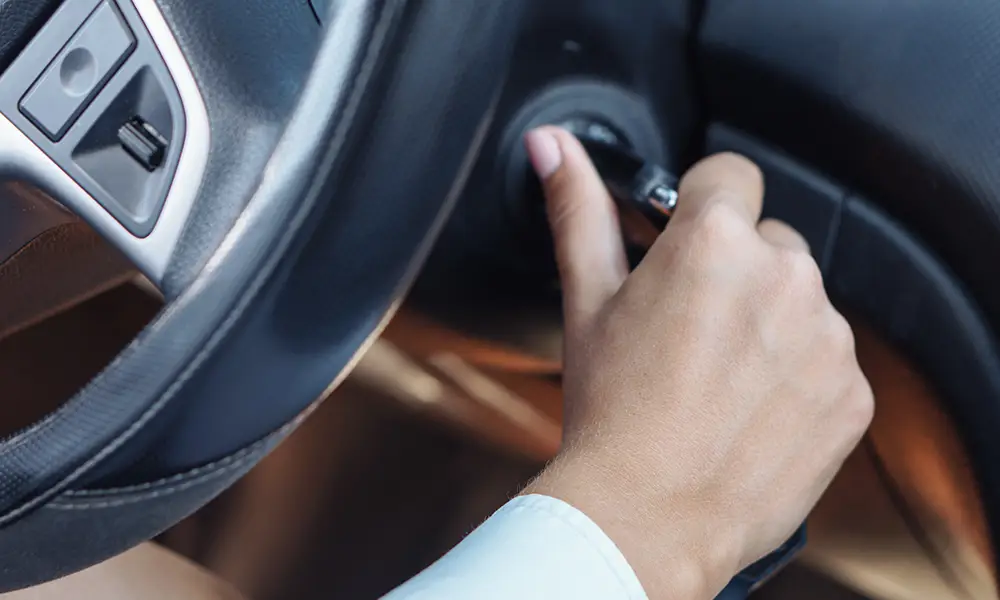
You’re ready to leave, plans are set, and suddenly your car refuses to start.
If your car won’t start in the morning, you’re not alone. This is one of the most common problems mechanics see, and in most cases, there’s a clear explanation behind it.
Morning starting issues often point to underlying problems that become more noticeable after your car has been sitting idle overnight. Understanding the cause can help you avoid repeated breakdowns, wasted time, and unexpected repair costs.
Why Morning Starting Problems Are So Common
When your car sits overnight, several systems cool down, electrical components rest, and fluids settle. Any weak component is far more likely to show symptoms at this point.
A car that starts fine later in the day but struggles in the morning is usually giving you an early warning sign. Ignoring it may leave you stranded at a much worse time.
Battery Issues: The Most Common Culprit
By far, the most common reason mechanics find is battery issues.
Car batteries naturally weaken over time. If yours is ageing, partially discharged, or damaged, it may not have enough power after sitting overnight. You might notice:
- Clicking sounds when turning the key
- Dim dashboard lights
- The engine cranking slowly or not at all
Short trips, infrequent driving, or leaving lights or electronics on can make this worse. Even if the car starts fine later in the day, a weak battery often fails first thing in the morning.
This is why a battery check is always the first step.
Loose or Corroded Battery Connections
Sometimes the battery itself is fine, but the power isn’t reaching the engine properly. Corrosion on the terminals or loose battery cables can block the electrical flow.
This often shows up as:
- Intermittent starting problems
- Power cutting in and out
- Car starting some mornings but not others
Mechanics regularly find that a simple clean or tightening solves what feels like a major problem.
Starter Motor Problems
If the battery is healthy but the engine still won’t turn, the starter motor could be at fault.
The starter works hardest during cold starts. When it begins to fail, it may:
- Click repeatedly without turning the engine
- Work occasionally, then stop altogether
- Struggle more after the car has been parked overnight
Starter motor issues are often mistaken for battery failure, which is why proper diagnosis matters.
Ignition System Faults
A car battery or ignition problem can also prevent morning starts.
Common ignition-related issues include:
- Worn spark plugs
- Faulty ignition coils
- Ignition switch problems
In colder conditions, weak spark components struggle to ignite the fuel-air mixture. Over time, the problem worsens until the car simply refuses to start in the morning.
Fuel Delivery Issue
If your car cranks but doesn’t fire up, fuel may not be reaching the engine correctly.
Mechanics often trace this to:
- Failing fuel pumps
- Blocked fuel filters
- Faulty fuel pressure regulators
When fuel pressure drops overnight, the engine may need longer cranking or may not start at all.
Sensor Problems Affecting Cold Starts
Modern cars rely heavily on sensors to manage cold starts. If a sensor sends incorrect data, the engine control unit can miscalculate fuel or air levels.
Common culprits include:
- Coolant temperature sensor
- Mass airflow sensor
- Crankshaft position sensor
These faults don’t always trigger warning lights straight away, which makes them easy to overlook.
Engine Oil That’s Too Thick or Old
Old or incorrect engine oil thickens when cold, making it harder for the engine to turn over. This extra resistance places strain on the battery and starter motor.
If your car hasn’t had a recent service, this could be a contributing factor. Fresh oil improves lubrication and makes cold starts easier
Alternator Problems Masked as Battery Failure
If your car keeps needing jump-starts, the issue may not be the battery at all. A failing alternator won’t recharge the battery while driving.
The result?
- Car starts after charging or jump-starting
- Fails again the next morning
- Battery tests fine but keeps going flat
Why You Shouldn’t Ignore Morning Starting Problems
When your car is not starting reliably, it’s tempting to wait until it gets worse. That often leads to breakdowns at the worst possible time.
What starts as a weak battery can turn into:
- Being stranded
- Needing emergency call-outs
- Damage to the starter or electrical system
Early checks are faster, cheaper, and far less stressful.
The Hidden Safety Risk You Might be Overlooking
Many drivers don’t realise that starting problems can be linked to safety systems. Weak batteries and electrical faults can affect:
- Brake sensors
- ABS systems
- Stability control
If electrical power is inconsistent, safety features may not perform as intended. This is why mechanics often recommend checking braking systems when diagnosing electrical faults.
How Mechanics Diagnose Morning Starting Issues
A proper diagnosis doesn’t rely on guesswork. Mechanics typically:
- Test battery health and charge retention
- Inspect battery terminals and wiring
- Check starter motor performance
- Scan for fault codes
- Test alternator output
- Inspect ignition and fuel systems
This systematic approach ensures the real cause is fixed, not just the symptom.
Final Thoughts
If your car won’t start in the morning, it’s not just bad luck. It’s your vehicle telling you something needs attention. Whether it’s battery issues, ignition faults, or electrical problems, these symptoms should never be ignored.
Booking a professional inspection and brake service now can prevent bigger repairs later and ensure your car is reliable every time you turn the key.
FAQs
Can a weak battery still power lights but not start the engine?
Yes, starting the engine requires far more power than running lights.
How long does a car battery usually last?
Most car batteries last between three and five years.
Can ignition problems cause morning starting issues?
Yes, worn spark plugs or coils often struggle during cold starts.
Is it always a battery problem if my car won’t start in the morning?
No, although battery issues are most common, starter, ignition, and fuel problems can cause the same symptom.
Is it safe to keep driving with occasional starting issues?
No. Intermittent faults often worsen suddenly, leading to complete no-start situations.


