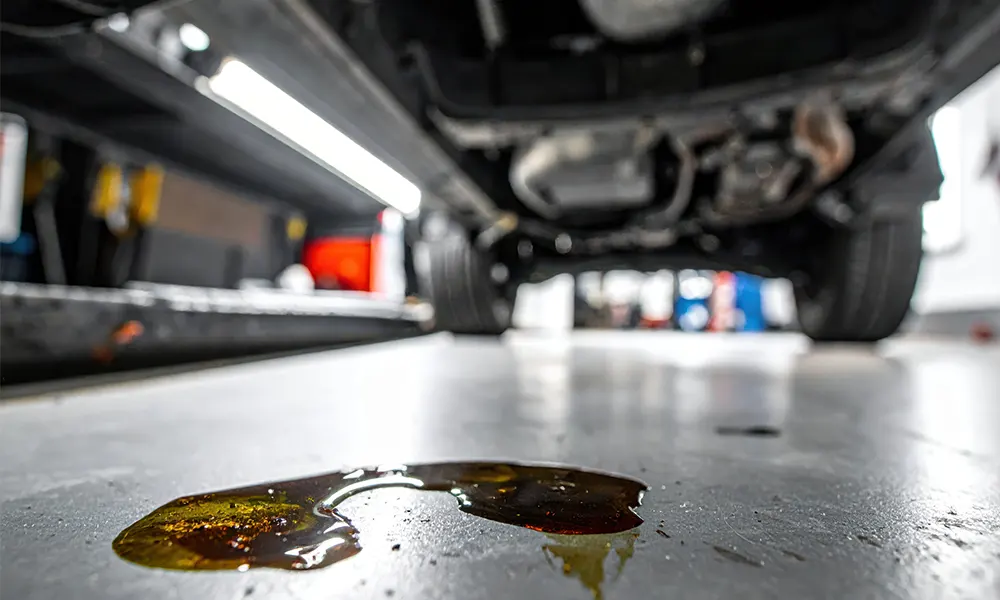
Noticing oil spots on your driveway or a burning smell while driving? A car leaking oil is one of the most common and most ignored vehicle problems.
While a small leak might not seem urgent, ignoring it can lead to serious engine damage, poor performance, and expensive repairs.
Let’s break down where oil leaks usually come from and how mechanics diagnose and fix them.
Why Engine Oil Leaks Are a Big Deal
Engine oil lubricates moving parts, reduces friction, and controls heat. When oil leaks, those protections disappear. Low oil levels can cause:
- Increased engine wear
- Overheating
- Sludge build-up
- Engine failure in severe cases
That’s why engine oil leak repair should never be delayed.
Most Common Oil Leak Points
Here are the most common oil leak points:
1. Valve Cover Gasket
One of the most frequent gasket issues is that the valve cover gasket seals the top of the engine. Over time, heat causes it to harden and crack, allowing oil to leak down the engine block.
Signs include:
- Oil smell
- Oil on the engine exterior
- Smoke from the engine bay
2. Oil Pan and Oil Pan Gasket
The oil pan sits at the bottom of the engine and is vulnerable to damage from road debris. Leaks here are often caused by:
- Worn gaskets
- Loose drain plugs
- Physical impact
This is a common source of car leaking oil complaints.
3. Oil Filter or Drain Plug
Improperly installed oil filters or loose drain plugs after a service can leak quickly. Fortunately, these are usually easy and affordable fixes when caught early.
4. Front and Rear Main Seals
These seals prevent oil from leaking where the crankshaft exits the engine. When they fail, oil loss can be significant, and repairs are more complex.
5. Timing Cover Gasket
This gasket seals the timing components. Leaks here are harder to spot and often mistaken for other issues during leak diagnosis.
Signs Your Car Has an Oil Leak
Oil leaks aren’t always obvious. Watch for:
- Oil spots under your car
- Low oil warning light
- Burning oil smell
- Excessive engine grime
- Blue or grey exhaust smoke
Any of these signs means it’s time for a professional inspection.
How Mechanics Diagnose Oil Leaks
Accurate leak diagnosis is crucial. Mechanics don’t guess, they inspect.
The process often includes:
- Visual inspection of the engine and undercarriage
- Checking oil levels and condition
- Cleaning the engine to trace fresh leaks
- Using UV dye to identify hidden leaks
At Car One, technicians use precise diagnostic techniques to locate the exact source of the leak, saving time and preventing unnecessary repairs.
How Oil Leaks Are Repaired
The repair depends on the source and severity of the leak.
Common fixes include:
- Replacing worn gaskets or seals
- Tightening or replacing drain plugs
- Installing a new oil filter
- Repairing or replacing damaged oil pans
While some repairs are minor, others require significant labour. Early detection makes a huge difference in cost.
Can You Keep Driving With an Oil Leak?
Short answer: you shouldn’t. Driving with an oil leak risks:
- Running the engine low on oil
- Damaging internal components
- Creating fire hazards
- Failing roadworthiness inspections
Even slow leaks worsen over time.
Preventing Oil Leaks
You can reduce the risk by:
- Following regular service intervals
- Using the correct oil type
- Addressing oil smells or spots early
- Avoiding rough road conditions where possible
Routine servicing is your best defence against oil leaks.
When to See a Mechanic
If your car is leaking oil, or you even suspect it, don’t wait. Early repairs are cheaper, faster, and safer.
Car One provides expert oil leak inspections and reliable engine oil leak repair services.
Book an inspection and protect your engine before small leaks turn into big problems.
FAQs
Is it safe to drive if my car is leaking oil?
It’s not recommended. Even a small oil leak can lead to low oil levels, overheating, and serious engine damage if left unattended.
What is the most common cause of an engine oil leak?
Worn or damaged gaskets, especially valve cover gaskets and oil pan gaskets, are the most common causes of oil leaks in most vehicles.
How can I tell where my oil leak is coming from?
Oil leaks can be hard to trace without proper tools. Mechanics often clean the engine or use UV dye to accurately identify the exact leak source.
Can an oil leak cause a burning smell?
Yes. When oil drips onto hot engine components or the exhaust, it creates a strong burning smell and sometimes visible smoke from the engine bay.
How much does oil leak repair usually cost?
Repair costs depend on the leak location and severity. Minor issues like loose drain plugs are inexpensive, while seal or gasket replacements can require more labour if left too long.