
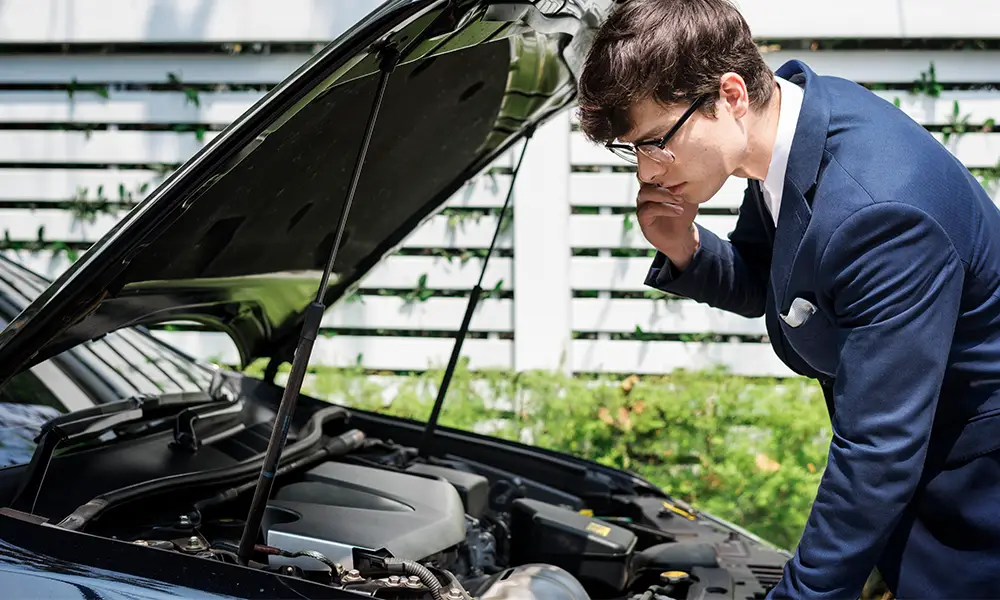
A holiday should be a time of relaxation and adventure, not stress and unexpected car troubles. Unfortunately, car breakdowns during trips are more common than most drivers expect. From long drives across regional Australia to weekend getaways, vehicles face a range of challenges that can turn a fun holiday into a stressful situation.
Understanding what to do when your car broke down on holiday. Not only does it keep you safe, but it can also prevent minor issues from becoming expensive problems.
In this guide, we share mechanics’ top recommendations for handling breakdowns, preventing them, and ensuring your holiday goes smoothly.
Common Reasons Cars Break Down on Holiday
Even well-maintained vehicles can run into trouble during extended trips. Mechanics often see the same issues repeatedly when drivers face a breakdown away from home. Knowing the likely causes can help you prepare:
- Engine overheating or failure: Long hours on highways or steep inclines can stress the engine, particularly if coolant levels are low.
- Dead battery or electrical issues: Leaving lights on, faulty alternators, or old batteries can leave you stranded.
- Flat tyres or punctures: Driving through rural areas or uneven terrain increases the risk of tyre damage.
- Running out of fuel or poor-quality fuel: Long stretches between service stations in regional areas can be problematic.
- Overloaded vehicles: Too much luggage or passengers can strain suspension, brakes, and the engine.
Being aware of these risks can help you spot potential problems before they lead to a breakdown.
Immediate Steps to Take When Your Car Breaks Down
If your car stops unexpectedly, safety is your top priority. Mechanics emphasise staying calm and following these steps:
- Move to a safe spot: Pull over to the shoulder or a safe area, away from traffic. Turn on your hazard lights.
- Stay in the car if it’s unsafe outside: On busy highways, it’s often safer to remain inside with seat belts fastened.
- Assess the situation: Check for visible issues like smoke, fluid leaks, or flat tyres.
- Call for help: Contact roadside assistance or a local mechanic if available. Many breakdowns can be resolved quickly with professional support.
- Use safety gear: Place a warning triangle behind the car if you have one, particularly on rural roads.
Taking these steps immediately can prevent accidents and ensure you remain safe while waiting for assistance.
DIY Troubleshooting Tips Mechanics Recommend
Sometimes, minor issues can be fixed on the spot without professional help. Mechanics recommend a few safe DIY checks for common problems:
- Battery: If your car won’t start, check the battery terminals for corrosion and ensure connections are tight. Jumper cables may allow a temporary restart.
- Tyres: Inspect for punctures, foreign objects, or deflation. If you have a spare and the right tools, a quick replacement may get you back on the road.
- Fluids: Check oil, coolant, and brake fluid levels. Low fluids can cause immediate problems, and topping them up might allow you to reach a service station.
- Electrical components: Fuses for lights, indicators, or dashboard functions can blow. Swapping a fuse is a simple fix if you know the correct rating.
While these solutions are helpful, never attempt a repair that could compromise your safety. If the problem is complex, professional help is essential.
When to Call a Professional Mechanic
Not every breakdown can be solved on your own. Mechanics emphasise calling for professional assistance in the following cases:
- Engine or transmission failure
- Severe electrical or fuel system issues
- Brake or suspension failure
- Multiple warning lights on the dashboard
Using emergency car repair services ensures your vehicle is assessed and fixed correctly.
How to Prevent Holiday Breakdowns
Prevention is always better than dealing with a breakdown mid-trip. Mechanics suggest a few simple strategies to reduce the likelihood of holiday car trouble:
- Book a holiday car service: A full inspection before long trips can identify worn parts or hidden issues.
- Check fluids and tyre pressure: Oil, coolant, and brake fluid should be at recommended levels, and tyres properly inflated.
- Inspect brakes and suspension: Worn brakes or shock absorbers increase risks during long drives, particularly on hilly or rural roads.
- Test battery and electrical systems: Ensure headlights, indicators, and dashboard functions are working correctly.
- Pack an emergency kit: Include jumper cables, a tyre repair kit, a flashlight, and basic tools.
A little preparation can save hours of stress and significant costs during your holiday.
Managing Costs and Emergency Repairs
A breakdown doesn’t have to ruin your trip, but being prepared for repair costs is important. Mechanics recommend:
- Understanding car repair costs: Minor issues like flat tyres or battery replacements are relatively inexpensive. Major repairs, however, can be costly, especially if towing is required.
- Check your coverage: Roadside assistance plans and car insurance policies may cover emergency car repairs, towing, or rental cars while your vehicle is fixed.
Planning for costs ensures you don’t face unpleasant financial surprises while on holiday.
Advanced Tips from Mechanics
Mechanics often provide additional advice for drivers travelling in remote or rural areas:
- Stay connected: Use apps or GPS to locate nearby mechanics or service stations.
- Know warning signs: Strange noises, vibrations, or warning lights should not be ignored.
- Drive conservatively: Overloading, aggressive acceleration, or excessive speed increases breakdown risk.
- Document your route: Share your itinerary with someone if travelling in isolated areas, so help can reach you quickly if needed.
These measures enhance safety and reduce the likelihood of a holiday being interrupted by car trouble.
Final Thoughts
A car breakdown on holiday can be stressful, but preparation and awareness make a huge difference.
Booking a holiday car service before a trip reduces risks, improves safety, and keeps your journey enjoyable.
If your car is overdue for inspection, schedule a professional check today to avoid emergency car repair situations and travel with peace of mind.
FAQs
How often should I have a holiday car service?
Mechanics recommend a full service before every long trip or at least once a year.
What should I do if my car breaks down in a remote area?
Stay safe, call roadside assistance, and wait in a secure location until help arrives.
Can minor issues like a flat tyre be fixed on the spot?
Yes, if you have a spare tyre and the right tools, but always prioritise safety.
How can I prevent my car from breaking down during holidays?
Book a full car inspection, check fluids, tyres, and brakes, and pack an emergency kit.
What is the main benefit of a holiday car service?
It identifies hidden problems before they become serious, ensuring safer, stress-free travel.


