
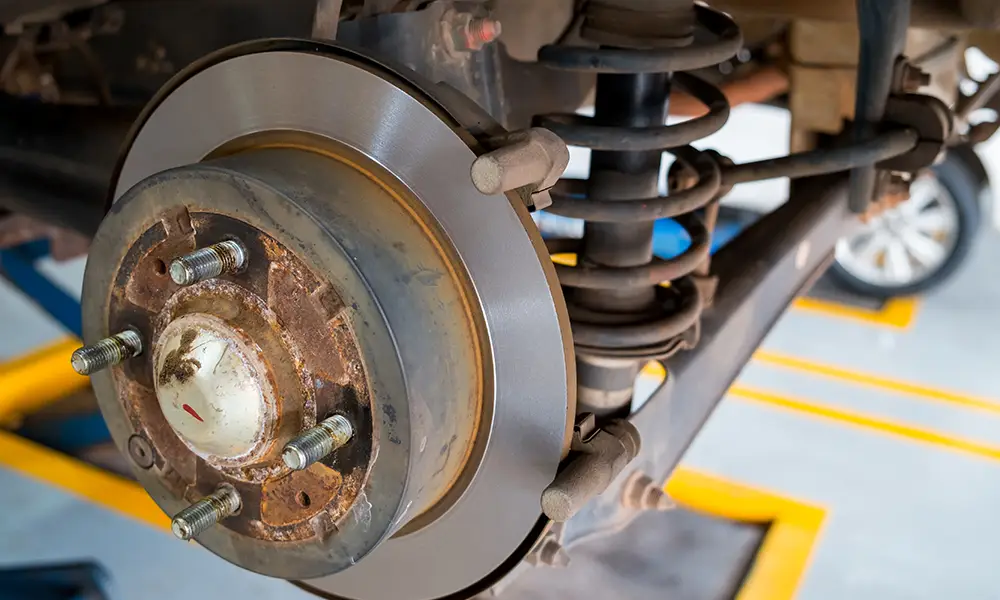
Have you ever driven along a seemingly normal road, only to feel your car bounce unnaturally every time you hit a bump? It’s more than just a minor annoyance, it’s a clear signal that your vehicle’s suspension might be struggling.
Understanding what’s happening beneath your car and how mechanics address these issues can save you from costly repairs and keep you safe on the road.
Why Your Car Bounces After Bumps
Your car’s suspension system is designed to absorb shocks from uneven roads, giving you a smooth and stable ride. When it’s functioning correctly, bumps and potholes barely disrupt your drive.
But if your vehicle starts bouncing excessively, it usually points to a suspension problem.
Common causes include:
- Worn shocks or struts: These components control how your car responds to road irregularities. Over time, they lose their damping ability, causing your car to continue bouncing after a bump.
- Damaged springs: Springs bear the weight of your vehicle and help maintain stability. Broken or sagging springs can lead to uneven bouncing.
- Loose or damaged suspension components: Bushings, control arms, and ball joints play a crucial role in stabilising your car. Wear or damage here can create excessive movement.
The longer these issues go unnoticed, the greater the risk of uneven tyre wear, steering problems, and even accidents.
The Risks of Ignoring a Bouncy Ride
A car that bounces excessively is more than uncomfortable; it’s unsafe. Here’s what you could face:
- Reduced control and stability: Every extra bounce affects your grip on the road, particularly when cornering or braking suddenly.
- Increased stopping distance: Your brakes are less effective if the suspension doesn’t keep the tyres firmly on the road.
- Uneven tyre wear: Tyres wear faster when the suspension fails to absorb shocks properly, leading to expensive replacements.
- Damage to other components: Driving on a worn suspension can strain the steering system, wheel bearings, and chassis.
If you notice your car bouncing after bumps, it’s a sign you shouldn’t ignore. Acting promptly can prevent these secondary problems from piling up.
How Mechanics Diagnose Suspension Problems
When you bring your car in, a mechanic follows a systematic approach to pinpoint the issue:
- Visual Inspection: Technicians look for leaks from shock absorbers, broken or sagging springs, and worn suspension components.
- Bounce Test: This simple test involves pressing down on each corner of the car and observing how it rebounds. Excessive movement indicates worn shocks.
- Road Test: Mechanics drive the car over various surfaces to assess ride comfort, handling, and noises that suggest suspension wear.
- Component Check: Using specialised tools, they check ball joints, control arms, and bushings for play or damage.
This thorough diagnosis ensures you only replace what’s necessary, avoiding unnecessary expenses.
Worn Shocks: The Most Common Culprit
Among all suspension components, worn shocks are the most frequent reason a car bounces after bumps. Shock absorbers dampen the up-and-down motion of your springs, keeping the tyres in contact with the road.
Signs that your shocks may be failing include:
- Car bounces more than usual after hitting bumps.
- Nose dives when braking.
- Leaning during turns or swaying on uneven roads.
- Unusual noises like clunking or rattling.
Replacing worn shocks not only restores ride comfort but also improves safety, braking performance, and tyre life.
Other Suspension Issues That Cause Bouncing
While shocks are often the first culprit, other suspension problems can contribute:
- Springs: Sagging or broken springs reduce the system’s ability to absorb shocks.
- Bushings: Worn rubber bushings can allow excessive movement in control arms and stabilisers.
- Ball joints & control arms: These connect the wheels to the suspension; wear can create instability and uneven bouncing.
- Wheel alignment issues: Misaligned wheels put uneven pressure on the suspension and tyres, worsening the bouncing effect.
Mechanics check all these areas during a suspension inspection to ensure the problem is fully resolved.
Why Prompt Repair Matters
Delaying suspension repairs might seem tempting, but it usually makes the problem worse. Here’s why acting fast is important:
- Safety first: Stable suspension keeps you in control and reduces the risk of accidents.
- Cost efficiency: Minor repairs, like replacing worn shocks or bushings, are far cheaper than fixing a damaged steering system or replacing tyres prematurely.
- Better ride quality: Your daily commute becomes smoother, reducing fatigue and stress.
- Preserve vehicle value: Well-maintained suspension contributes to long-term reliability and resale value.
Booking a repair as soon as you notice your car bouncing after bumps ensures you don’t compound the issue.
How Mechanics Fix Suspension Problems
Depending on the diagnosis, mechanics may carry out several repairs:
- Shock absorber replacement: Installing new shocks or struts is usually the primary solution.
- Spring replacement or adjustment: Sagging or broken springs are replaced to restore proper ride height.
- Bushings and control arm repair: Worn or damaged components are swapped out for new ones.
- Wheel alignment: After replacing parts, alignment ensures tyres sit correctly, improving handling.
- Full suspension overhaul: In older cars or severe cases, multiple components may be replaced to fully restore performance.
Mechanics aim to restore both comfort and safety, giving you confidence the car will handle bumps smoothly again.
DIY Checks You Can Do at Home
While professional inspection is essential, you can do some simple checks:
- Press down on each corner of your car and observe the rebound. More than one or two bounces indicates worn shocks.
- Look for visible leaks on shock absorbers.
- Check tyres for uneven wear.
- Listen for unusual clunks or rattles while driving.
Preventing Future Suspension Problems
Once your suspension is repaired, you can prolong its life by:
- Avoiding potholes and rough roads where possible.
- Reducing speed over speed bumps and uneven surfaces.
- Regularly checking tyre pressure and wheel alignment.
- Booking scheduled maintenance for suspension inspections, especially for older cars.
Regular attention keeps your ride smooth and prevents minor issues from turning into costly repairs.
Conclusion
A car that bounces excessively after bumps is more than a nuisance, it’s a sign that your suspension system needs attention. Worn shocks, damaged springs, or other faulty components can compromise your safety, tyre life, and ride quality.
By understanding the symptoms and taking action promptly, you not only restore comfort but also prevent expensive repairs down the line. Mechanics can pinpoint the exact cause, replace worn parts, and realign your car for a smooth, safe drive.
Don’t wait for a breakdown or accident. If your car bounces after bumps, book a professional suspension repair today. Your safety and comfort are worth it.
FAQs
How can I determine if my car has a suspension issue?
Signs include excessive bouncing, nose diving when braking, swaying in turns, and unusual noises from the wheels or chassis.
Are suspension repairs expensive?
Costs vary by car and component, but addressing worn shocks or springs early is far less expensive than ignoring the issue.
How long do shocks and struts last?
Typically, 50,000–100,000 miles, but wear depends on road conditions and driving style.
Will replacing shocks fix all bouncing issues?
Shocks often solve the problem, but other worn suspension components may also need attention. A full inspection ensures complete repair.
Can I replace shocks myself?
It’s possible for experienced DIYers, but professional repair ensures correct installation, safety, and alignment.


