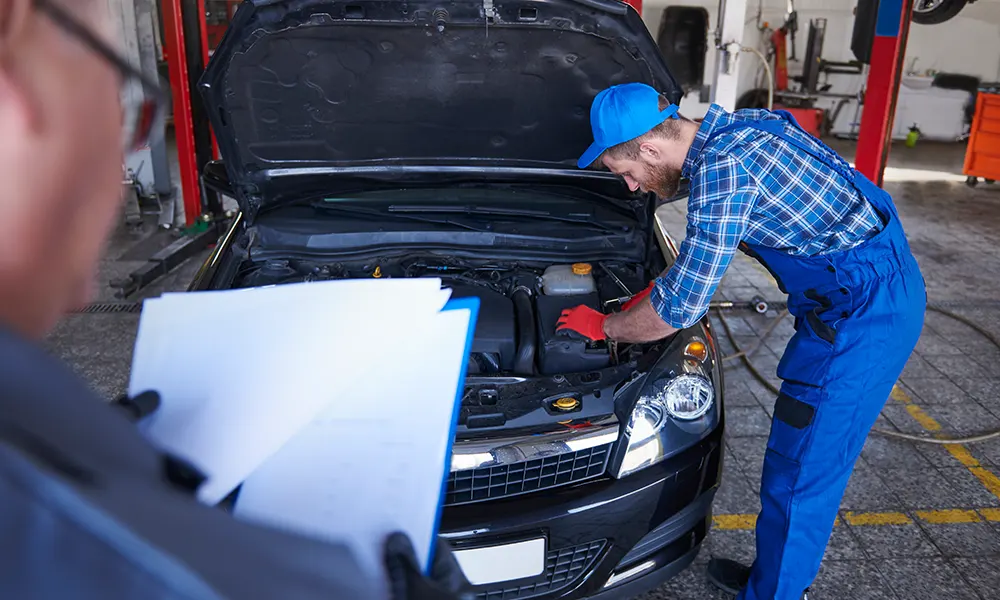
A full car inspection is the automotive equivalent of a health check: a systematic look at every major system to find problems before they find you.
This guide walks through exactly what a full car inspection covers, system by system, why each check matters, and when getting one is worth it.
Here is what we will cover:
- What a full car inspection covers
- Engine and drivetrain checks
- Brakes, suspension, steering and tyres
- Electrical and diagnostics
- The road test and report
- When to get a full inspection
What Does a Full Car Inspection Cover?
A full car inspection covers the engine and drivetrain, brakes, suspension and steering, tyres, electrical systems and fluids, plus a diagnostic scan and a road test, ending in a written report on the car’s overall condition.
It is the most thorough of the inspection types, combining a visual check, mechanical assessment, functional testing and a drive. The aim is a complete picture of the car’s condition rather than a quick once-over.
| System | Checked for | Why |
|---|---|---|
| Engine & drivetrain | Leaks, running, shifting | Costliest to fix |
| Brakes | Pads, rotors, fluid | Safety |
| Suspension & steering | Wear, play, alignment | Control, tyres |
| Tyres | Tread, age, wear | Safety, cost |
| Electrical | Lights, battery, faults | Reliability |
| Road test | Real-world behaviour | Hidden faults |
You can carry out a simpler version of this yourself before committing to a professional check, and our guide on how to inspect a used car yourself covers what a driveway inspection can reasonably cover.
How Thorough Is a Full Inspection?
A full inspection is visual, mechanical and functional, and it includes a road test. It goes well beyond a glance under the bonnet, assessing how each system actually performs rather than just how it looks.
Do You Get a Report?
Yes, a full inspection ends in a written condition report. You keep it, and it gives you a clear record of what was checked and found, which is useful for planning repairs or negotiating a purchase.
What Engine and Drivetrain Checks Are Included?
The engine and drivetrain checks in a full inspection cover oil and fluid condition, leaks, belts, how the engine runs, and how the transmission shifts, since these systems are the most expensive to repair if neglected.
Because the engine and transmission are the costliest parts to fix, they get close attention. This is where problems that turn into big bills tend to hide, so a careful look here is central to the whole inspection. Many of the same checks form part of routine general car servicing, which is why keeping up with servicing surfaces issues early.
What’s Checked on the Engine?
The engine is checked for oil and fluid condition, leaks, belt wear and how it runs, including idle and response. These are the signs that reveal whether it is healthy or heading toward a problem.
What About the Transmission?
The transmission is assessed on shift quality and fluid condition, whether automatic or manual. Smooth, clean shifting is a good sign, while hesitation or harshness points to wear worth investigating further.
What About Brakes, Suspension and Electrical?
A full inspection checks brake wear and fluid, suspension and steering components and alignment, tyre condition, and the electrical system including lights, battery and any stored fault codes from a diagnostic scan.
These are the safety-critical and reliability systems, and each is checked in turn. The car inspection checklist here covers the wear items that keep you safe and the electrics that keep you moving. A diagnostic scan reads any stored fault codes that a visual check alone would miss.
Brakes, Suspension, Tyres
Brakes, suspension and tyres are the safety-critical wear items, so they are inspected closely for wear, play and condition. Pads, rotors, shocks, steering components and tyre tread all factor into how safely the car stops and steers.
Electrical and Diagnostics
The electrical check covers lights, the battery and stored fault codes read during a scan. Modern cars log faults that never show on the dash, so pulling the codes is how hidden electrical issues come to light.
When Should You Get a Full Car Inspection?
You should get a full car inspection before buying a used car, before a long road trip, or periodically on an older car, because each is a point where hidden faults are most likely to cost you.
These are the moments when the value of a thorough check is highest. Before a purchase, our guide on what a pre-purchase inspection includes covers the buyer-specific angle in detail.
For owners rather than buyers, a full car health check focuses on the ongoing condition of a car you already own.
When you are ready to go ahead, you can book a vehicle inspection in Brisbane and get the written report to act on.
Before Buying or a Big Trip
Before buying a used car or setting off on a long trip are the highest-value time, because a hidden fault is expensive in both. An inspection at these points turns uncertainty into a clear picture before you commit.
On an Older Car
On an older car, a periodic full inspection provides reassurance and identifies wear before it leads to a breakdown. It is a sensible routine once a car is past its early years, when more systems are reaching the end of their life. The road test, in particular, reveals behaviour that a static check cannot.
Conclusion
A full inspection is a systematic look at every major system, and timing it before a purchase, a trip or as routine care is what makes it pay off. The written report is what turns all that checking into a plan you can act on.
If you want a thorough look at your car, the team at Car One Automotive can help.
Frequently Asked Questions
What Does a Full Car Inspection Cover?
The engine and drivetrain, brakes, suspension and steering, tyres, electrical systems and fluids, along with a diagnostic scan and a road test. It finishes with a written condition report, so you have a clear, documented picture of the car’s health and any work it needs.
How Long Does a Full Car Inspection Take?
Usually one to two hours, depending on the car and whether a road test and diagnostic scan are included. Older or more complex vehicles can take a little longer. You receive a written report at the end, so the findings are documented rather than just discussed.
Is a Full Inspection the Same as a Service?
No. An inspection assesses the car’s condition and reports on it, while a service carries out the actual maintenance such as oil and filter changes. They are complementary, and an inspection often flags work that a following service or repair then puts right.
When Should I Get a Full Car Inspection?
Before buying a used car, before a long road trip, or periodically on an older car. These are the points where hidden faults are most likely to catch you out and cost real money, so an inspection gives you the facts before you commit or set off.
Do I Get a Written Report?
Yes. A full inspection ends in a written report on the car’s condition, covering what is sound, what needs attention now, and what to keep an eye on. You keep that report and can use it to plan repairs, budget, or negotiate on a purchase.