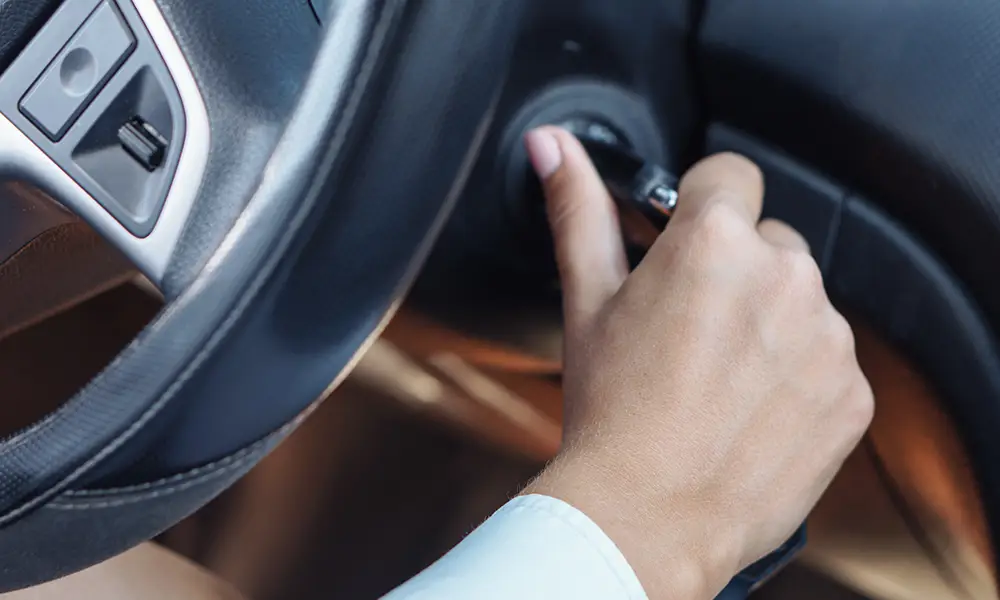
There is never a good morning for a car that will not start, and the cause can be anything from a five-minute fix to a tow to the workshop. The frustrating part is that it gave no warning the night before.
This guide walks through why a car won’t start in the morning, how to read the clues from the sound it makes, and which causes you can check yourself before calling a mechanic.
Here is what we will cover:
- What the starting sound tells you
- The most common cause, the battery
- Starter, alternator and fuel faults
- Safe checks you can do yourself
- When it is time to call a mechanic
Why Won’t My Car Start in the Morning?
A car that won’t start in the morning is most often caused by a flat or weak battery, especially after cold nights, followed by starter motor, alternator, fuel or ignition faults, and the sound it makes points to which.
The reason the battery tops the list is simple. It is the one part that has to do its hardest work first thing, turning a cold engine over before anything else can happen. A battery that was quietly on its way out will often manage during the day, then fail on the first cold morning when the demand is highest.
Why Are Mornings Worse?
Cold overnight temperatures reduce the amount of current a battery can deliver, and at the same time they thicken the engine oil, so the starter has to work harder to spin everything over. A healthy battery copes with both easily. A tired one that seemed fine yesterday suddenly does not have enough left to do the job.
What Does the Starting Sound Mean?
The noise the car makes when you turn the key is the single most useful clue you have. Rapid clicking, a single clunk, complete silence and healthy cranking that will not catch all point in different directions. Using that sound is the fastest way to tell a simple battery issue from something that needs a workshop.
| What you hear | Likely cause | First check |
|---|---|---|
| Rapid clicking | Flat battery | Lights/jump start |
| Single click, no crank | Starter motor | Battery then starter |
| Silence, no lights | Battery or connection | Terminals, battery |
| Cranks but won’t fire | Fuel or ignition | Fuel, spark, scan |
Is It the Battery or Something Else?
It is usually the battery if the dash lights are dim or dead and you hear rapid clicking, while strong lights with no crank point instead to the starter motor, and normal cranking that will not fire points to fuel or ignition.
If your car clicks but won’t start and the interior lights barely glow, the flat battery is almost always the culprit. If the lights are bright and everything electrical works but the engine will not turn, the battery is doing its job and attention shifts to the starter motor.
How Do I Test if It’s the Battery?
You can get a strong indication without any tools. Switch on the headlights: if they are dim or fade further when you turn the key, the battery is low. A successful jump start that gets the car going is another clear sign the battery or charging system is at fault. For certainty, a proper battery test measures whether it can still hold and deliver charge, which removes the guesswork.
What if the Battery’s Fine?
If the battery checks out and the car won’t start but has power, the fault sits further along. A single click with strong lights usually means the starter motor, while an engine that cranks normally but will not catch points to a fuel or ignition problem such as a failing fuel pump. If a warning light is showing, it helps to understand what a check engine light means, because the stored code narrows down whether the trouble is fuel, spark or something else before any parts are bought.
If the engine does fire but then runs rough rather than failing to start, that is a separate problem worth understanding, and it helps to know how a misfire is diagnosed so you can describe the symptom accurately and point the mechanic to the right cylinder faster when you book it in.
What Can I Check Myself Before Calling a Mechanic?
Before calling a mechanic you can safely check the battery terminals for corrosion or looseness, try the headlights to gauge battery strength, and attempt a jump start, which together rule the battery in or out.
These are the checks worth doing yourself, because they are safe, quick, and answer the biggest question first. If you are still wondering why won’t my car start after working through them, at least you will have narrowed it down and can describe the symptoms clearly when you call for help.
How to Check Battery Terminals Safely
Look at the two battery posts for a white or bluish powdery build-up, and give each clamp a gentle wiggle to check it is tight. Loose or corroded terminals can stop a perfectly good battery from doing its job. Keep metal tools clear of the terminals, avoid flames near the battery, and if anything looks damaged or leaking, stop and have it checked rather than pushing on.
When Is a Jump Start Enough?
A jump start is a diagnostic tool as much as a get-going fix. If the car starts and keeps running once the leads come off, that tells you the battery was flat and the immediate problem is the battery or the charging system, not the engine itself. If the battery went flat overnight for no clear reason, the underlying cause still needs finding before it strands you again.
When Should I Call a Mechanic?
You should call a mechanic when a jump start does not help, the car cranks but will not fire, or it keeps going flat, because these point to a starter, alternator, fuel or ignition fault that needs proper diagnosis.
At that stage, guessing gets expensive. Rather than replacing a battery, then a starter, then another part and hoping to get lucky, it is worth knowing what diagnostics cost so a technician can pinpoint the exact fault rather than charging you for parts the car may not need at all.
If you would rather not chase the fault down yourself, and would prefer certainty from the first visit, you can simply book a diagnostic check in Brisbane and have the cause confirmed properly the first time, which is usually cheaper than a run of trial-and-error part swaps.
Why Does My Battery Keep Going Flat?
A battery that keeps going flat is not usually a bad battery on its own. It points to a failing alternator that is not recharging it as you drive, or a parasitic drain from something staying powered when the car is off, such as a light or module. Both need testing to confirm. Staying on top of general car servicing helps here too, because a weak battery or an early charging fault is often picked up before it leaves you stranded.
What Will the Mechanic Check?
A methodical no-start diagnosis works through the charging system, the starter, the fuel supply and a scan for stored fault codes, in the order the symptoms suggest. That is exactly the kind of systematic checking our Brisbane mechanics do, so you pay to fix the fault that is really there rather than replacing parts on a hunch and hoping the problem disappears.
Conclusion
Most no-start mornings come down to the battery, particularly after a cold night, and a jump start or a battery test will usually tell you that within minutes. The point to remember is that a car which cranks without firing, or one that keeps going flat, is a different problem, and it needs proper diagnosis before it strands you again. Working through the sound, the lights and a jump start first means you can act on facts rather than guesses. If the fault is beyond a simple battery, have it checked by Car One Automotive.
Frequently Asked Questions
Why Won’t My Car Start in the Morning?
Most often a flat or weak battery, especially after cold nights when the battery is already tired. Beyond that, starter motor, alternator, fuel or ignition faults can be to blame. The sound the car makes when you turn the key helps point you to the likely cause.
My Car Clicks but Won’t Start, What Is It?
Rapid clicking usually means a flat or weak battery struggling to turn the engine over, while a single click with no crank often points to the starter motor itself. Trying the headlights and a jump start, or a proper battery test, will confirm which of the two it is.
Can a Flat Battery Fix Itself Overnight?
No. A battery that has gone flat will not meaningfully recover on its own overnight, even if it seems to turn the engine a little the next day. If it keeps going flat, the battery is likely near the end of its life or the charging system needs testing.
Is It Safe to Jump Start My Car?
Yes, if done correctly and following your handbook. If the car starts and stays running afterwards, treat it as a warning rather than a fix, and have the battery and charging system checked soon, because the underlying fault can easily return and leave you stranded again.
Why Does My Battery Keep Going Flat?
Often a failing alternator that is not charging the battery properly while you drive, or a parasitic drain from something staying powered when the car is off. Both flatten the battery repeatedly and both need a mechanic to test the charging system and measure the drain.