
A coolant leak is easy to ignore at first, just a sweet smell, a small puddle, a gauge creeping a little higher than usual, right up until it destroys an engine. A coolant leak left unchecked is genuinely one of the quietest ways a car can go from a cheap fix to a five figure repair.
This guide explains why ignoring a coolant leak can cost you big, the warning signs to catch it early, and what to do before a cheap repair becomes a new engine.
In the sections below you will find:
- Why a coolant leak is so dangerous
- The warning signs to catch early
- What causes coolant leaks
- What ignoring it can cost
- What to do about a coolant leak
Why Is A Coolant Leak So Dangerous?
A coolant leak is so dangerous because losing coolant lets the engine overheat, and an overheated engine can warp the cylinder head or crack the block, turning a minor hose or radiator repair into a major engine rebuild.
The danger here is really about escalation rather than the leak itself. A small coolant leak on its own rarely causes immediate harm, but the moment it progresses far enough to let the engine run hot, the damage can happen surprisingly quickly, sometimes within a single drive if the loss is significant enough.
| Caught | Repair | Relative cost |
|---|---|---|
| Early (hose/clamp) | Simple fix | Low |
| Radiator/pump | Component replace | Medium |
| After overheating | Head gasket | High |
| Severe overheat | Engine rebuild | Very high |
If you want to understand exactly how a cooling system is properly tested and repaired once a fault is found, our guide to how a cooling system is tested and fixed walks through that process in detail.
What Does Overheating Actually Damage?
Overheating primarily damages the cylinder head, which can warp under excessive heat, and in more severe cases the engine block itself, which can develop cracks that are extremely costly to repair.
How Fast Can It Escalate?
Faster than most owners expect. A single sustained overheating event, driving even a short distance with the temperature gauge running high, can be enough to cause lasting and expensive engine damage.
What Are The Warning Signs Of A Coolant Leak?
The warning signs of a coolant leak are a sweet smell, a coloured puddle under the car, the temperature gauge running high, white smoke from the exhaust, and needing to top up coolant regularly.
These signs tend to appear well before the situation becomes genuinely dangerous, which is exactly why learning to recognise them matters so much. Catching even one of them early is usually the difference between a straightforward, affordable repair and something considerably more serious down the track.
For a closer look at exactly how quickly an engine can move from a warning sign to genuine danger, our guide on how to tell if your engine is overheating is worth reading alongside this one.
What’s The Sweet Smell?
The sweet smell many drivers notice is coolant itself, and it is genuinely one of the earliest and most reliable signs that a leak has developed somewhere in the system.
Why Is Topping Up A Red Flag?
Regularly topping up coolant is a red flag because it masks an ongoing leak rather than fixing it, meaning the underlying fault continues to lose coolant and worsen quietly in the background.
What Causes Coolant Leaks?
Coolant leaks are caused by perished hoses, a corroded or cracked radiator, a failing water pump, a leaking heater core, or a head gasket fault, with the location and behaviour of the leak pointing to which.
Identifying the actual source matters considerably, since the fix, and the cost, varies enormously depending on which component is responsible. A leaking hose is a straightforward and inexpensive job, while a head gasket fault sits at the far more expensive and involved end of the same spectrum.
Some models are also known for particular leak points, and our guide to common coolant leaks on some models explores exactly this kind of model specific pattern in more detail.
Where Do Leaks Usually Start?
Leaks most often start at hoses and the radiator, since both are exposed to constant heat cycling and gradually degrade or corrode over the years of normal driving.
Can It Be Internal?
Yes, a head gasket fault can leak coolant internally without any visible puddle appearing under the car, which makes it considerably harder to spot without a proper diagnostic check.
What Should You Do About A Coolant Leak?
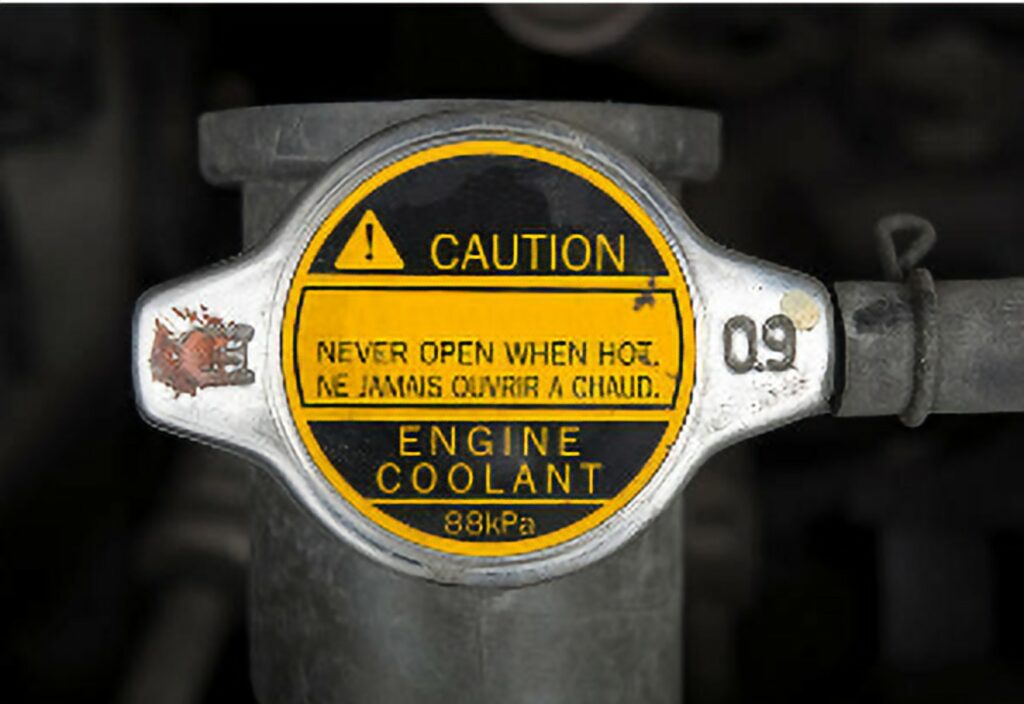
If you have a coolant leak you should stop driving if the temperature gauge is high, avoid removing the cap while hot, and have the system pressure tested to find the source before topping up becomes a habit that hides a worsening fault.
Acting promptly is genuinely the single biggest factor in how this situation plays out for your wallet. A coolant leak repair booked as soon as you notice the early signs is a world away, in both cost and stress, from dealing with the aftermath of a genuine overheating event.
A cooling system pressure test is the proper way to locate the source accurately before any repair begins, since guessing at the cause risks fixing the wrong component while the actual leak continues unaddressed.
When Must I Stop Driving?
You must stop driving if the temperature gauge climbs into the red zone, since continuing to drive at that point risks the kind of overheating damage this whole guide is warning against.
Why Not Just Keep Topping Up?
Continually topping up coolant simply hides a leak that is still steadily getting worse, delaying the inevitable repair while quietly increasing the risk of a sudden, serious overheating event.
Conclusion
A coolant leak is cheap to fix early and genuinely ruinous if ignored, and catching the warning signs is what stands between a simple hose clamp repair and a brand new engine. If you have noticed a sweet smell, a puddle, or a gauge running warmer than usual, do not wait for it to get worse. Car One Automotive can find the source and fix it properly before it costs you.
Frequently Asked Questions
Why Is A Coolant Leak So Dangerous?
Losing coolant lets the engine overheat, which can warp the cylinder head or crack the engine block entirely, turning what should have been a minor, affordable repair into a major and costly engine rebuild.
What Are The Warning Signs Of A Coolant Leak?
A sweet smell, a coloured puddle under the car, the temperature gauge running higher than usual, white smoke from the exhaust, and finding yourself needing to top up coolant more regularly than before.
What Causes Coolant Leaks?
Perished hoses, a corroded or cracked radiator, a failing water pump, a leaking heater core, or a head gasket fault. The exact location and behaviour of the leak generally points toward which one it is.
Is It Safe To Drive With A Coolant Leak?
No, not if the temperature gauge is running high. Stop, let the engine cool fully, never remove the cap while hot, and have the system properly pressure tested to locate the actual source.
What Does Ignoring A Coolant Leak Cost?
A cheap hose or radiator repair can escalate into a head gasket job or a full engine rebuild once overheating damages the engine internally, costing considerably more than addressing it early would have.