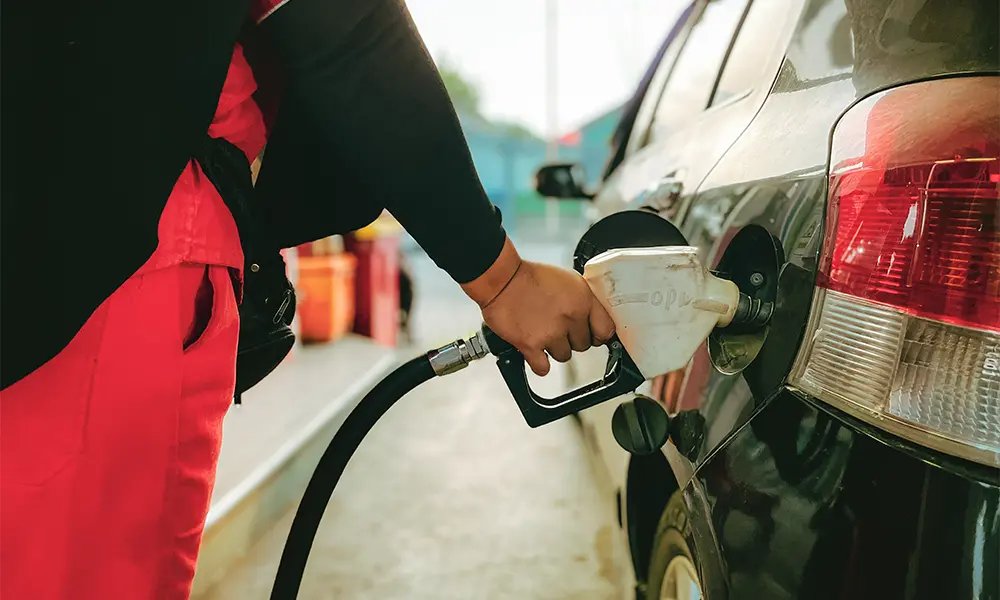
Imagine pulling away from the servo only to realise you’ve pumped the wrong fuel. Your stomach drops, and panic sets in. What happens when you put petrol in a diesel car?
The short answer, serious damage can occur if you don’t act fast. In this article, we’ll explain why misfuelling is dangerous, what symptoms to look for, and the exact steps you should take to avoid a massive repair bill.
Why Diesel and Petrol Don’t Mix
Diesel fuel acts as both a lubricant and energy source. Petrol, on the other hand, is a solvent that strips away lubrication.
When petrol enters a diesel system, it increases friction between metal components. This can cause rapid wear, overheating, and eventual engine failure.
What Happens When You Put Petrol in a Diesel Car?
If you’re wondering what happens when you put petrol in a diesel car, here’s what occurs:
- Loss of lubrication: Diesel pumps and injectors rely on lubrication to function. Petrol washes this away.
- Premature ignition: Petrol ignites at a lower temperature, which can cause knocking or misfiring.
- Component damage: Fuel pumps, injectors, and seals can seize or fail.
- Engine failure: Continued driving risks catastrophic breakdown.
Signs You’ve Misfuelled Your Diesel Car
Recognising symptoms quickly can save your engine. Common warning signs include:
- Difficulty starting the car.
- Excessive smoke from the exhaust.
- Loss of power or rough idling.
- Knocking or unusual engine sounds.
- Sudden stalling after refuelling.
If you notice any of these, stop driving immediately.
How Much Petrol Does It Take to Cause Damage?
Even a small amount of petrol in a diesel tank can cause harm.
- Less than 5%: Often manageable if topped up with diesel, but still risky.
- 5–20%: Significant risk of pump and injector damage.
- Over 20%: Extremely dangerous; immediate drain required.
Never assume “just a little bit” is safe; it isn’t.
What to Do Immediately After Misfuelling
Quick action is critical to limit damage. Follow these steps:
- Do not start the car: Turning the key circulates contaminated fuel.
- Inform the station staff: They may assist with safety protocols.
- Call for roadside assistance: Arrange for a fuel drain service.
- Tow to a mechanic: If fuel has already circulated, inspection is essential.
Delaying these steps can turn a repairable problem into a full engine replacement.
The Cost of Misfuelling Repairs
Repair costs vary depending on how much petrol entered the system and whether you drove the car.
- Fuel drain only: $300–$500.
- Injector and pump repair: $1,500–$4,000.
- Full engine replacement: $10,000 or more.
Knowing what happens when you put petrol in a diesel car should motivate you to act quickly before expenses skyrocket.
Can You Fix It Yourself?
DIY fuel draining is strongly discouraged. Modern diesel systems are complex and pressurised. Mishandling can cause injury or make the problem worse.
Always call a professional with the correct tools and safety equipment.
Preventing Misfuelling in the Future
Avoiding this mistake is easier than paying for repairs. Consider these preventative measures:
- Check pump labels carefully before filling.
- Fit a misfuelling prevention device to your filler neck.
- Stay focused, don’t pump fuel while distracted.
- Know your car’s cap colour (green for unleaded, black for diesel).
Simple habits prevent thousands in repair costs.
Petrol in Diesel vs Diesel in Petrol: Which Is Worse?
Both mistakes cause issues, but petrol in diesel is typically more severe.
Diesel in petrol causes poor combustion, smoke, and stalling, but petrol’s solvent effect on diesel components leads to rapid mechanical damage.
How Insurance Handles Misfuelling
Some comprehensive insurance policies cover misfuelling, but not all.
Check your product disclosure statement (PDS). If excluded, you’ll be responsible for repairs. Knowing this ahead of time helps avoid nasty surprises.
Long-Term Damage Risks
Even after draining, trace petrol can linger in injectors and pumps. This may shorten the lifespan of components.
Regular servicing and inspections after a misfuelling incident are essential to ensure no hidden damage remains.
Conclusion
So, what happens when you put petrol in a diesel car? The answer is simple: serious damage unless you act fast. Recognising the risks and taking immediate steps can save your engine and your wallet.
At Car One, we’ve seen how misfuelling devastates engines. That’s why we help Brisbane drivers with expert repairs, fuel system inspections, and preventative advice.
Call us today on (07) 3607 0215 to book servicing with us, Brisbane’s trusted automotive specialists.
FAQs
1. What happens when you put petrol in a diesel car?
The lack of lubrication causes severe damage to pumps, injectors, and eventually the engine.
2. Can I drive a short distance with petrol in my diesel car?
No. Even a few kilometres can cause thousands of dollars in damage.
3. How do I know if I’ve misfuelled?
If your car stalls or smokes after refuelling, or the pump handle colour didn’t match your fuel type, you may have misfuelled.
4. Will insurance cover misfuelling?
Some policies do, but many exclude it. Always check with your insurer.
5. How can I prevent misfuelling?
Stay alert when refuelling, double-check pump labels, and consider a misfuelling prevention device.