You love driving your car, but do you know what’s happening under the bonnet? If your engine is running rough or fuel economy is slipping, you might be ignoring a problem that could snowball into a costly repair.
Tuning your engine isn’t just for professional mechanics. With the right steps, even beginners can improve performance, extend vehicle life, and keep costs down.
In this guide, you’ll learn how to tune a car engine, and why knowing how to inspect a used car is equally important before investing in one.
Why Should You Tune Your Car Engine?
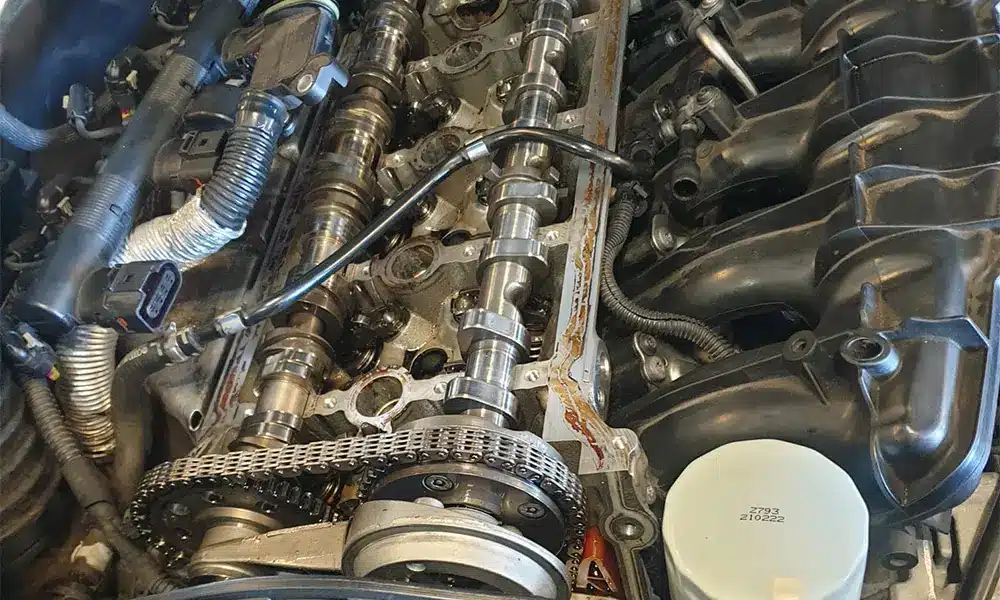
Tuning keeps your car healthy, fuel-efficient, and safe on the road. Regular adjustments ensure your vehicle delivers consistent performance and avoids breakdowns.
A properly tuned engine reduces emissions, protects major components, and extends the overall lifespan of your car.
How to Inspect a Used Car Before Tuning
Before diving into tuning, it’s essential to know the vehicle’s condition. Learning how to inspect a used car protects you from buying a problem disguised as a bargain.
Look for:
- Engine condition: Check for leaks, rust, or strange noises.
- Service history: Review logbooks for maintenance gaps.
- Test drive feedback: Feel for sluggish acceleration or rough idling.
These steps save you money by ensuring you only invest in cars worth tuning.
Tools You Need for a Basic Engine Tune
Even beginners can manage a simple tune-up with the right tools. Basic items include:
- A socket set for spark plug removal.
- Screwdrivers for adjusting idle and air filters.
- A timing light for ignition adjustments.
- A diagnostic scanner to read error codes.
Having the right equipment makes the process smoother and more accurate.
Step 1: Replace or Clean Spark Plugs
Spark plugs ignite fuel in your engine. Dirty or worn plugs cause misfires and poor fuel economy.
Replacing them is simple, inexpensive, and one of the most effective tuning steps you can take.
Step 2: Check and Replace Air Filters
Engines need oxygen to burn fuel efficiently. A clogged air filter suffocates performance.
Inspect the filter regularly, clean it if reusable, or replace it for optimal airflow.
Step 3: Adjust Idle Speed
If your car shakes or stalls when idling, it may need adjustment. Use your vehicle manual as a guide to reset idle speed to manufacturer’s recommendations.
A stable idle improves driving comfort and prevents stalling at intersections.
Step 4: Inspect and Replace Fuel Filters
Fuel filters keep dirt out of your system. Over time, blockages reduce flow, leading to weak acceleration.
Changing your filter restores proper fuel delivery and engine response.
Step 5: Test the Ignition Timing
Ignition timing determines when sparks ignite fuel. Incorrect timing reduces power and damages components.
A timing light helps you check alignment with manufacturer specifications. If unsure, let a professional mechanic handle it.
Step 6: Monitor Fluid Levels
Fluids act as the lifeblood of your engine. Always check:
- Engine oil for lubrication.
- Coolant for temperature control.
- Brake fluid for safety.
Low or dirty fluids cause catastrophic damage if ignored.
Step 7: Run a Diagnostic Check
Modern cars feature onboard computers. A scan tool reads codes that reveal hidden problems.
This quick test ensures you catch issues early instead of waiting for a breakdown.
Common Mistakes Beginners Make When Tuning
Even with the right steps, avoid these pitfalls:
- Ignoring warning lights.
- Using low-quality replacement parts.
- Skipping basic inspections before tuning.
A rushed tune-up can cost more than it saves.
How Regular Tuning Extends Car Life
A tuned engine runs cooler, smoother, and longer. You’ll notice better fuel efficiency and fewer trips to the mechanic.
Think of tuning as preventive care, like visiting a doctor before symptoms worsen.
Why Knowing How to Inspect a Used Car Matters
Imagine buying a second-hand car and discovering hidden problems weeks later. Learning how to inspect a used car before purchase gives you peace of mind.
You’ll avoid being stuck with an unreliable vehicle and unexpected repair bills.
When to Call a Professional
Some tuning tasks are best left to professionals, especially if they involve computer reprogramming, advanced diagnostics, or major repairs.
Car One provides expert servicing for European vehicles, ensuring precise tuning without the guesswork.
Your Trusted Partner for Car Engine Tuning
So, how to tune a car engine as a beginner? Start with spark plugs, air filters, and fluid checks. Pair that knowledge with learning how to inspect a used car, and you’ll avoid costly mistakes.
At Car One, we make engine care simple. Our expert mechanics deliver precise, professional servicing designed for performance and safety.
We help Brisbane drivers protect their investment and keep their cars running at peak condition.
Call us today on (07) 3607 0215, or schedule your appointment with Brisbane’s leading automotive specialists.
FAQs
1. Can beginners really tune a car engine?
Yes, with basic tools and guidance, beginners can perform simple tune-ups.
2. How often should I tune my car?
Most cars benefit from a tune-up every 10,000–15,000 km or annually.
3. What is the easiest part of a tune-up for beginners?
Replacing spark plugs and air filters are simple and effective.
4. Why is it important to inspect a used car before tuning?
Knowing how to inspect a used car ensures you’re not fixing a vehicle with deeper issues.
5. Can Car One help with professional engine tuning?
Yes, Car One specialises in advanced tuning and diagnostics for European cars in Brisbane.