With a European car, the difference between a small annual outlay and a five-figure repair often comes down to whether a problem was caught early. These cars are beautifully engineered, yet the same complexity that makes them a pleasure to drive can turn a neglected fault into a very expensive one. An annual European car check-up is the simplest way to stay ahead of that risk, giving you a clear picture of the car’s health once a year and the chance to fix small things while they are still small.
This guide explains how a yearly check saves you thousands, what it covers, the faults it catches before they escalate, and why the specialist eye is what makes it pay. In short, you will learn:
- What an annual European check covers
- The costly faults it catches early
- Why prevention beats a big repair
- The value of a specialist eye
- When to book it
What Does an Annual European Car Check-Up Cover?
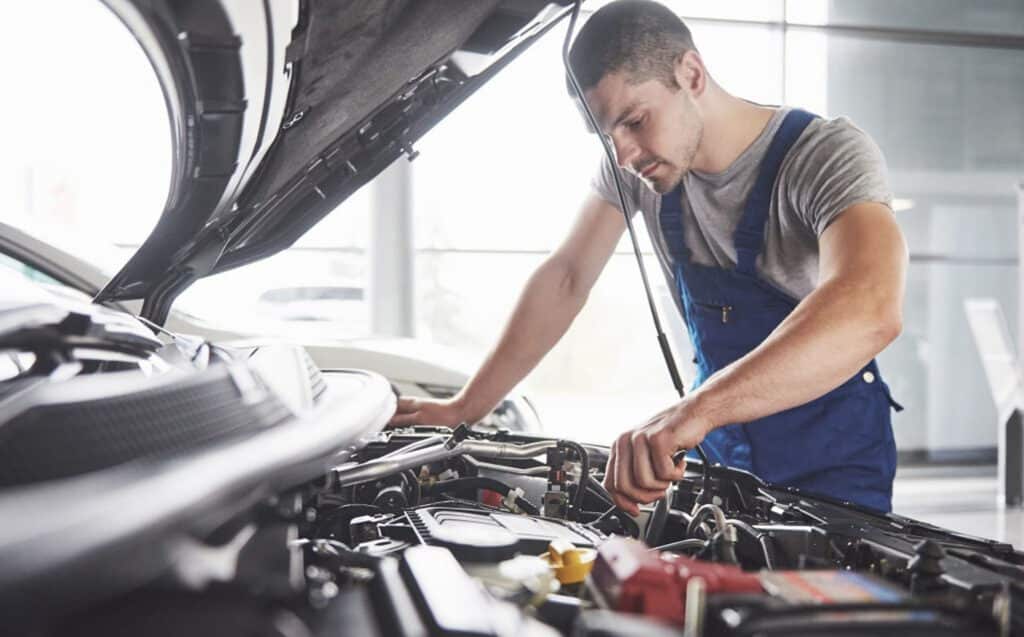
An annual European car check-up covers the engine and fluids, oil and coolant leaks, brakes and suspension, tyres, and a diagnostic scan of the car’s electronic systems, giving a full picture of the car’s health once a year. Rather than waiting for a warning light or a strange noise, it looks across the whole vehicle in one visit and flags anything that is starting to wear or drift out of specification.
The value of an annual car check lies in how much ground it covers in a single appointment. A good inspection will examine the engine bay for developing oil and coolant leaks, assess the brakes and suspension for wear, look over the tyres for age and condition, and read the electronic control units for stored fault codes.
Because so much of a modern European car is managed electronically, that scan is often where the earliest clues appear. If you want the fuller version of this mindset, our guide on keeping a European car running like new explains how consistent care protects performance and value over the long run, and why it starts with getting the fundamentals right every time.
Booking the annual check with a workshop that knows the marque makes a real difference to what gets found, which is exactly what dedicated European car specialists are set up to do. They combine a thorough physical inspection with model-specific knowledge, so the report you receive reflects the parts of your car that actually tend to give trouble rather than a generic checklist.
Is It the Same as a Service?
No, an annual check-up is not the same as a service, although the two work well together. A service performs the scheduled maintenance your car is due for, such as an oil change and filter replacement, while the check focuses on assessing condition and catching faults early. Many owners have the check carried out at the same time as a service so any issues found can be dealt with in one visit.
Does It Include a Scan?
Yes, a proper European check includes a diagnostic scan, and for these cars it is essential rather than optional. The scan reads the engine and other control modules for stored and pending fault codes, which can reveal a developing electronic problem long before it shows up as a warning light. If a code points to something worth investigating, a European diagnostic check can dig deeper and confirm the cause before any parts are replaced, so you are never paying to change components on a guess.
| Area | Checked for | Why it matters |
|---|---|---|
| Engine & fluids | Leaks, condition | Catch wear early |
| Electronics | Fault codes | Euro-specific issues |
| Brakes & suspension | Wear | Safety, big-ticket items |
| Tyres | Wear, age | Safety, cost |
What Costly Faults Does It Catch Early?
An annual check catches costly faults early, such as developing oil and coolant leaks, worn suspension components, brake wear, and electronic faults, all of which are far cheaper to fix when small than after they cause damage. That is the whole point of a thorough European car inspection: to surface these problems while they are still minor and inexpensive to correct.
Take a small coolant leak as an example. Caught at the check, it might be a hose or a clamp. Left alone, the same leak can lead to overheating and a far larger engine repair. Worn suspension bushes, a brake pad reaching the end of its life, or a sensor beginning to fail all follow the same logic. Many owners assume European cars are simply expensive to run, but a good deal of that reputation comes from deferred faults, a theme explored in our honest look at whether European cars are expensive to maintain, where deferred repairs, rather than the badge itself, drive a large share of the running costs that owners so often complain about.
The annual check also complements your ordinary upkeep rather than replacing any of it. If you already keep on top of general car servicing, the health check adds a layer of early detection on top, so problems are spotted between services rather than at the point of failure.
Which Faults Escalate Fastest?
Leaks and cooling issues tend to escalate fastest on a European car. A coolant or oil leak that seems minor can quickly become an overheating event or oil starvation, both of which risk serious engine damage. Electronic faults can also spread if left, as one failing component confuses the systems that depend on it, so early detection matters most with these.
How Much Can Early Detection Save?
Early detection often saves thousands rather than hundreds. The gap between replacing a worn part and rebuilding the assembly it damaged is usually large, and on a European car the parts and labour premium widens that gap further. Spending a modest amount once a year to find these faults early is what turns a potential major bill into a small planned one.
Why Does Prevention Beat a Big Repair?
Prevention beats a big repair because catching a leak, a worn part, or an electronic fault early turns a modest planned cost into a fixed problem, instead of the compounded damage and premium parts bill that comes from leaving it. The maths is simple once you see how faults compound: one neglected issue rarely stays contained, and the longer it runs, the more it takes with it.
A European car health check is really a way of controlling that chain reaction before it starts. A worn part left in place puts extra strain on the parts around it, so what began as one repair becomes three. By contrast, an annual check keeps the car in a known, cared-for state, which is both cheaper to maintain and far less likely to strand you at the worst moment. This is preventative maintenance at its most valuable, quietly saving money you never see leave your account.
What Does Leaving a Fault Cost?
Leaving a fault usually costs far more than fixing it, because the damage compounds. A minor oil leak can foul other components, an untreated cooling problem can warp the engine, and a small electronic fault can cascade into related systems. Each of these turns a contained repair into a much larger and more expensive one over time.
Is the Check Good Value?
Yes, an annual check is good value, and for most owners it pays for itself many times over. The cost of the check is small next to the repairs it helps you avoid, and even a single fault caught early can cover the price of years of checks. For a European car especially, that ratio makes the annual health check some of the cheapest insurance you can buy.
Why Does the Specialist Eye Matter?
The specialist eye matters because a European specialist knows each model’s known weak points and can read its systems with the right software, spotting developing issues a general workshop would not think to check. Two cars can pass the same visual once-over, yet the specialist knows precisely where a given model tends to leak, wear, or throw faults, and looks there first.
That knowledge changes what the check finds. A generalist may confirm the obvious, but a specialist interprets the small signs in the context of the model in front of them, so the report is genuinely predictive rather than a simple tick-box. It is the same reasoning behind our expert tips for European luxury vehicles, where model-specific care makes all the difference to reliability and to the value the car holds when you eventually come to sell it.
What Does a Specialist Look For?
A specialist looks for the known weak points of your particular model, alongside the fault codes and live data the car reports. That might mean a common leak location, a suspension component that wears early, or a sensor that tends to fail on that engine. Checking these proactively is how the expensive surprises are avoided year after year.
When Should I Book the Check?
You should book the check yearly, and ideally just before a service is due. That way, anything found can be addressed together in one visit, and you head into the year with a clear picture of the car’s condition. If it has been more than twelve months, or you have never had a full health check, now is a sensible time.
Conclusion
An annual European car check-up is cheap insurance that turns expensive surprises into small, planned fixes. It looks across the whole car once a year, catches the leaks, wear, and electronic faults that would otherwise compound, and gives you the chance to act while repairs are still minor. Above all, it is the specialist’s eye, the knowledge of exactly where your model tends to struggle, that makes the check worth having. Prevention really does beat a big repair, and on a European car the difference is measured in thousands. To book yours with a team that knows the marque, talk to Car One Automotive.
Frequently Asked Questions
What Does an Annual European Car Check-Up Cover?
It covers the engine and fluids, oil and coolant leaks, brakes and suspension, and the tyres, along with a diagnostic scan of the electronic systems. Together these give a full yearly picture of the car’s health and flag anything starting to wear.
How Does an Annual Check Save Money?
It catches developing leaks, worn parts, and electronic faults early, turning a modest planned cost into a fixed problem rather than a compounded, expensive repair. On a European car, finding a fault before it damages other components is where the real savings come from.
Is an Annual Check the Same as a Service?
No, the two are different but complementary. A service performs the scheduled maintenance your car is due for, such as an oil change, while the check focuses on assessing condition and catching faults early. Many owners sensibly book both at the same time.
Why Use a Specialist for a European Check?
A specialist knows each model’s known weak points and reads its systems with the correct software, spotting developing issues a general workshop might miss. That model-specific knowledge makes the check genuinely predictive, so the faults that matter most on your car are found first.
When Should I Book a European Car Check-Up?
Book it yearly, and ideally just before a service is due, so any faults found can be addressed together in one visit. You then head into the year with a clear picture of the car’s condition and no unwelcome surprises waiting.