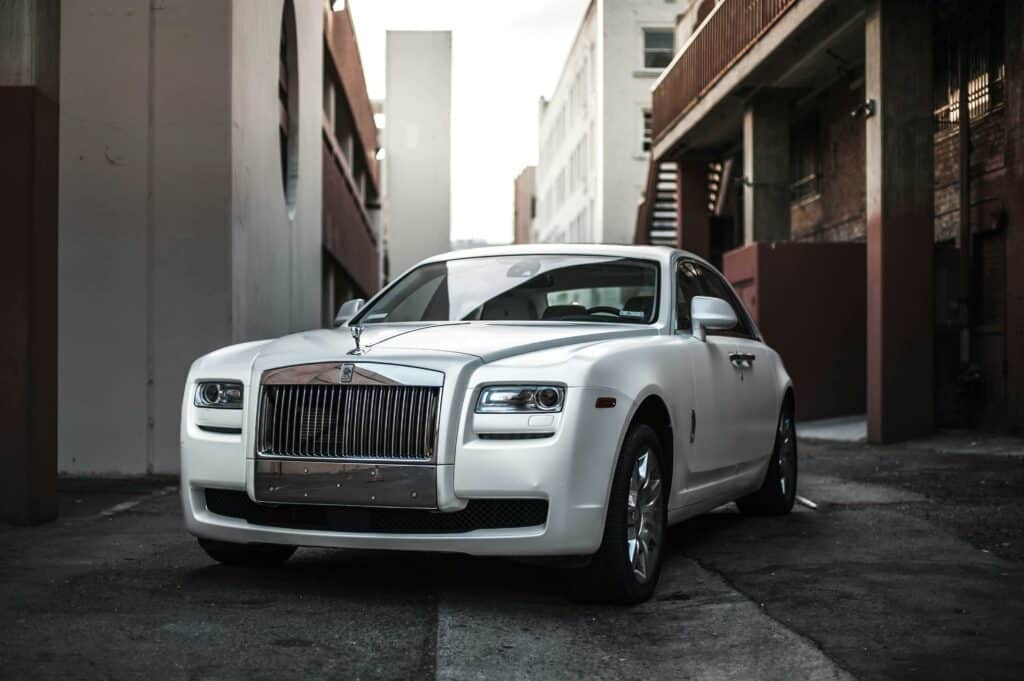
A flagship European sedan or SUV a few years old can look like remarkable value, with a used price that seems to put luxury within easy reach.
This guide explains why flagship European cars might not be the best choice once you factor in running costs, and how to think about total cost of ownership before that low purchase price tempts you in. It is an honest look, not a warning to avoid European cars, which can be superb when you pick the right one.
Here is what we cover:
- Why flagship models look like a bargain
- The running costs that catch owners out
- Total cost of ownership, not just purchase price
- The smarter European choices
- How to buy well if you still want one
Why might a flagship European car not be the best choice?
A flagship European car might not be the best choice because its steep depreciation makes it cheap to buy used but expensive to run, since the complex technology and premium parts that justified the original price now cost the owner in maintenance and repairs.
This is the trap in a nutshell. The features that made the car a six-figure purchase when new, the advanced electronics, the performance drivetrain, the luxury systems, do not get any cheaper to maintain just because the sticker price has fallen. So you buy at a bargain and then pay luxury-level running costs, which is where many owners get caught out. The table below shows how the numbers shift across the ownership journey.
| Stage | Flagship model | Consideration |
|---|---|---|
| Purchase used | Low vs original | Tempting entry price |
| Servicing | High | Premium parts/labour |
| Repairs | High | Complex systems |
| Parts | Costly, sometimes slow | Availability varies |
| Total ownership | Often high | Beyond the sticker |
Why are they cheap to buy used?
Heavy depreciation. Flagship models lose value quickly, so a few years on they sit at a fraction of their original price, which is what makes them look like such good buys.
Why does that become a trap?
Because running costs stay at luxury levels. The cheap purchase price does not carry over to servicing, repairs or parts, so ownership can cost far more than the entry price suggests.
What running costs catch flagship owners out?
The running costs that catch flagship owners out are premium servicing, expensive repairs to complex electronics and air suspension, costly tyres and brakes, and parts that are dearer and sometimes slower to source than mainstream cars.
Servicing alone is dearer because the parts and labour are premium, and that is before anything goes wrong. When it does, the complex systems that make these cars special, such as air suspension and advanced electronics, are exactly the parts that cost the most to fix, which our guide on whether European cars are expensive to maintain explores in detail.
One way to keep those costs predictable is to stay on schedule with warranty-safe logbook servicing rather than deferring work until it becomes a larger repair, since prevention is almost always cheaper on these cars.
Using a workshop that knows the marque also helps, so it is worth having European car specialists look after the car, because the right tools and knowledge mean faults are diagnosed correctly rather than expensively guessed at.
Which systems cost the most?
Electronics, air suspension and the drivetrain. These are the advanced systems that make a flagship special, and they are the ones that hurt most when they need repair out of warranty.
Are consumables dearer too?
Yes. Tyres and brakes on large, heavy, high-performance models are bigger and more expensive than on mainstream cars, so even routine consumables cost more to replace.
How should you think about total cost of ownership?
You should think about total cost of ownership by adding expected servicing, repairs, tyres, insurance and depreciation to the purchase price, because a higher-priced but simpler car can cost less to own over a few years than a cheap flagship.
Purchase price is only the first number. Once you add up servicing, likely repairs, tyres, insurance and further depreciation, the picture often looks very different from the bargain it seemed at first. This is why total cost of ownership, rather than the sticker, is the figure that actually matters, and why a dearer but simpler and more reliable car can quietly be the cheaper one to keep.
What goes into total cost?
Servicing, repairs, tyres, insurance and depreciation, all added to the purchase price. Together these give the real cost of running the car over the years you own it.
Can a dearer car be cheaper to own?
Yes, if it is simpler and more reliable. Lower running costs and steadier depreciation can more than offset a higher purchase price over a few years of ownership.
What are the smarter European choices?
The smarter European choices are often the well-maintained mid-range models with simpler specifications and good parts availability, which deliver much of the European driving experience without the flagship’s running-cost penalty.
You do not have to give up the European feel to sidestep the flagship trap. A mid-range model with a sensible specification, good parts supply and a solid history gives you much of the driving pleasure at a fraction of the running cost, and our guide to European cars to think twice about helps you sort the sensible buys from the expensive ones.
Whatever you settle on, have the specific car checked before you commit, because a bad example of a good model is still a bad buy, so it makes sense to book a pre-purchase inspection and buy with your eyes open rather than on hope.
What makes a model smarter to own?
A simpler specification, good parts availability and a strong service history. Together these keep running costs sensible while still giving you a genuinely enjoyable European car.
Should I still get an inspection?
Yes, always. A pre-purchase inspection reveals the expensive faults these cars can hide, and our guide to what a pre-purchase inspection includes shows how much ground it covers.
Conclusion
The flagship’s low used price often hides a high running cost, and weighing up total cost of ownership rather than the sticker points many buyers toward a smarter European choice. Pick a sensible model with a strong history and you get the European experience without the ownership surprise. When you are choosing, Car One Automotive can help you weigh it up and inspect the car before you buy.
Frequently Asked Questions
Why might a flagship European car not be the best choice?
Its steep depreciation makes it cheap to buy used but expensive to run, because the complex technology and premium parts now cost the owner in maintenance and repairs.
What running costs catch flagship owners out?
Premium servicing, expensive repairs to complex electronics and air suspension, costly tyres and brakes, and parts that are dearer and sometimes slower to source.
Is a cheaper flagship better value than a dearer simple car?
Not always. Over a few years, a higher-priced but simpler and more reliable car can cost less to own once running costs are included.
What are smarter European car choices?
Often well-maintained mid-range models with simpler specifications and good parts availability, which give much of the experience without the flagship running costs.
Should I still get a flagship European car inspected?
Yes, always. A pre-purchase inspection from a specialist reveals the expensive faults these models can hide before you commit.